Last updated November 18, 2026



Free written scope consultation - allowances, timeline, and change-order rules on paper before a single trade is scheduled
DIY vs Professional Construction: The Orange Homeowner’s Decision Guide
Most homeowners in Orange think the DIY-versus-pro question is about skill. It isn’t. The real dividing line is what happens after the work is finished: whether the permit was pulled, whether the manufacturer warranty survives, and whether you can cleanly sell the house later. California is among the states where a seller must disclose unpermitted improvements, and in Orange’s active resale market a buyer’s appraiser can flag work that was never signed off, sometimes in the final week of escrow. This guide walks through which projects are safely DIY, which are legally off-limits to homeowners, and how to decide before you swing a hammer. We cover the decision matrix, the HOA reality in Orange’s tract neighborhoods, and where a licensed contractor is the only sensible path.
Quick Answer
Painting, minor landscaping, and swapping non-structural fixtures like faucets or a ceiling fan are generally safe DIY projects in Orange with no permit exposure. Anything involving electrical panel work, gas lines, structural changes, roofing, windows, or a new driveway requires a licensed contractor under California law, and doing it yourself can void manufacturer warranties and create a resale disclosure problem. When the scope touches the building envelope, the structure, or a permit, hire a licensed professional. When it’s cosmetic and reversible, DIY is fine.
Styles & brands we work with
- Kitchen remodeling
- Bathroom remodeling
- Home additions & ADU
- Roofing
- Windows & doors
- Driveway & pavers
- Fence
Table of Contents
- Why Permit Exposure Is the Real Dividing Line in Orange
- Projects in Orange That Are Genuinely DIY-Friendly
- Work California Law Reserves for Licensed Contractors
- How DIY Voidss Roofing, Window, and Flooring Warranties
- HOA Enforcement in Orange’s Tract Neighborhoods
- The Decision Matrix: 10 Common Orange Projects
- The Resale Disclosure Risk Nobody Warns You About
- The Hybrid Approach: Where DIY and Pro Meet
Why Permit Exposure Is the Real Dividing Line in Orange
Permits are the paper trail that separates a home improvement from a liability. When a city issues a permit, an inspector signs off that the work meets code. That signature is what a future buyer’s lender, appraiser, and title company rely on. Without it, the work exists physically but not legally, and that gap surfaces at the worst possible time.
In Orange, the projects that most often trip homeowners are the ones that feel routine. Replacing a water heater, adding an outlet, building a fence over a certain height, or resurfacing a driveway all carry permit thresholds that vary by scope. The city’s building department is the authority on what needs a permit for your specific address, and a quick call there before you start saves months of headache later.
Here’s the pattern we see: a homeowner completes a project over a few weekends, feels proud of the result, and forgets about it until a sale or refinance. That’s when the unpermitted work becomes visible. Lenders can require the work be permitted retroactively, or worse, removed. The cost of pulling the permit up front is a fraction of the cost of resolving it after the fact.
For any project that touches the building envelope or the structure, the permit question should be answered before a single material is ordered. If you’re unsure, ask. It’s the cheapest part of the job.
Projects in Orange That Are Genuinely DIY-Friendly
Some work is well within reach for a careful homeowner, and hiring out for it is a waste of money. The test is simple: no permit, no structural change, fully reversible, and no manufacturer warranty that depends on licensed installation.
These projects are typically safe to handle yourself in Orange:
- Interior painting. No permit, no structural impact, and the only risk is a messy edge. Prep work matters more than technique.
- Minor landscaping. Planting, mulching, and reseeding beds are fine. Installing irrigation lines or retaining walls over a certain height is where permits enter the picture.
- Swapping non-structural fixtures. Replacing a faucet, showerhead, toilet, or a light fixture on an existing circuit is usually straightforward. Anything that requires new wiring or moving a supply line is not.
- Cosmetic updates. New cabinet hardware, a fresh coat of stain on a fence, or replacing a door handle are all reversible and permit-free.
- Pressure washing and cleaning. Driveways, siding, and patios benefit from regular cleaning. Just mind the pressure setting on older surfaces.
What these share is that a mistake is annoying, not dangerous, and doesn’t create a legal liability. If your project fails any of those tests, read on.
The flip side is that even “safe” projects can go wrong. Painting over failing siding hides a problem instead of fixing it, and a toilet swap on a corroded flange turns into a leak. Knowing when to stop and call is its own skill.
Work California Law Reserves for Licensed Contractors
California law is specific: certain work must be done by a licensed contractor, regardless of how capable the homeowner is. This isn’t a suggestion. It’s a legal boundary tied to safety and to the state’s contractor licensing framework.
The categories that require a licensed contractor include:
- Electrical panel work. Panel upgrades, new circuits, and service changes are dangerous and tightly regulated. A mistake here is a fire risk, full stop.
- Gas line work. Any modification to gas piping, including running a line for a new appliance, must be done by a licensed professional and inspected.
- Structural modifications. Removing a wall, cutting a beam, or changing load paths requires engineering and permits. This is not a weekend project.
- Roofing and re-roofing. A roof is a code-governed system with a permit requirement and an inspection at completion.
- Window and door replacement. Anything that changes the opening, affects egress, or touches the building envelope needs a permit and a licensed installer.
The common thread is risk to life and property. Electrical and gas work can kill. Structural work can collapse. A roof or window installation done wrong leads to water intrusion and mold. These are the projects where the DIY question shouldn’t even come up.
Our technicians have up to 12 years of experience across these trades, and we’ve seen what happens when a homeowner tries to shortcut one of them. The results are rarely worth the savings.
How DIY Voids Roofing, Window, and Flooring Warranties
This is the consequence most homeowners never consider, and it’s often the most expensive one. Manufacturer warranties on major building products almost always require installation by a licensed or manufacturer-authorized contractor. Do the work yourself, and the warranty can be voided before the material is even fastened down.
Roofing is the clearest example. Shingle systems from brands like GAF, Owens Corning, and CertainTeed come with material warranties tied to proper, professional installation. The warranty doesn’t just cover the shingle; it covers the system. If a homeowner installs it and a leak develops at a flashing detail two years later, the manufacturer can deny the claim on the grounds that the installation wasn’t done by an approved installer.
Windows and doors follow the same logic. Products like Therma-Tru entry doors and impact-rated windows from ViewLux carry performance warranties that assume the opening was prepped, flashed, and sealed to spec. A poorly installed window voids the warranty and invites water damage at the same time.
Flooring, cabinetry, and countertops are no different. The brand’s warranty is a contract between the manufacturer and a qualified installer, not between the manufacturer and whoever happens to own the house.
The takeaway: if the material carries a warranty you’d want to use, let a licensed contractor install it. The brand’s spec and our crew’s installation are what keep that warranty valid.
HOA Enforcement in Orange’s Tract Neighborhoods
Many of Orange’s residential neighborhoods are governed by HOAs, and those associations have their own rules that run parallel to city code. A project can clear the city permitting process and still get you a violation letter, a fine, or a mandatory reversal order from your HOA.
Exterior projects are where HOAs are most active. Fence height, color, and material, driveway finishes, paint color, roof material, and window style are all commonly regulated. Before you order materials, pull out your CC&Rs and check the architectural review process. Many associations require approval before work begins, and retroactive approval is harder to get.
The reversal-order risk is real. An HOA can require you to undo work you’ve already paid for if it wasn’t approved in advance. That’s a double cost: the original project plus the correction. A little homework on the front end prevents it.
For boundary work like fencing, the rules stack up: city permit thresholds, HOA design standards, and property line accuracy all matter. This is one reason we treat fence installation as a real trade with its own compliance checklist, not a weekend add-on. The same applies to any project touching the building envelope, from windows to roofing.
The Decision Matrix: 10 Common Orange Projects
Here’s how the ten most common Orange home projects map against the four factors that decide DIY versus pro: whether a permit is required, whether a warranty is at stake, whether resale disclosure risk applies, and whether the work is legally open to homeowners.
- Interior painting. No permit. No warranty at stake. No disclosure risk. DIY-friendly.
- Minor landscaping. No permit for planting and beds. Warranty risk is low. DIY-friendly, but check HOA rules for hardscape changes.
- Faucet or fixture swap. No permit on an existing supply line. Warranty on the fixture can survive. DIY-friendly with care.
- Light fixture replacement. No permit if the existing circuit is used. Material warranty may require licensed installation. Borderline; hire out if unsure.
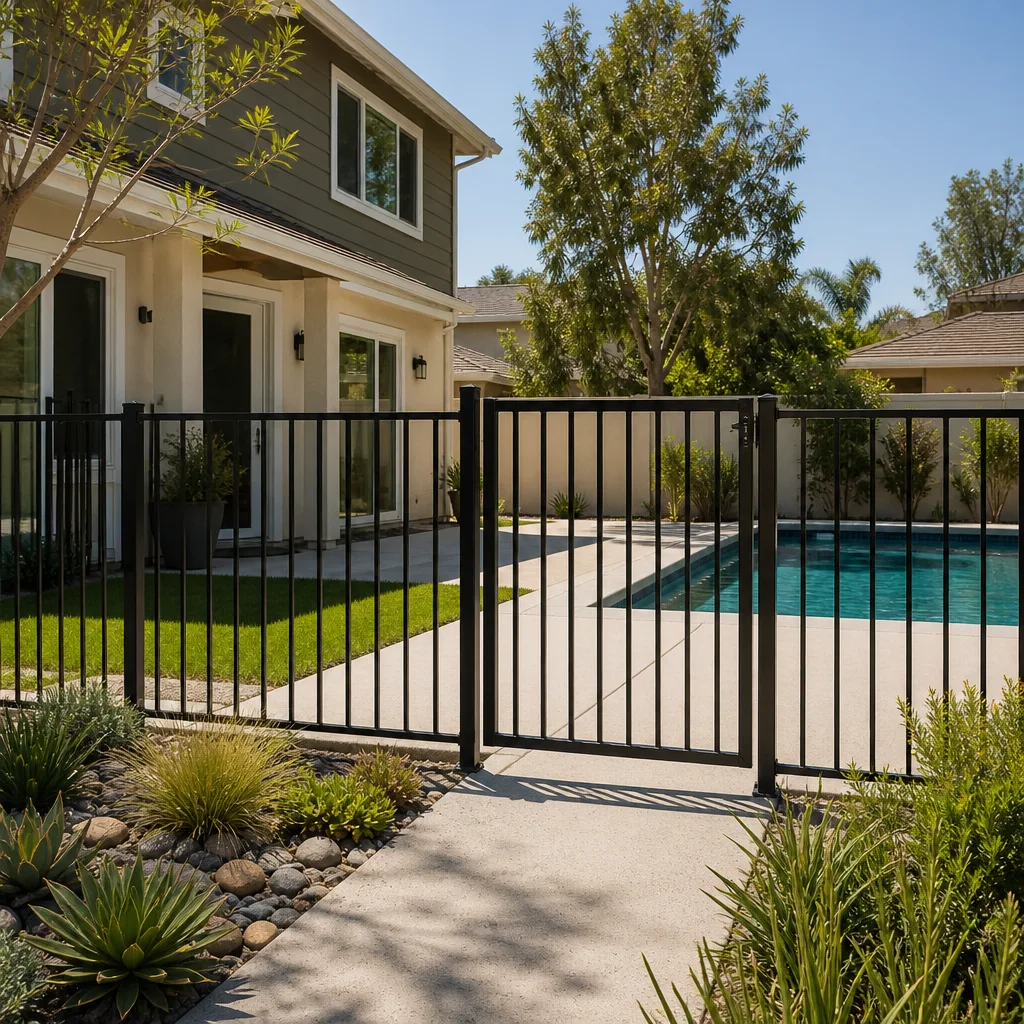
- Fence installation. Permit threshold depends on height and location; HOA approval usually required. Warranty on fence brands like Ameristar or Bufftech requires proper installation. Hire out.
- Driveway resurfacing or pavers. Permit may be required, especially when grading is involved. Warranty and disclosure risk both apply. Hire out.
- Roof replacement. Permit required. Manufacturer warranty voided by DIY. High disclosure risk. Hire a licensed roofer.
- Window and door replacement. Permit required for most replacements. Brand warranty at stake. Hire a licensed installer.
- Electrical panel upgrade. Permit and licensed contractor required by law. Not DIY under any circumstance.
- Structural wall removal or addition. Permit, engineering, and licensed contractor required. High disclosure and warranty risk. Not DIY.
Notice the pattern: the further a project moves from cosmetic toward structural, the more the four factors line up against DIY. The matrix isn’t about difficulty. It’s about consequences.
If your project sits in the middle of the table, the honest answer is that the permit and warranty questions decide it. When in doubt, treat it as pro work.
The Resale Disclosure Risk Nobody Warns You About
California’s disclosure requirements mean a seller has to tell a buyer about known unpermitted improvements. This turns a forgotten DIY project into a negotiating chip or, worse, a deal-breaker. In Orange’s resale market, where buyers are often financed and appraisals are part of the process, unpermitted work gets caught.
The sequence is predictable. A buyer makes an offer. The lender orders an appraisal. The appraiser notices a permitted addition or a roof that doesn’t match the permit history. The lender asks for documentation. If there isn’t any, the buyer’s agent asks for a credit or the buyer walks. Sometimes it happens in the final week of escrow, which is exactly when nobody has room to fix it.
The fix is to do permitted work the first time, or to use a licensed contractor who pulls the permit and passes the inspection. This is one reason we handle driveway & pavers as a permitted, inspected scope when grading is involved, and why we approach home additions & ADU projects with the permit process as step one, not an afterthought.
If you’ve inherited a property with unpermitted work, the path forward is to permit it retroactively or to disclose it clearly. Both are easier with a licensed contractor’s help.
The Hybrid Approach: Where DIY and Pro Meet
The decision isn’t always binary. Some of the best outcomes in Orange come from a hybrid approach: the homeowner handles the parts that are safe and cosmetic while a licensed contractor handles the permit-governed and warranty-sensitive scope.
A few realistic hybrids:
- Bathroom remodel. The homeowner picks finishes and paints; the licensed contractor handles plumbing, electrical, waterproofing, and tile setting.
- Fence and landscaping. The contractor installs the fence and the homeowner handles the planting and beds afterward.
- Deck or patio. The contractor frames and sets the structure; the homeowner stains and finishes.
The hybrid model works because it assigns each task to whoever can do it safely and legally. It also keeps the cost realistic without cutting corners on the parts that carry real risk.
This is where a general contractor that covers multiple trades in one scope earns its keep. Construction Orange handles the driveway, the fence, the roof, the windows, the kitchen, the bathroom, and additions under one point of contact, which means you’re not chasing permits and schedules across four different companies. Our brand relationships span paving, roofing, windows, cabinetry, and fixtures, from GAF and Cambria to Kohler and Toto, so material selection stays open while the installation stays accountable.
For an Orange homeowner planning several phases, the hybrid approach often beats both full DIY and full-contractor. You keep control of the cosmetic work and hand off the work that carries permit, warranty, and disclosure risk.
Common Mistakes to Avoid
- Starting without checking the permit threshold. Homeowners assume a project is too small to need a permit, then discover the city disagrees. Call the building department before you buy materials.
- Ignoring the HOA architectural review. In Orange’s tract neighborhoods, an unapproved exterior change can trigger a fine or a reversal order. Get approval in writing first.
- Assuming the manufacturer warranty covers a DIY install. Most major building products require licensed installation to keep the warranty valid. Read the warranty terms before you decide to DIY.
- Buying materials before the scope is locked. Material selection and installation spec have to match. Ordering first often means reordering later.
- Skipping the flashing and waterproofing details. These are the parts that fail first, especially around windows, doors, and roof penetrations. They’re not the place to learn on the job.
- Doing gas or electrical work yourself. These aren’t just permit issues; they’re life-safety issues. A licensed electrician or plumber is the only answer.
- Forgetting the paper trail. Keep permits, inspection records, and warranty documentation. They’re what protect you at resale.
See the difference
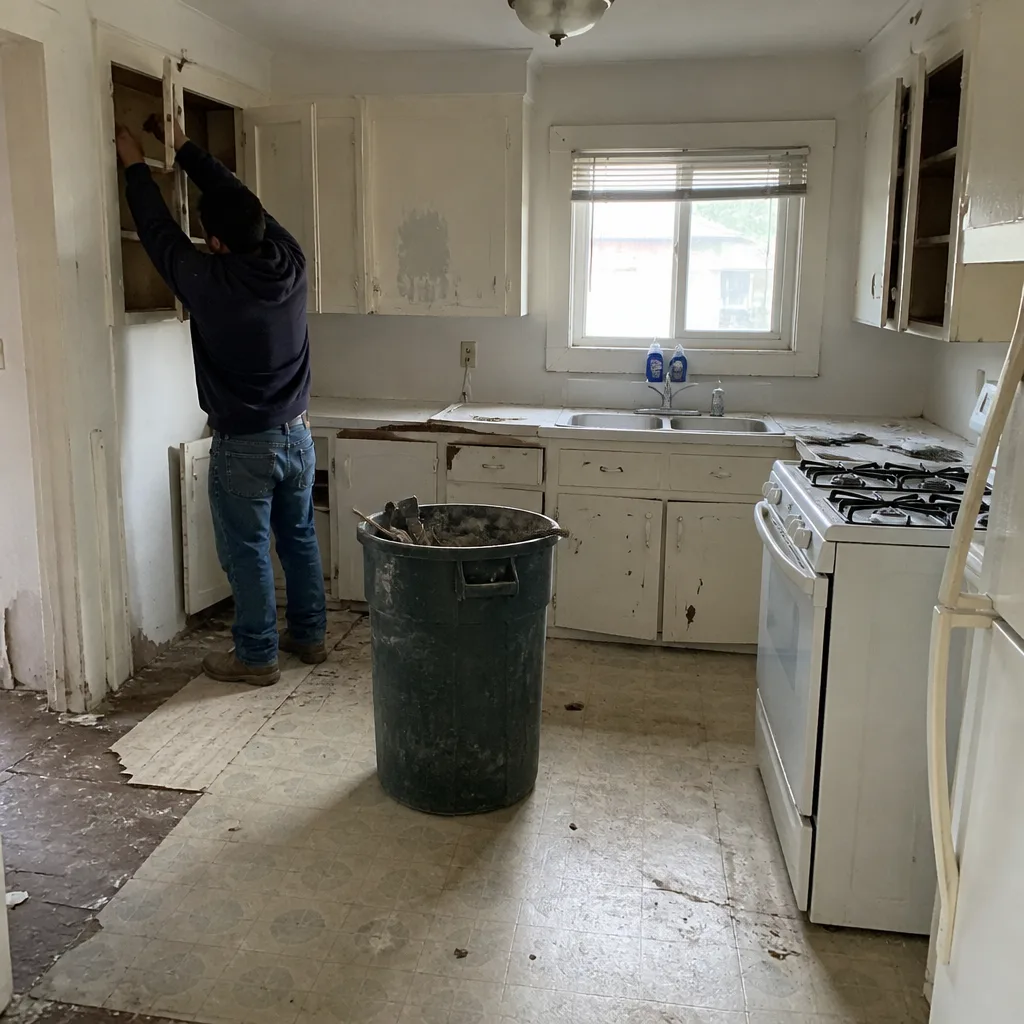 Before
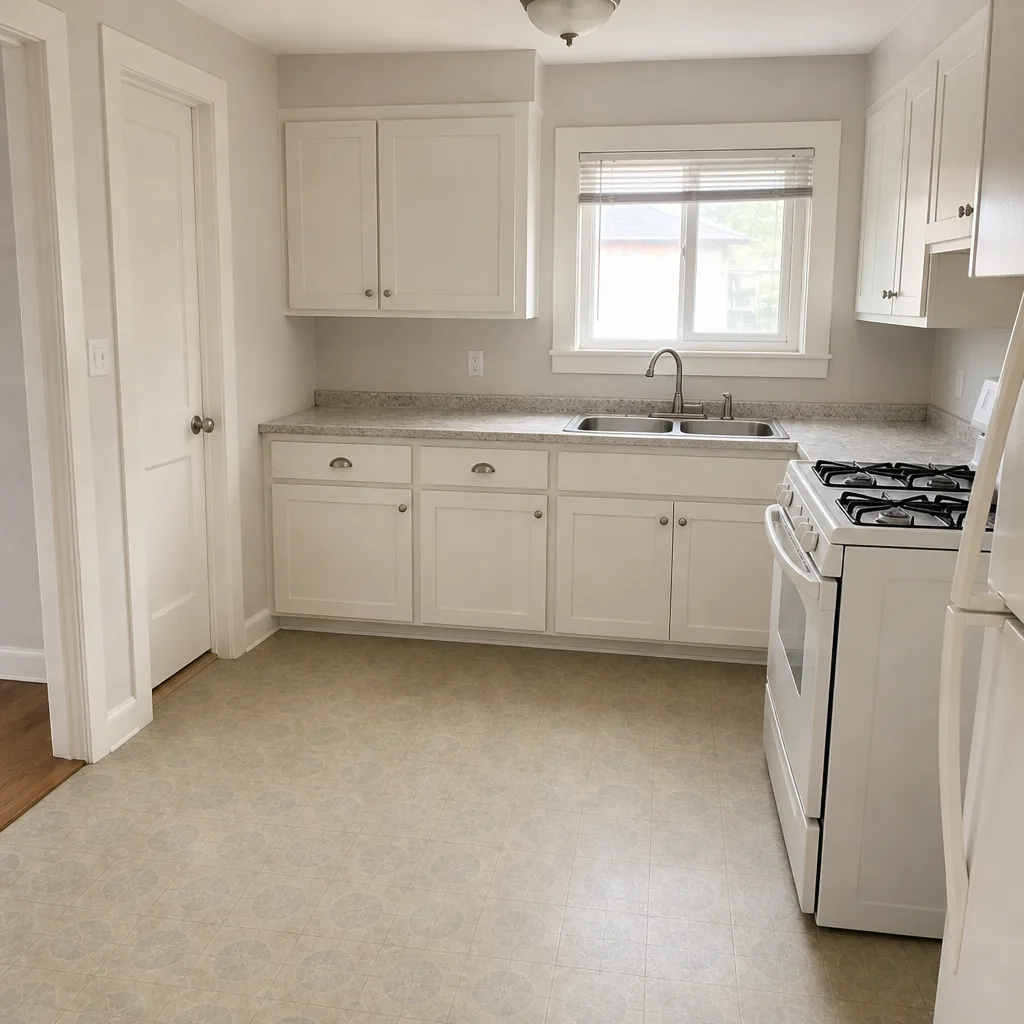 After
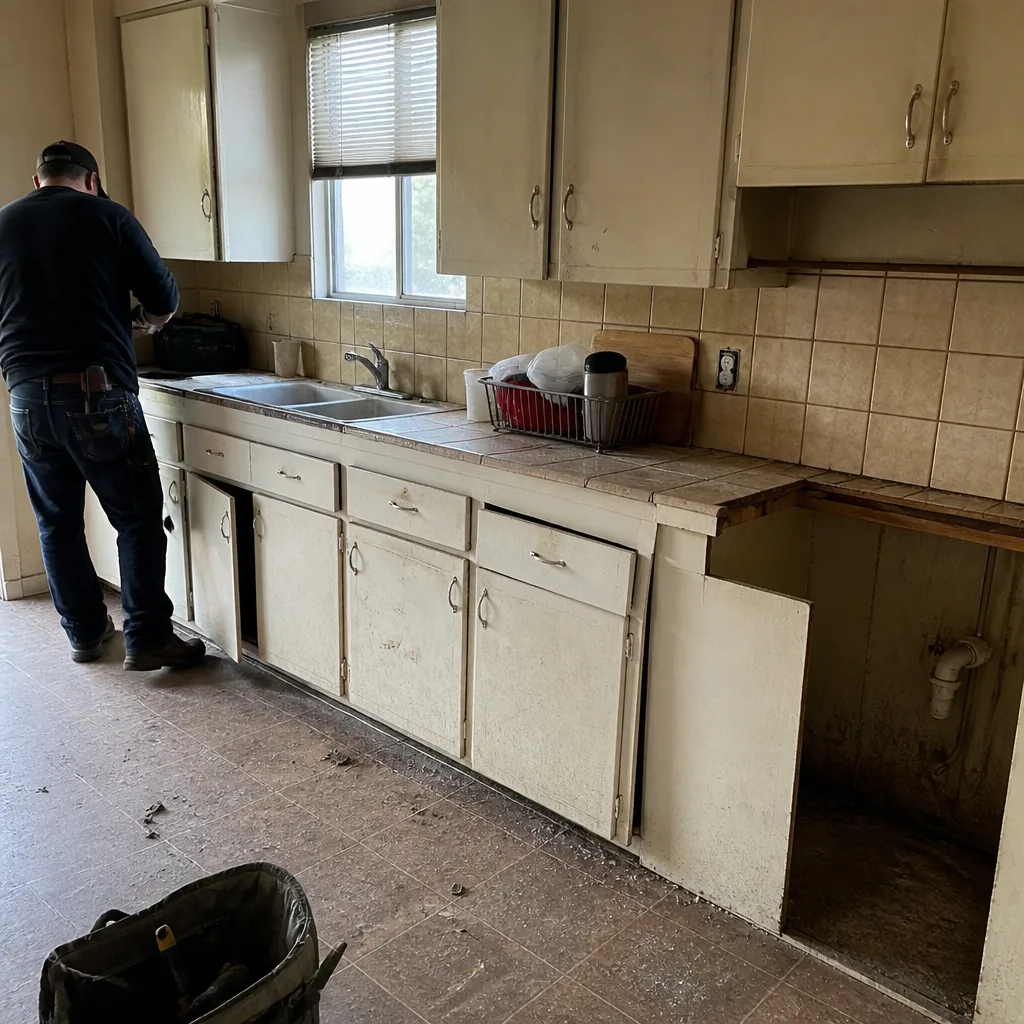 Before
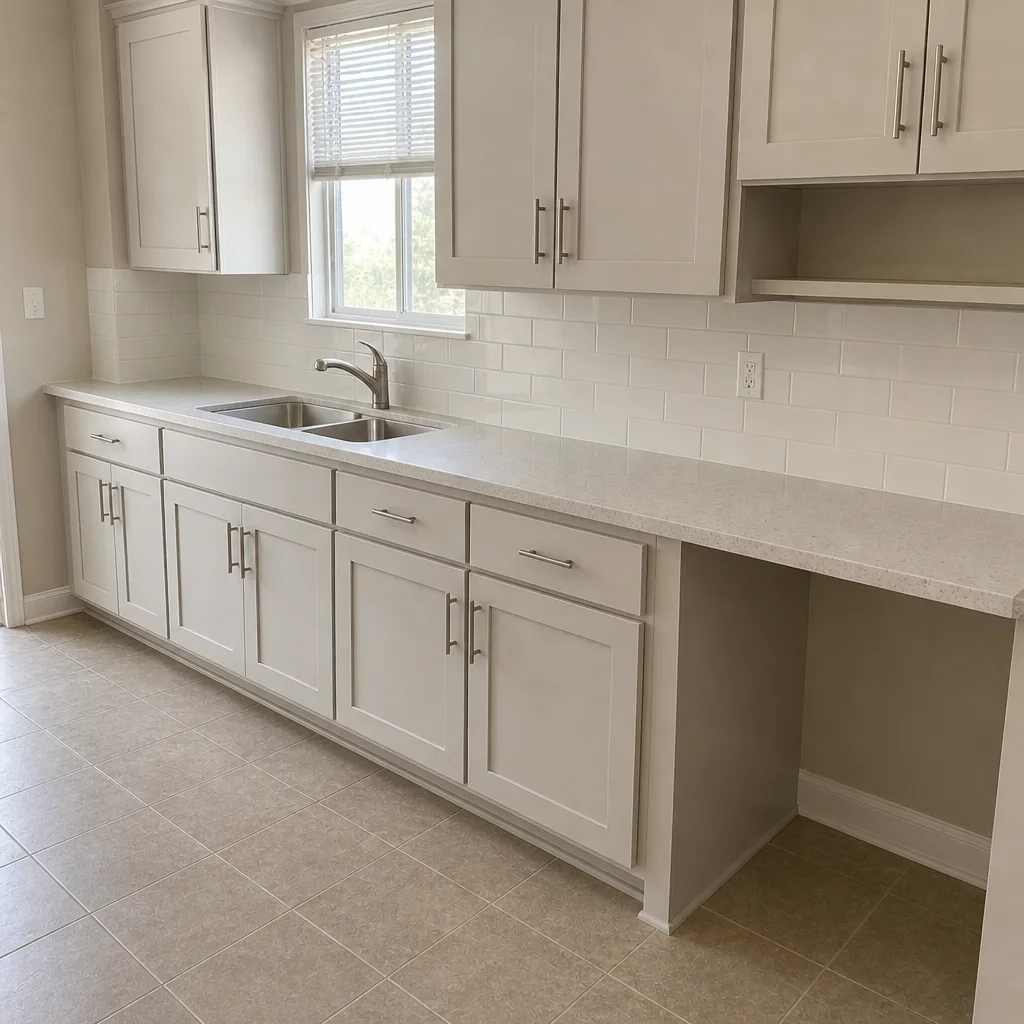 After
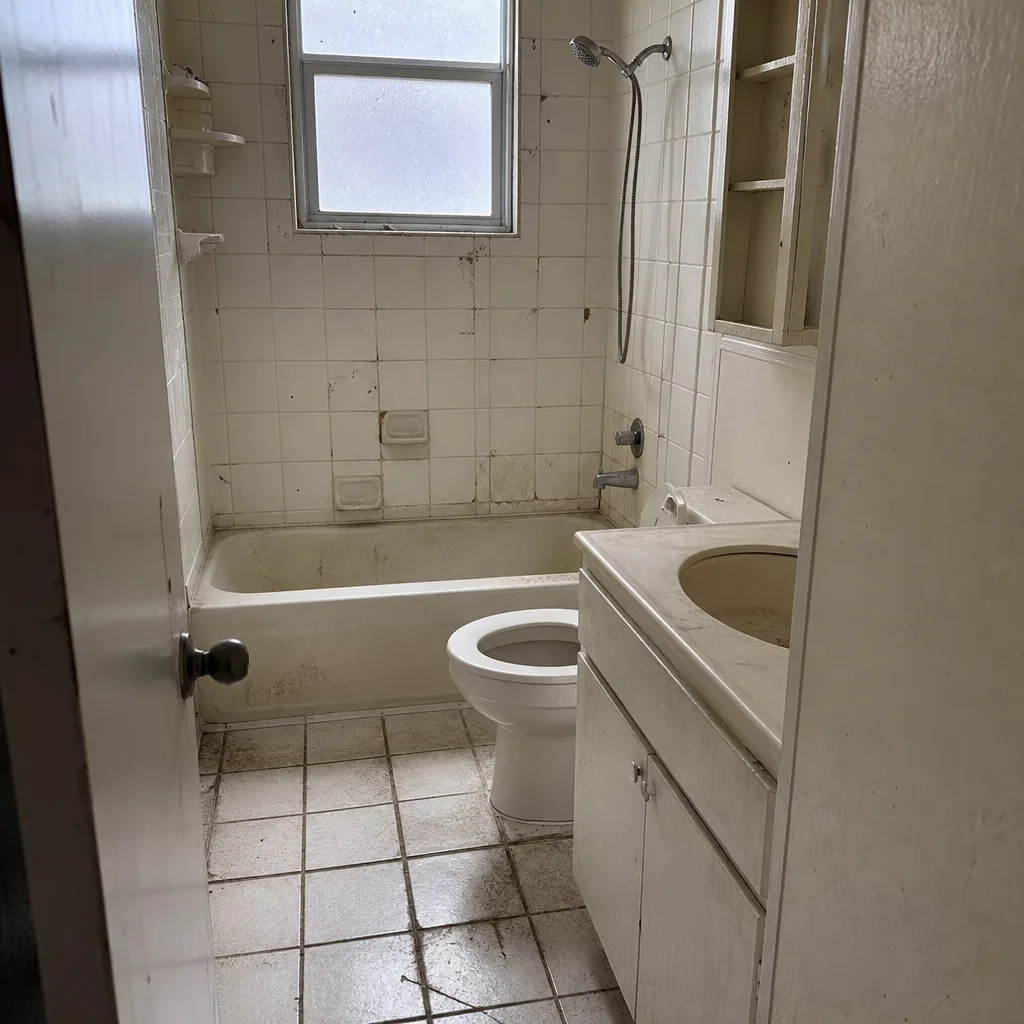 Before
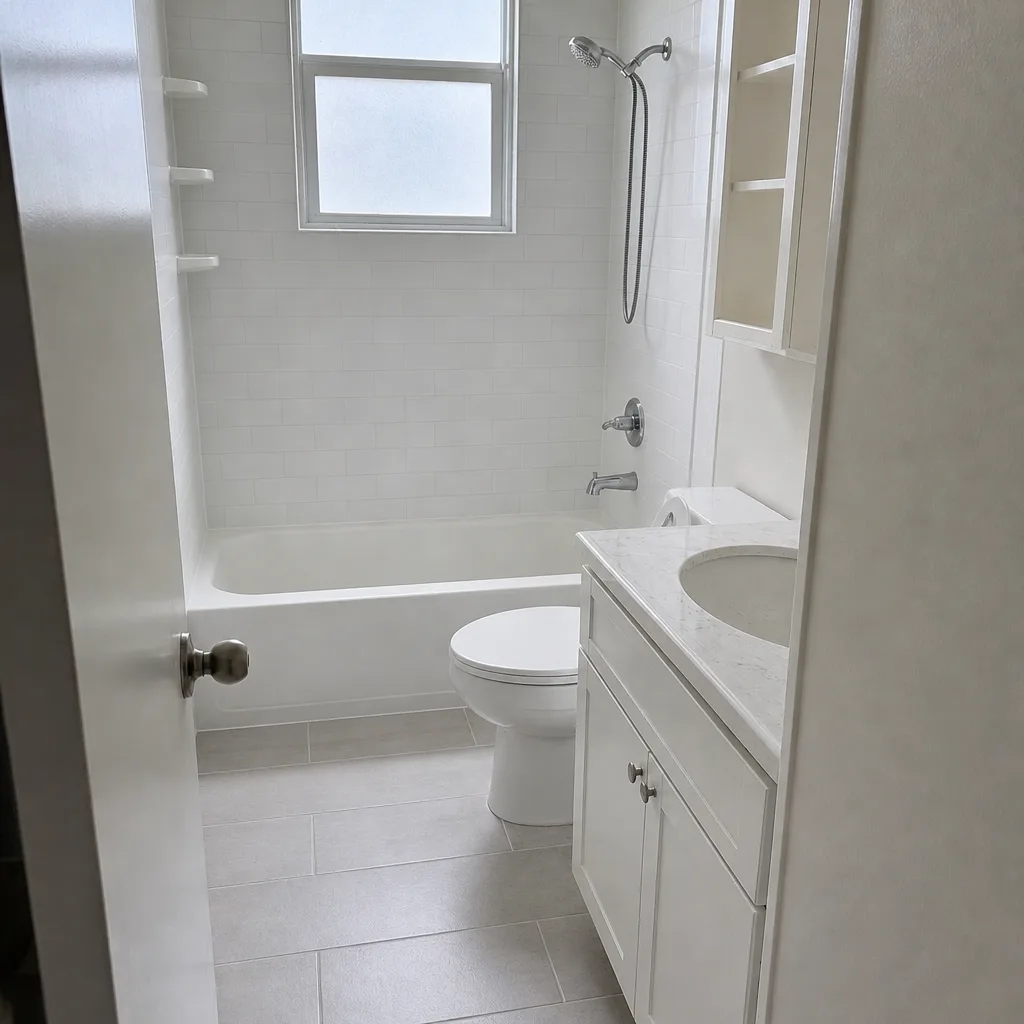 After
When to Call a Professional
Call a licensed professional in Orange when the work touches the building envelope, the structure, the electrical system, or the gas system. That includes roofing, window and door replacement, any wall removal, panel work, and gas line modifications. Call when a permit is required, when a manufacturer warranty depends on licensed installation, or when your HOA approval is unclear. And call when you’ve started a DIY project and hit a problem you’re not equipped to solve. Our technicians have up to 12 years of experience across the trades, and we pull permits and pass inspections as standard practice. We answer 24/7. Call (844) 797-4821. Fast dispatch from 7am to 7pm, Sunday through Friday, closed Saturday. Estimates are free, and the written estimate sets the price.
Frequently Asked Questions
No. A roof replacement in Orange generally requires a permit and inspections, and most manufacturer warranties on shingle systems require a licensed installer. Doing it yourself can void the warranty and create a resale disclosure problem. Call (844) 797-4821 for a free estimate.
Homeowners can do limited electrical work on their own property in some cases, but anything involving the panel, new circuits, or service changes must be done by a licensed electrician and inspected. For safety and legal reasons, electrical panel work is not a DIY project. Call us to talk through the scope.
Your HOA can regulate fence height, material, and color, and often requires architectural review before work starts. Getting approval in writing first prevents fines and reversal orders. We can help you check the requirements before ordering materials.
Typical driveway and paver projects in Orange range widely based on material, size, and grading needs. The written estimate sets the final price, and we offer free estimates. Call (844) 797-4821 for a scope-specific quote.
Yes. California requires sellers to disclose known unpermitted improvements, and buyers and their lenders can flag unpermitted work during appraisal or underwriting. Permitted, inspected work avoids the problem entirely.
Roofing, window and door replacement, electrical panel work, gas lines, structural changes, and any project that requires a permit. These carry permit, warranty, and disclosure risk that outweigh any savings from DIY. Call us for a free estimate before you decide.
The Bottom Line
The DIY-versus-pro question in Orange comes down to consequences, not capability. Cosmetic, reversible, permit-free work is fine to handle yourself. Anything that touches the building envelope, the structure, the electrical system, or the gas system should go to a licensed contractor, because the permit, warranty, and resale disclosure risks don’t show up on a tutorial. A decision matrix helps you sort projects quickly, and a hybrid approach often makes the most sense: you keep the cosmetic work, a licensed contractor takes the rest. From the curb to the ridge, we cover the full property, and every estimate is free.
Call (844) 797-4821 for a free estimate. We answer 24/7. Fast dispatch from 7am to 7pm, Sunday through Friday, closed Saturday. We’ll walk the scope with you, pull the permits, and pass the inspections so the work holds up at resale. Manufacturers like Boral, Therma-Tru, ViewLux, and more are on the roster, so material selection stays open and installation stays accountable. Written line-item quotes, fixed pricing with no change orders, and workmanship warranty come standard.
Written by the team at Construction Orange.