Last updated November 18, 2026

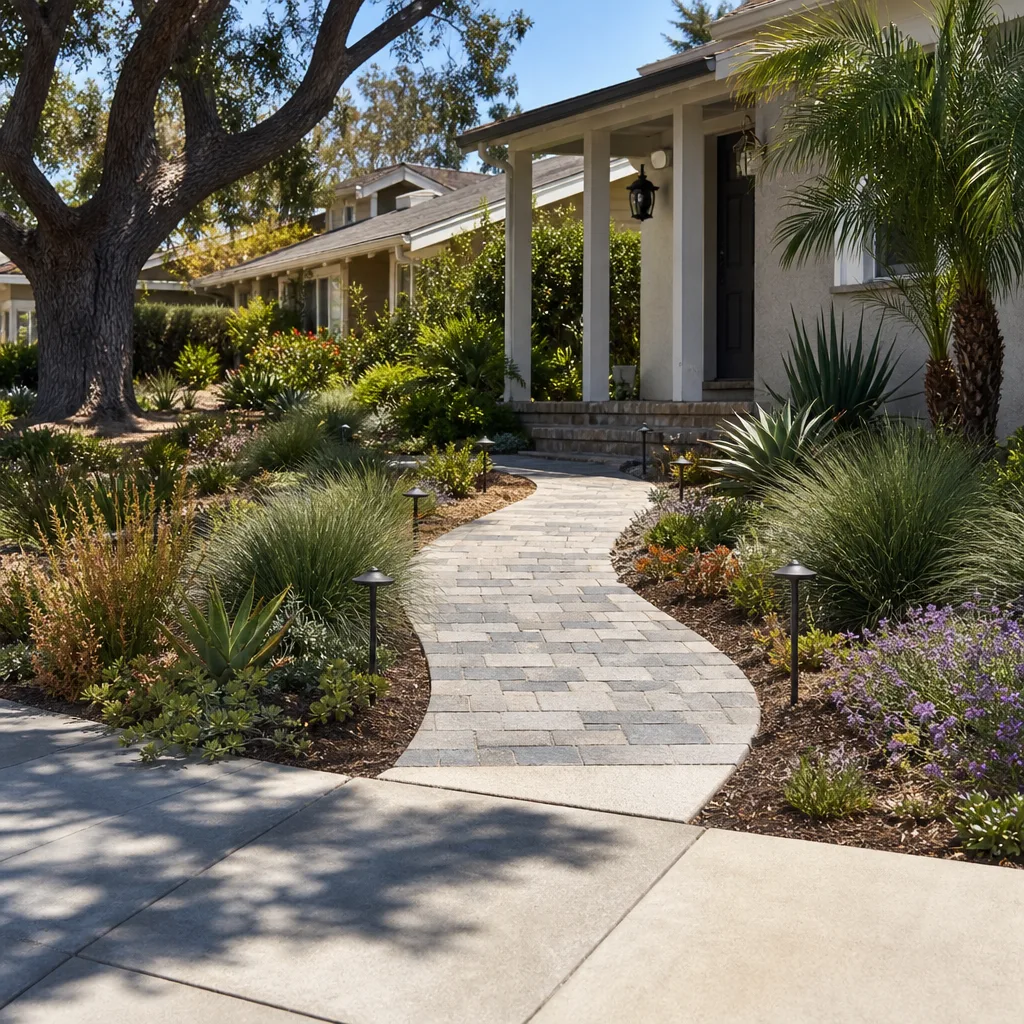




Free written scope consultation - allowances, timeline, and change-order rules on paper before a single trade is scheduled
Construction Emergency Preparedness Guide for Orange Homes
Most homeowners think emergency preparedness means a flashlight and a case of water. For a house in Orange, the real risk is a failure sequence: a Santa Ana wind event peels back a ridge cap, a supply line lets go behind a cabinet, heavy rain finds the one spot where a retaining wall was already leaning. The vulnerability usually predates the event by years, hidden in maintenance nobody scheduled. This guide is about closing that gap before the wind picks up. You’ll learn how to build a home condition document an adjuster can actually use, the emergency scenarios that matter in Orange, and exactly what to do in the first 24 hours after structural damage.
Quick Answer
Emergency preparedness for an Orange home comes down to three things you can do before anything goes wrong: document your home’s current condition with photos, materials and install dates; know which problems you can legally handle yourself and which require a licensed contractor; and pre-vet a general contractor so you’re not searching blindly at 10pm after a wind event. Build all three now, and the first 24 hours after damage becomes a checklist instead of a scramble. Our technicians have up to 12 years of experience, and we’ve seen what separates a fast insurance settlement from a claim that drags on for months.
Styles & brands we work with
- Kitchen remodeling
- Bathroom remodeling
- Home additions & ADU
- Roofing
- Windows & doors
- Driveway & pavers
- Fence
Table of Contents
- How Do You Build a Home Condition Document for Insurance?
- Which Construction Emergencies Actually Hit Orange Homes?
- What Should You Do in the First 24 Hours After Structural Damage?
- Which Temporary Repairs Can You Legally Do Yourself in Orange?
- How Do You Pre-Vet an Emergency Contractor Before You Need One?
- Which Contractor Do You Call First, and in What Order?
- What Should a Yearly Preparedness Walkthrough Cover?
How Do You Build a Home Condition Document for Insurance?
A home condition document is a dated, organized record of what your house is made of and what shape it’s in right now. When an adjuster opens a claim, they need to know what existed before the loss so they can separate pre-existing wear from the covered event. A homeowner who can hand over photos, material names and install dates compresses that process from days into hours. A homeowner who can’t often argues over scope and value instead.
Start with a walkthrough of the whole property, curb to ridge. Photograph each elevation of the house, the roof from a safe vantage point (never climb it), the fence line, the driveway, and every mechanical room. Then organize what you find.
- Photograph each system and structure. Roof planes, fascia, gutters, fence sections, driveway surface, retaining walls, window exteriors, water heater, supply lines under sinks and behind the washer.
- Record material names and install dates. Note the shingle line, the fence material (vinyl, steel, wood), the paver or concrete type, and when each was installed or last repaired. Manufacturer documentation matters here, which is one reason we work with a roster of brands including Quikrete, Belgard and Master Halco.
- Write a one-page summary. List each structure, its material, its approximate age and its known condition. Keep it plain.
- Store it in two places. One cloud folder and one physical copy. An adjuster may ask for it while the power is out.
- Update it after every repair or upgrade. A new roof or a replaced fence section is a new line item, and the date is the whole point.
Spend an afternoon on this and it’s done. In Orange, where the same wind event can touch a hundred roofs in an afternoon, adjusters triage by documentation quality. Being the file that’s easy to process moves you up the queue.
Which Construction Emergencies Actually Hit Orange Homes?
Coastal cities worry about salt and fog. Mountain towns worry about snow load. Orange sits in a different pocket: warm dry winds, clay-heavy soil, and a housing stock where a lot of the exterior work was done decades ago. The scenarios below are the ones that actually produce emergency calls here.
- Santa Ana wind damage to fences and roofs. Sustained wind out of the northeast is the single most reliable stress test an Orange home faces. Fence panels with softened posts fail first, then ridge caps and loose tiles. A fence that goes down often takes a gate and a section of post footing with it.
- Roof breaches during the first heavy rain. A roof that survived the dry season can still leak because the flashing around a vent or a chimney was never sealed properly. The damage often shows up inside, at a ceiling stain, before anyone thinks to look up.
- Retaining wall failure after heavy rain. Orange’s clay soil holds water and expands. A wall that was built without proper drainage, or that’s been leaning for a few seasons, can fail during or after a storm. This is the scenario where a small repair quietly becomes a structural job.
- Driveway crack-to-sinkhole progression. A hairline crack in a concrete driveway is cosmetic until water gets underneath. Over seasons, the sub-base washes out and the crack widens into a void. Homeowners in Orange frequently describe this as something that “happened all at once,” when the timeline was years.
- Burst supply lines. A washing machine hose or a supply line under a sink fails without warning and floods a floor before anyone notices. This is the most common interior emergency, and the cheapest to prevent.
One pattern connects all five: deferred maintenance turned a manageable repair into an emergency. The fence post was loose before the wind. The drainage was wrong before the rain.
What Should You Do in the First 24 Hours After Structural Damage?
Your goal in the first 24 hours is twofold: stop further damage, and preserve the evidence the claim depends on. Those two goals can conflict, which is why the order matters. Document before you clean. Secure before you repair.
- Make the house safe, then stop. Shut off gas or water at the source if a line is involved. Keep people and pets away from anything that could fall. Do not walk on a damaged roof.
- Document everything before cleanup. Photograph and video each damaged area from multiple angles, including close-ups of materials. Photograph the surrounding area too, because adjusters need context. Keep damaged materials until an adjuster has seen them.
- Call your insurer and open the claim the same day. Give them the date, the event and a plain description. Reference your condition document if you have one.
- Tarp the breach. A properly secured tarp over roof damage limits water intrusion and is standard temporary protection. This is height work: it belongs to a trained professional, and an improperly fastened tarp can itself cause damage.
- Install temporary fencing if a boundary is open. Temporary panels around a gap protect against intrusion and keep kids and pets in. This is also where a pre-established contractor relationship pays off, because fencing crews book out fast during a regional event.
- Keep receipts for anything you spend on emergency protection, and photograph the temporary measures in place.
That sequence protects the claim and the household at the same time. Skip step two and you can lose the ability to prove what the event actually did.
Which Temporary Repairs Can You Legally Do Yourself in Orange?
There’s a line between protecting your home and performing work that requires a licensed contractor. Crossing it can create insurance complications and, worse, safety risk. The general rule: anything involving structure, height, gas, or electrical belongs to a licensed professional. Anything that only protects or contains can usually be done safely by a homeowner.
What a homeowner can typically handle as temporary measures:
- Moving furniture and belongings away from water intrusion.
- Shutting off a supply valve or the main water line.
- Placing buckets and towels, and drying wet surfaces with a fan.
- Boarding a broken window from the inside with plywood, where it can be done from the ground.
- Photographing, labeling and storing damaged items.
What requires a licensed contractor:
- Any roof work, tarping included, because it’s height work with fall risk.
- Structural repairs to a wall, a beam, a ridge or a footing.
- Gas line work of any kind. Gas is not a do-it-yourself material.
- Electrical repairs, including anything at the panel. Panel and wiring work is dangerous and code-regulated.
- Permanent fence installation and any excavation for post footings.
Most cities require a permit for structural repairs and for permanent fencing, so ask Orange’s building department before any permanent work begins. Insurance carriers also distinguish between emergency protective measures and permanent repairs. Confirm with your adjuster which category a given fix falls into before you spend anything on the permanent side.
How Do You Pre-Vet an Emergency Contractor Before You Need One?
The worst time to research a contractor is during a regional wind event, when every reputable crew is already booked and the search results are full of people who just appeared. Build the relationship in a calm month. Ask a general contractor these questions now, in writing, and keep the answers on file.
- “What’s your license and insurance status?” Get it in writing. State-licensed, insured and bonded is the floor, not a bonus.
- “Which trades do you actually perform?” A contractor who only does roofing will hand you off during a multi-trade event. One who covers roofing, fencing, windows and doors, and interior work can coordinate the whole recovery.
- “Who pulls the permits?” The answer should be the contractor, and they should be willing to say so plainly.
- “Do you do free estimates? Are they written and line-item?” Free estimates with a written scope protect you from surprise change orders. Ours are free and set the final price in writing.
- “What’s your workmanship warranty?” Ask them to state it in writing, separate from manufacturer coverage.
- “Can you work with my insurer?” Any contractor can submit documentation. Look for someone who’s done it before and knows what an adjuster needs.
Once you’ve had these conversations, keep the file with your condition document. Then the night a wind event takes out your fence, you make one call instead of twenty searches.
If you’d like a general contractor who can cover every phase of recovery – Construction Orange works across roofing, fencing, driveways, windows and interior spaces – a single pre-vetted relationship does the work of several.
Which Contractor Do You Call First, and in What Order?
After a wind event or a storm, the order of calls matters as much as the calls themselves. Calling out of sequence means paying for a repair that has to be undone, or missing the documentation window. Here’s the order that holds up.
- Your insurer. Open the claim the same day. Nothing else you do matters as much for the claim’s outcome.
- The roofing contractor. Roof breaches get worse with any moisture. Tarping and roof assessment come first because everything below depends on a dry envelope.
- The fence contractor. An open boundary is a security issue, and temporary fencing protects the property. Permanent fence installation can wait until the adjuster has seen the damage.
- An interior contractor or general contractor for water intrusion into walls, ceilings or floors. Water damage compounds; a wet wall cavity turns into a mold problem on its own timeline.
- The hardscape contractor for driveway & pavers or retaining wall assessment. This is often the last call but the most expensive to defer, since a failing wall gets worse with every rain.
If your recovery includes a rebuild rather than a repair, a contractor who handles home additions & ADU work as well as the exterior trades keeps the whole project under one schedule. Coordinating four separate contractors during a regional event is how projects stall.
One more habit: keep the phone numbers for each trade in the same file as your condition document, and note which contractor covers which scope. During an emergency you won’t want to sort it out on the spot.
What Should a Yearly Preparedness Walkthrough Cover?
Preparedness is mostly maintenance on a schedule. An hour once a year, ideally before the dry wind season, is enough to catch most of what turns a small repair into an emergency. Walk the property from the curb to the ridge and check each item on this list.
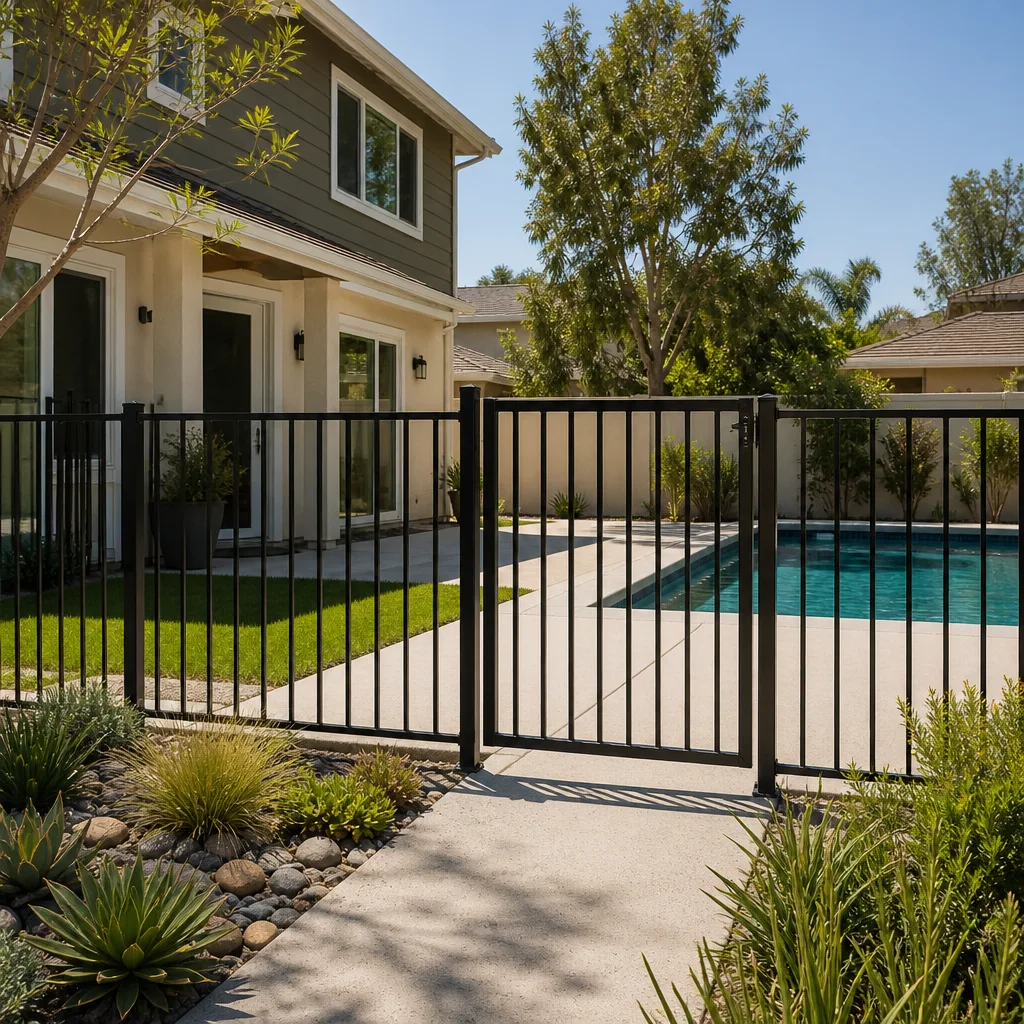
- Fence line: Check post bases for softness or rot, and look for panels that sway when pushed. A loose post is a wind-event failure waiting to happen.
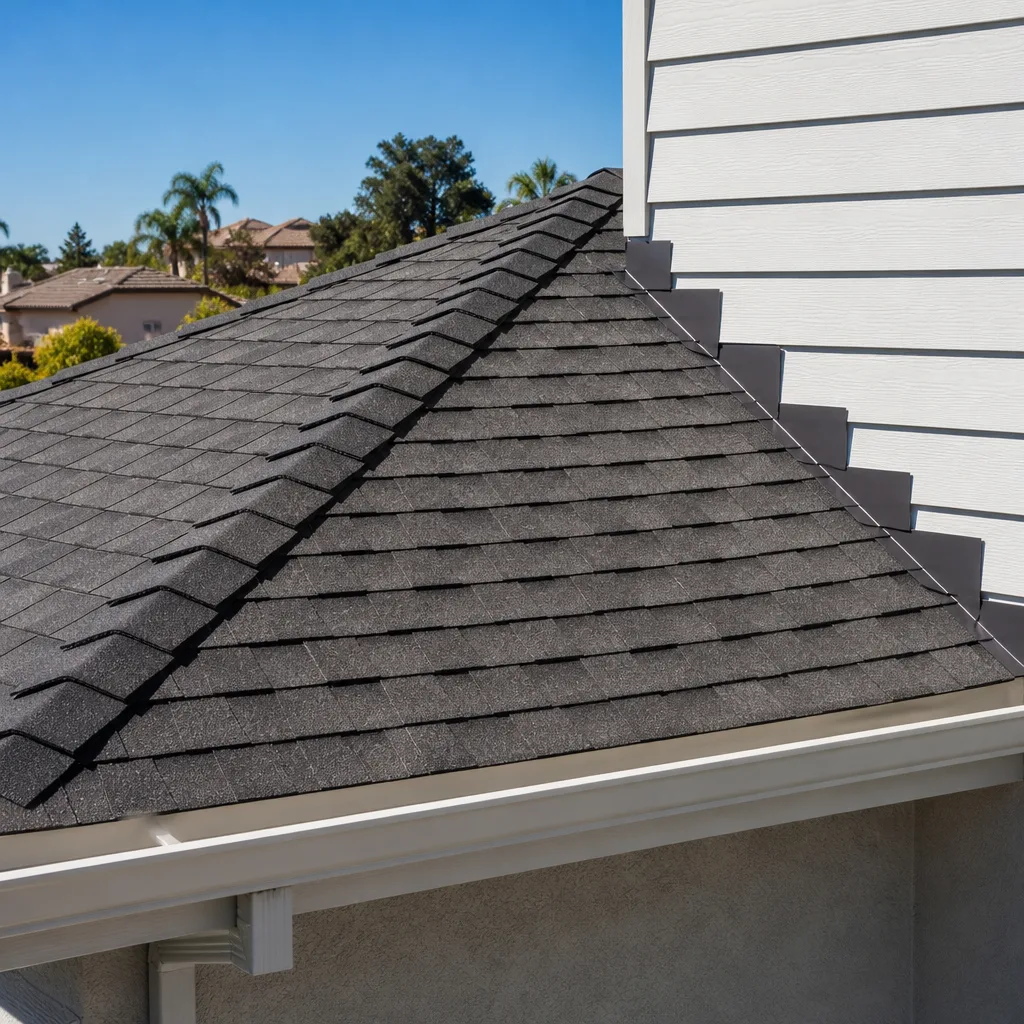
- Roof (from the ground): Look for missing or lifted shingles, loose ridge caps, and debris in gutters. If anything looks wrong up top, call a professional rather than investigating yourself.
- Driveway and hardscape: Note new cracks, widened joints, and any area that ponds water after rain. These are early indicators of sub-base issues.
- Retaining walls: Look for leaning, bulging or cracks in the wall face, and check that the drainage at the base is clear.
- Windows and doors: Check seals and weatherstripping, and look for water staining at interior frames after a storm.
- Supply lines and appliance hoses: Replace old hoses and inspect under sinks and behind the washing machine.
- Update the condition document with this year’s photos and any repairs made.
The point isn’t to fix everything yourself. It’s to know what’s failing and schedule the repair before a wind event schedules it for you.
Common Mistakes to Avoid
- Cleaning up before documenting. It feels productive and it’s the fastest way to weaken a claim. Photograph first, always.
- Climbing on the roof after a wind event. Loose shingles and damaged flashing are a fall risk, and an untrained tarp install can cause more damage than the original breach. Roof work belongs to trained professionals.
- Hiring the first contractor who knocks on the door after a regional event. Storm-chasers follow wind events. Ask for license and insurance in writing, every time.
- Ignoring a hairline driveway crack. In Orange’s clay soil, water finds every opening. A crack that gets water underneath is a sub-base failure years in the making.
- Not checking permit requirements before permanent repairs. Most cities require a permit for structural work and fencing. Unpermitted work can complicate your insurance claim and resale.
- Skipping the condition document because it seems tedious. An afternoon of photos and notes is what lets an adjuster process your claim in hours instead of days.
- Assuming the same contractor covers everything. A roofer can’t fix your fence, and a fence crew can’t fix your roof. A general contractor who handles multiple trades keeps the recovery moving.
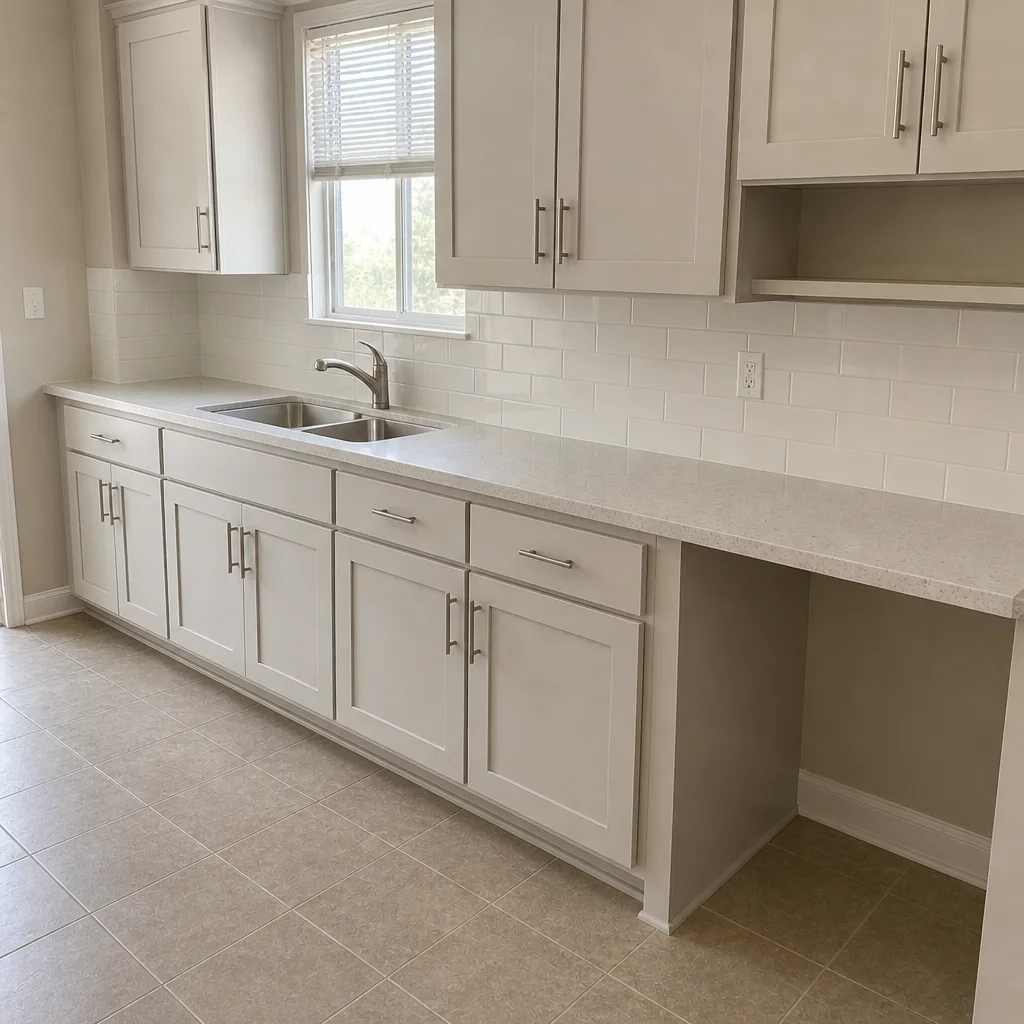
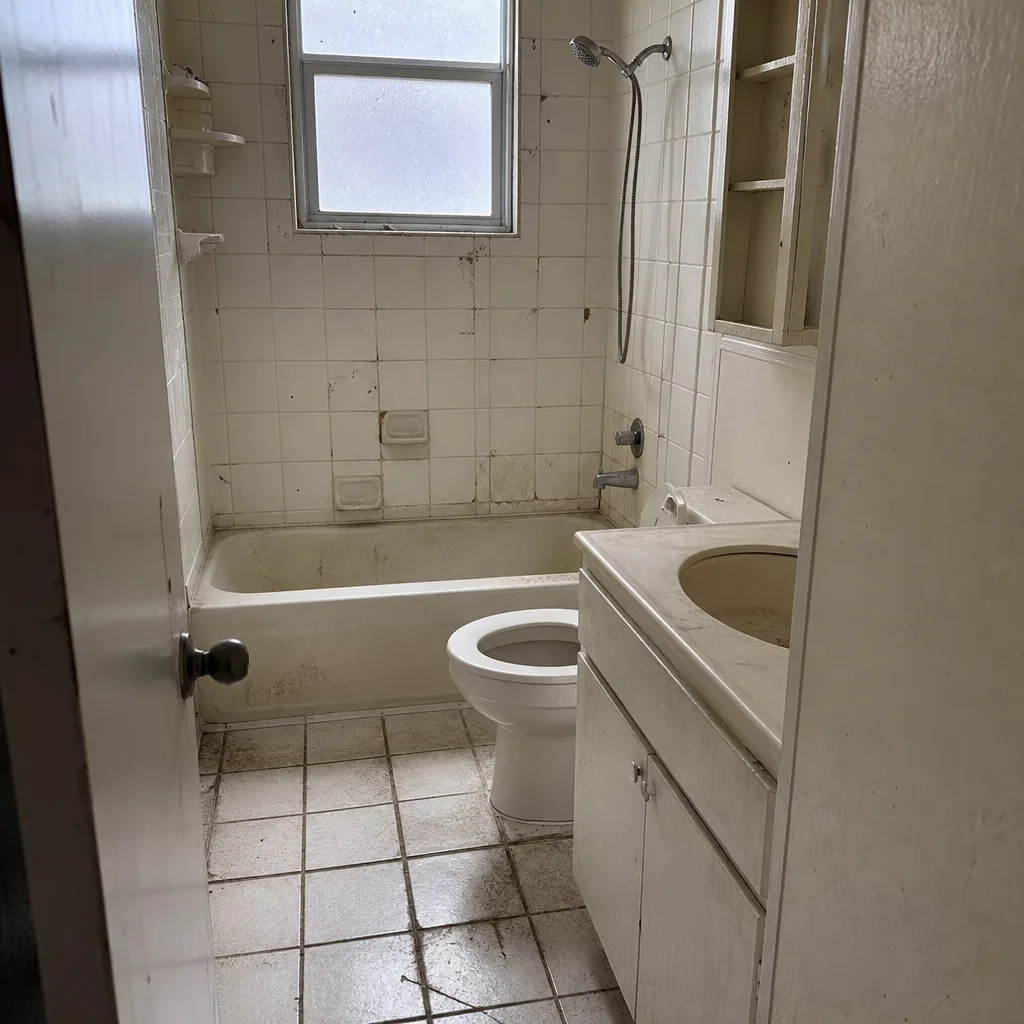
See the difference
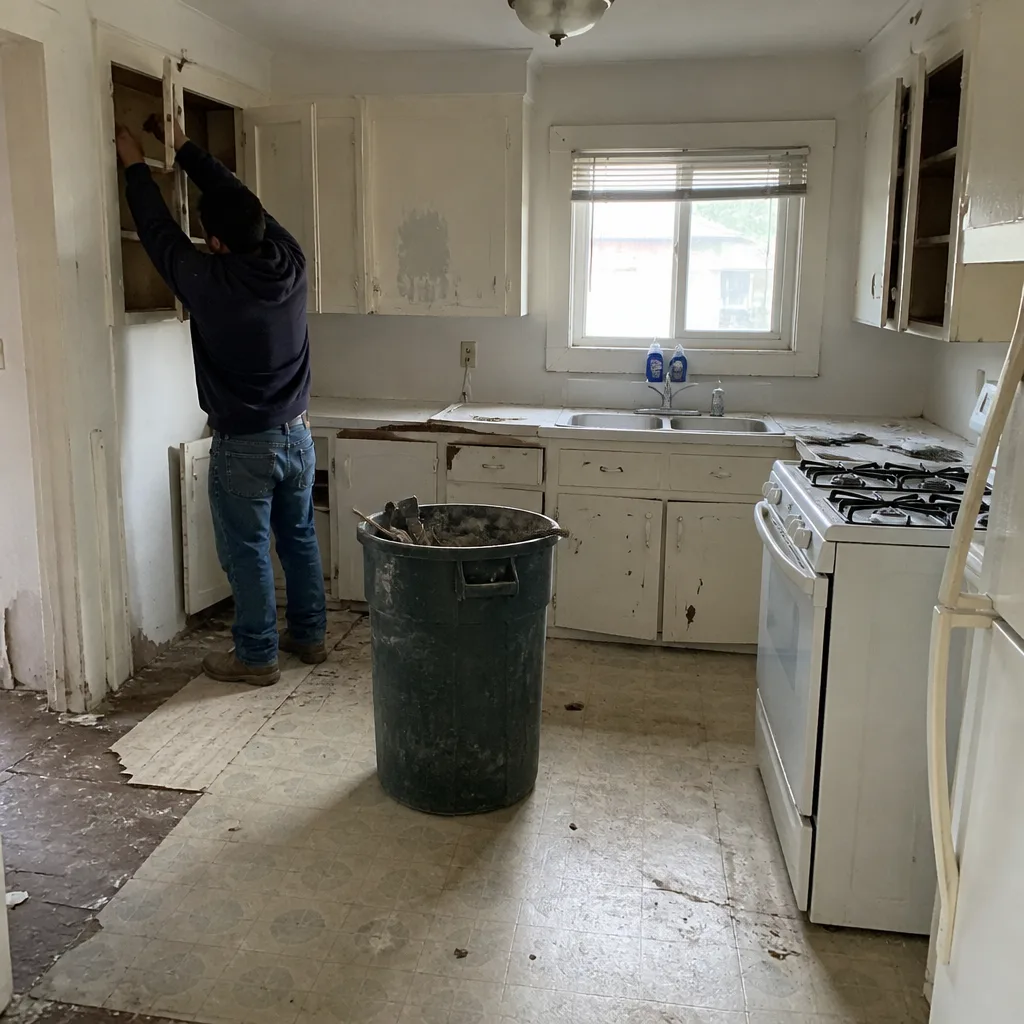 Before
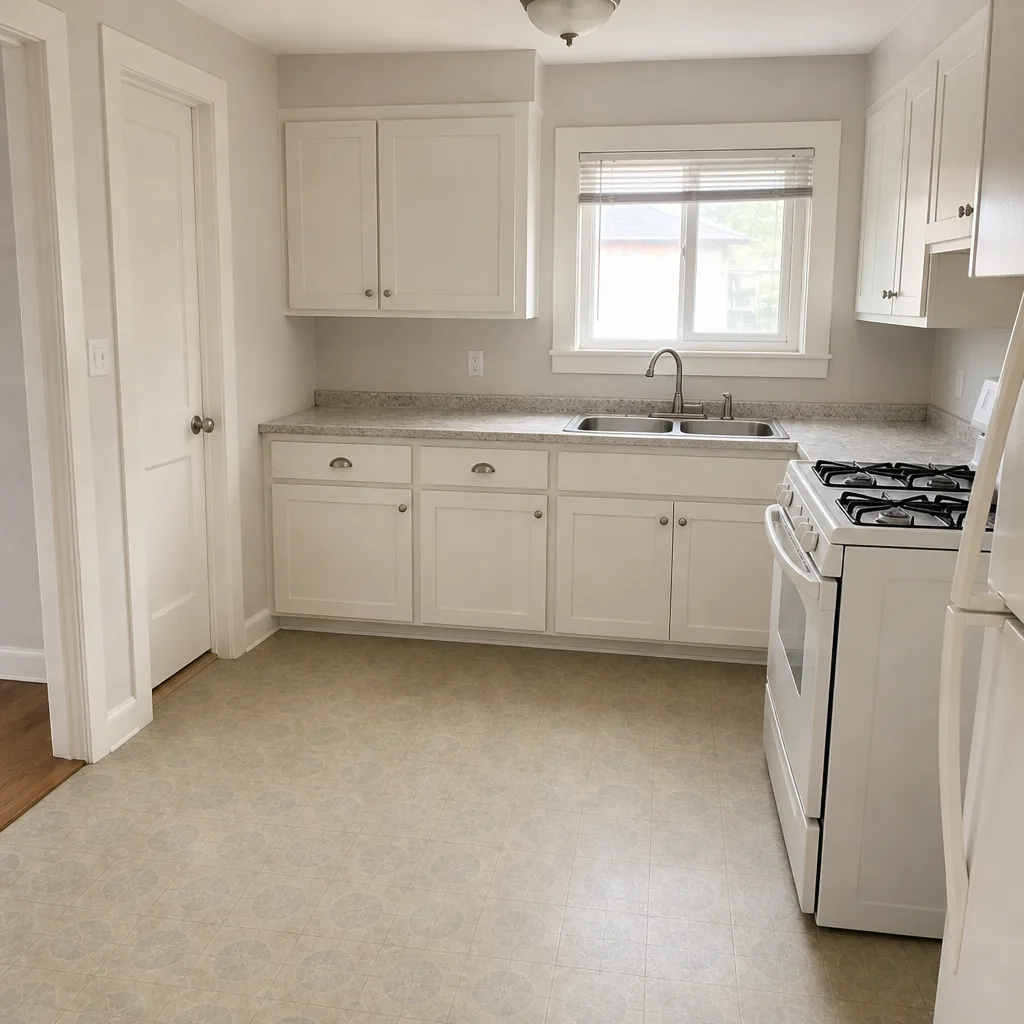 After
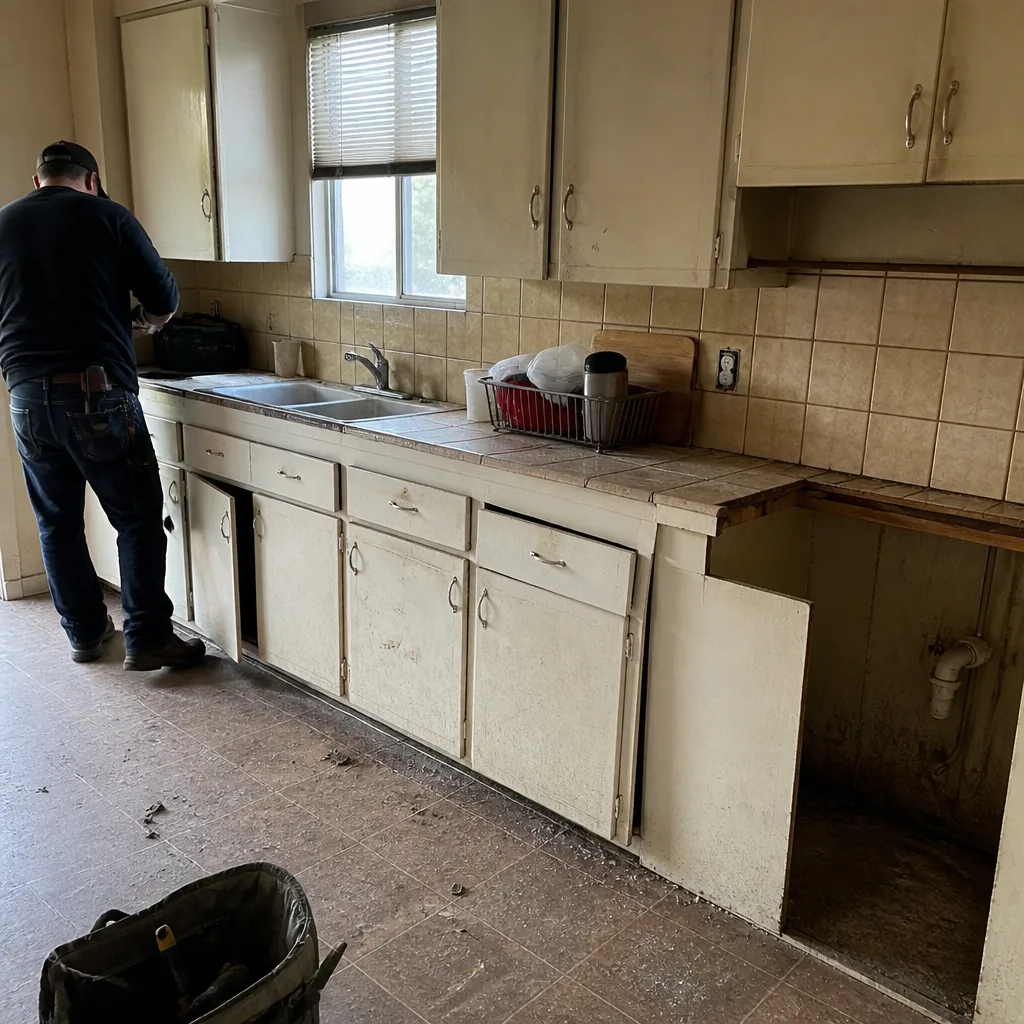 Before
 After
 Before
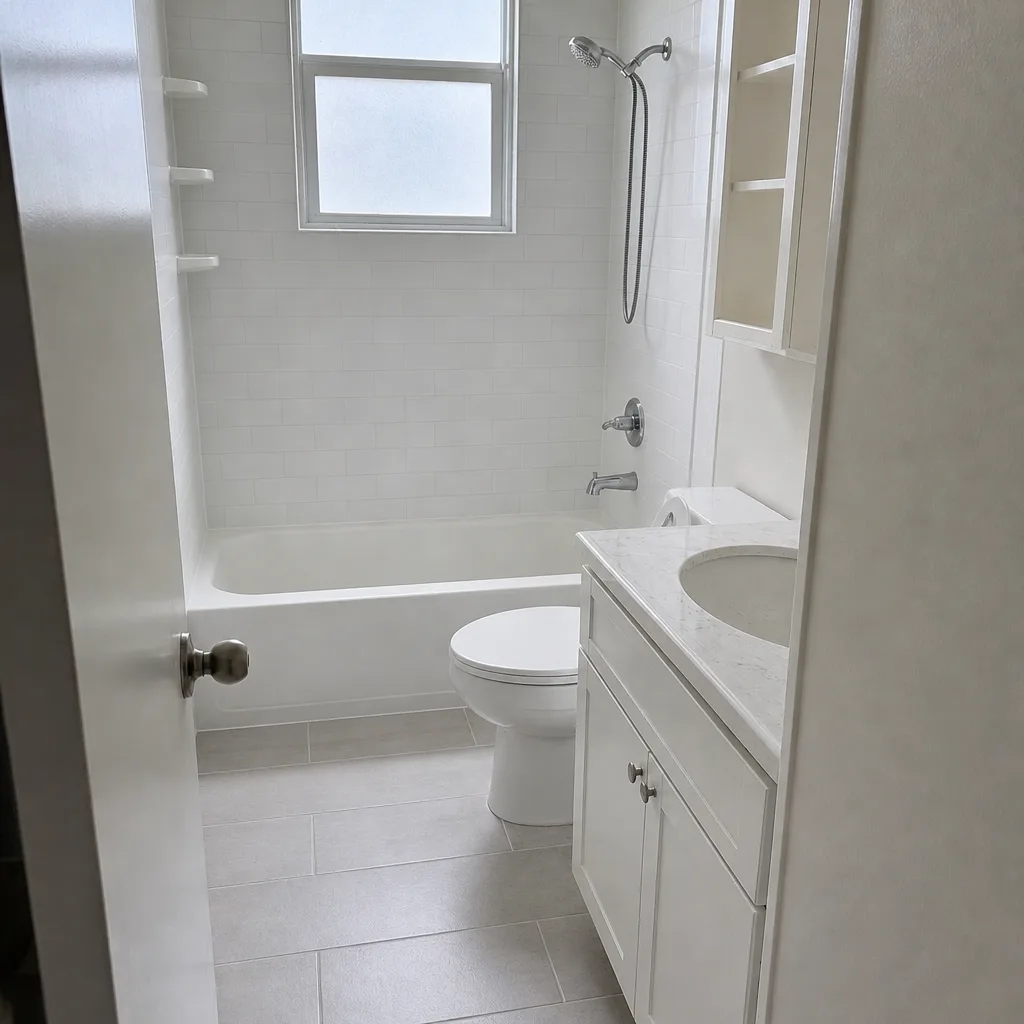 After
When to Call a Professional
Call a professional any time structural damage is involved, any time height or gas or electrical work is needed, and any time you’re not sure which category a problem falls into. If a fence section is down and the boundary is exposed, a roof breach is letting water in, or a retaining wall is leaning, the cost of waiting is measured in worse damage, not just inconvenience. Our team covers the full property: the driveway and fence at the curb, the roofing and windows on the envelope, and the kitchen and bathroom inside, backed by brands like GAF and Owens Corning for roofing, and Cambria and Silestone for interior surfaces. Construction Orange offers free estimates in Orange – call (844) 797-4821. We answer 24/7. Fast dispatch from 7am to 7pm, Sunday through Friday.
Frequently Asked Questions

Santa Ana wind events cause the most emergency calls, because they hit fences and roofs simultaneously and across the whole region. A fence post that’s been softening for seasons and a ridge cap that was never fully seated both fail when the wind is sustained. The second-biggest risk is heavy rain finding a roof that was already compromised. Both are predictable with a yearly walkthrough. Call (844) 797-4821 to schedule your free estimate.
Most cities require a permit for permanent fencing and almost always for structural repairs, so ask Orange’s building department before any permanent work begins. Emergency protective measures, such as temporary fencing, are a different category and usually don’t require a permit. Confirm with your adjuster which category a given fix falls into. Call (844) 797-4821 – our estimates are free and permit requirements get worked out in the written scope.
No, roof tarping is height work and belongs to a trained professional. Improper tarping can cause additional damage and creates a genuine fall risk. Photograph the damage from the ground, call your insurer, and call a roofer. Call (844) 797-4821 for a free written estimate.
Our written estimate sets the final price, so it doesn’t change once work begins. You get a line-item scope before anyone starts, which is the whole point of a written estimate. Call (844) 797-4821 to schedule your free estimate.
Temporary protection is usually a same-day job; permanent repair timelines depend on materials and permit requirements. A fence replacement can often be completed quickly once the scope is set, while roof repairs depend on matching the existing shingle line and how much decking needs replacement. Call (844) 797-4821 for an exact timeline on your project.
Every job is priced per job by written estimate, because scope varies widely – a single fence section is a different job than a roof section with decking damage. That’s why we estimate free and in writing. Call (844) 797-4821 to schedule your free estimate.
The Bottom Line
Preparedness for an Orange home is three habits, not a kit: document your home’s condition once and update it yearly, know which repairs are yours and which need a licensed contractor, and build a contractor relationship before you need one so a wind event doesn’t leave you searching blindly. Most construction emergencies here start as deferred maintenance – a soft fence post, a hairline driveway crack, flashing that was never sealed. Catch those and the event is a nuisance. Miss them and it’s a claim. Build the document, walk the property once a year, and keep one general contractor on file who can cover every phase of a recovery.
When something does go wrong, call Construction Orange at (844) 797-4821 for a free estimate. We answer 24/7. Fast dispatch from 7am to 7pm, Sunday through Friday.
Written by the team at Construction Orange.