Last updated November 18, 2026
Free written scope consultation - allowances, timeline, and change-order rules on paper before a single trade is scheduled
Choosing the Right Construction Brand: A Buyer’s Guide for Orange
Most homeowners in Orange shop for materials by reputation. They’ve heard a brand name at a home show or seen it on a neighbor’s house, and they assume that reputation travels. It doesn’t. A paver line that holds its color on a shaded coastal lot can pit and fade on an inland Orange driveway that bakes through long stretches of 90-degree-plus summer heat and takes a regular scouring of windblown grit. The brand isn’t the whole story. The spec sheet behind the brand is what decides whether your investment holds up. This guide walks you through reading those specs, checking whether a brand can actually deliver to Orange on schedule, and knowing which tiers are worth the money.
Quick Answer
The right construction brand for an Orange project is the one whose published performance data matches this area’s high-UV, low-humidity inland conditions, whose products have real local distribution so your job doesn’t stall on a backorder, and whose warranty still applies when an authorized installer puts it in. Prestige matters far less than climate fit and supply reliability. A general contractor with deep manufacturer relationships can often get you contractor pricing on the same brands while making sure the install qualifies for the warranty.
Styles & brands we work with
- Kitchen remodeling
- Bathroom remodeling
- Home additions & ADU
- Roofing
- Windows & doors
- Driveway & pavers
- Fence
Table of Contents
- Why Brand Reputation Doesn’t Transfer Across Microclimates
- How to Read a Manufacturer’s Climate Performance Specs
- Local Distribution: Which Brands Can Actually Deliver to Orange
- Warranty Geography: Verify Your Contractor Before You Choose
- The Brand Tier Reality for Orange Budgets
- How to Use a GC’s Manufacturer Relationships for Better Pricing
- Brand Selection by Service: What to Check in Each Trade
- A Step-by-Step Brand Selection Process
Why Brand Reputation Doesn’t Transfer Across Microclimates
A brand can earn a strong name in one part of Southern California and still be a poor fit for an Orange driveway or roof. The reason is microclimate. Orange sits inland enough to see many more days above 90°F than the coastal cities, and the air here stays dry through much of the warm season. That combination stresses exterior materials differently than marine air does.
Ultraviolet exposure is the first variable. High-UV, low-humidity cycling breaks down color pigments in pavers and sealers, dries out wood fencing, and ages window seals faster than a mild coastal climate. Materials that rely on surface coatings to hold their color need to be tested for exactly this kind of cycling, not just labeled “suitable for Southern California.”
Windblown particulate is the second variable. Santa Ana winds carry grit and dust that abrade soft surfaces over time. A concrete paver with a dense, tight surface resists this far better than a softer, more porous one. On a driveway that gets regular traffic and wind exposure, that difference shows up in the finish within a few years.
Thermal movement matters too. Surfaces that heat up hard during the day and cool sharply at night expand and contract more. That’s why expansion joints, fastener choice, and material flexibility matter more here than they might in a milder zone.
None of this means a well-known brand is a bad choice. It means the brand label alone tells you nothing about climate fit. You have to look at what the manufacturer actually tested the product for, and whether that test matches the conditions on your lot. Two houses a few miles apart in Orange can have genuinely different sun and wind exposure depending on orientation, tree cover, and how much hardscape surrounds the home.
How to Read a Manufacturer’s Climate Performance Specs
The phrase “suitable for Southern California” appears on a lot of product literature. It’s a broad regional claim, and it covers everything from a foggy coastal bluff to a dry inland valley. For an Orange project, that phrase isn’t specific enough on its own. You want specs that speak to the actual conditions here.
Here’s what to look for when you’re comparing brands.
- UV color stability testing. Look for language about color retention under prolonged sun exposure, not just “fade-resistant.” A manufacturer that publishes a test method or a colorfastness standard is showing you its work.
- Moisture absorption ratings for hardscape. Lower absorption means less staining, less freeze-related damage risk, and better color retention. Even in a mild climate, a dense paver outperforms a porous one on a hot driveway.
- Thermal expansion and contraction data. For windows, doors, and metal fencing, the expansion coefficient tells you how the material behaves through hot days and cool nights. It’s not glamorous, but it’s the number that prevents callbacks.
- Wind and impact ratings for windows and doors. If the product is rated for impact resistance, the rating should come with a test standard, not just a marketing badge.
- Coating and finish warranties tied to climate. A finish warranty that’s void in high-UV zones isn’t much of a warranty.
The difference between “suitable for Southern California” and “tested for inland high-UV, low-humidity cycling” is the difference between a general claim and a specific promise. Ask for the specific promise. We do this comparison on every material we spec, and the brands that publish real data are the ones we trust to hold up on an Orange home.
Local Distribution: Which Brands Can Actually Deliver to Orange
A beautiful material that’s on a six-week backorder can wreck your schedule just as thoroughly as a bad material choice. Distribution is the unglamorous half of brand selection, and it’s the one most homeowners skip.
Some major roofing, paver, window, and cabinetry brands keep warehouse stock in Orange County. Others run on longer lead times that have to be built into the project calendar. Neither is automatically wrong, but you need to know which you’re dealing with before you commit. A roofing project that waits on a specialty shingle can push back the rest of the exterior work. A kitchen that waits on cabinets holds up the countertop template, the plumbing trim, and the final inspection.
Here’s how to check distribution reality before you fall in love with a brand.
- Ask for the lead time in writing. “In stock” and “available” are not the same thing. Get the actual delivery window for your specific product line and color.
- Confirm local or regional warehouse presence. A brand with a regional warehouse that stocks your item shortens the wait dramatically compared to one shipping from out of state.
- Ask about color and profile availability. The base product may be stocked while your chosen color is a special order. That distinction matters.
- Build lead times into the schedule. Good sequencing puts long-lead items on order first so the rest of the project can move while you wait.
When we plan an Orange project, we sequence long-lead materials early and keep short-lead items flexible. That’s how a driveway & pavers install or a roofing replacement stays on track instead of stalling in the driveway waiting for a truck. Distribution isn’t a detail. It’s part of the brand decision.
Warranty Geography: Verify Your Contractor Before You Choose
Here’s a trap that catches plenty of homeowners. You pick a premium brand, the material goes in, and a few years later something fails. You reach for the warranty, and the manufacturer tells you the installation wasn’t done by a certified or authorized dealer for your region. The warranty is void. The brand was fine. The installation channel wasn’t.
Many manufacturer warranties, especially for roofing, windows, and specialty coatings, require installation by a dealer certified within a specific territory. The certification isn’t just a logo on a truck. It usually means the installer has been trained to the manufacturer’s spec, uses approved fasteners and accessories, and follows a documented process the manufacturer will stand behind.
So warranty coverage is a two-part question. Is the product warrantied? And is your installer qualified to keep that warranty valid in this region? Verify both before material selection, not after.
Here’s what to confirm.
- The brand’s warranty terms for your specific product line, read for exclusions and regional conditions.
- Whether the warranty requires an authorized or certified installer.
- Whether your contractor holds that qualification for the Orange area specifically.
- What documentation the manufacturer needs at install time so the warranty registers correctly.
When a manufacturer’s quality standard and the installing crew’s accountability line up, you get the best of both. That’s the principle behind “built to the brand’s spec, guaranteed by our crew.” The brand’s name on the box means little if the paperwork behind the install doesn’t back it up. Ask the question before you sign, and keep the answer in your project file.
The Brand Tier Reality for Orange Budgets
Not every upgrade is worth the money, and not every step down is a sacrifice. The trick is knowing where a lower tier costs you nothing in performance and where it costs you real money within a few years. In a high-UV, dry inland climate like Orange’s, that line is specific.
Here’s a practical read on where tier changes matter most.
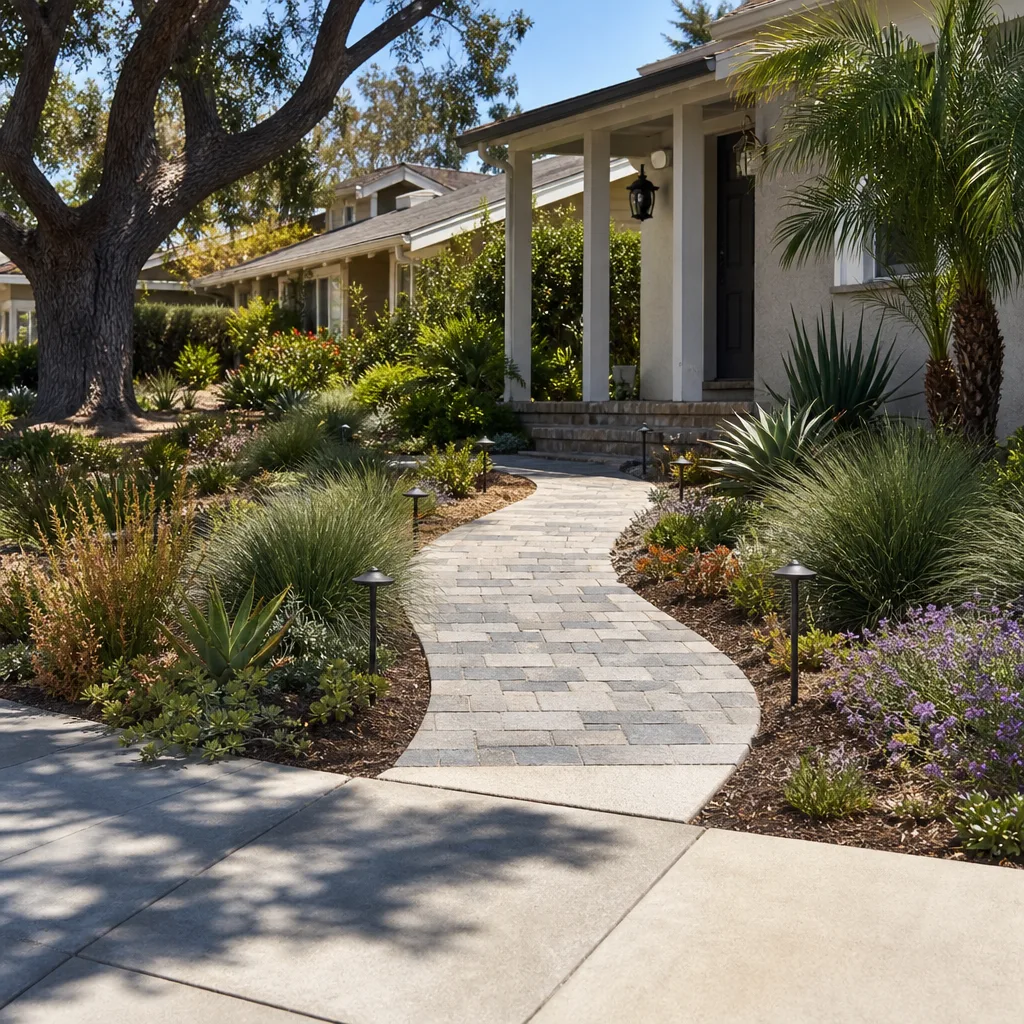
- Pavers and hardscape: Tier matters more than most people think. A denser, better-tested paver holds color and resists abrasion on an Orange driveway. Stepping down to a soft, porous paver to save a little often shows up as fading and pitting within a handful of years. The mid-to-premium tier is usually the right call here.
- Roofing shingles: The jump from entry-level to mid-tier shingles usually buys better UV and wind performance. In this climate, that’s a meaningful upgrade. Going all the way to the top tier is a design and longevity choice, not always a necessity.
- Windows and doors: Performance ratings matter more than prestige. A well-rated value brand can outperform a fancy label. Look at the ratings, not the badge.
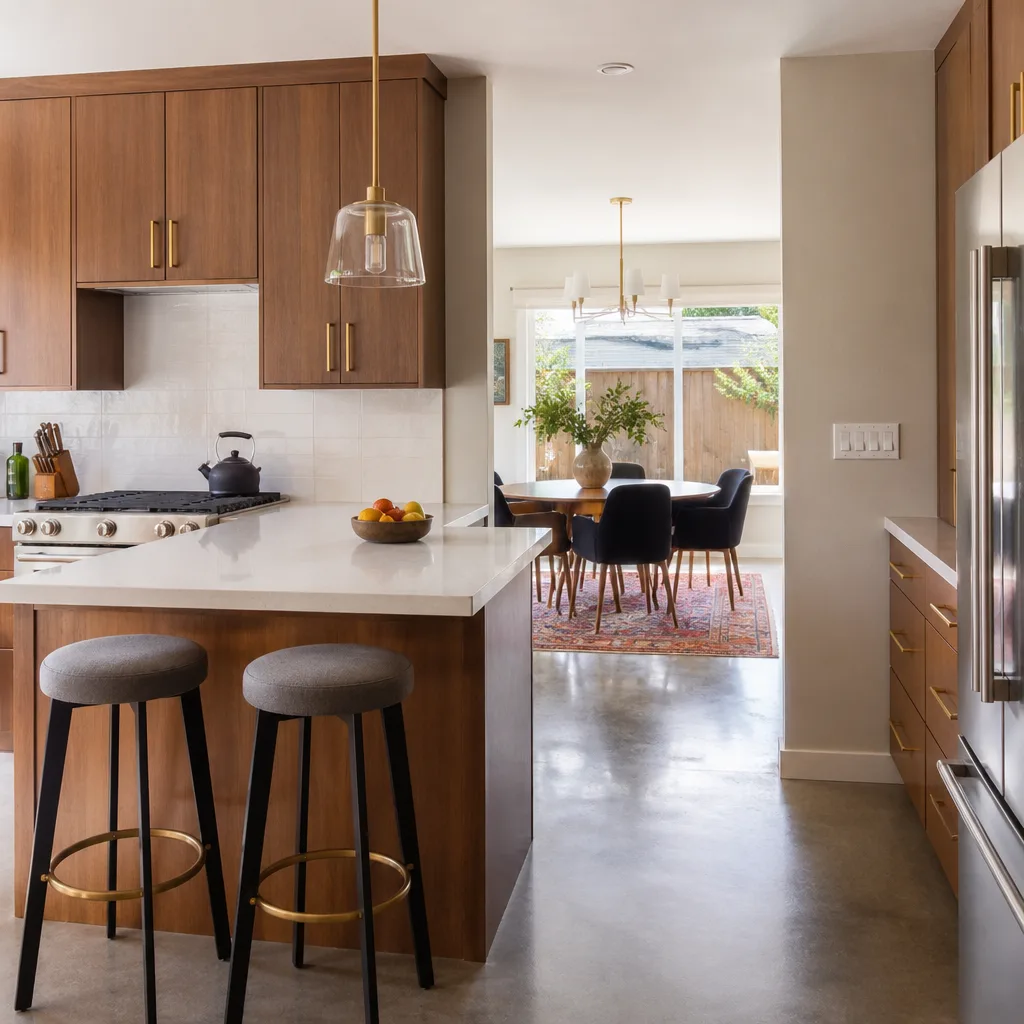
- Cabinetry: Mid-tier cabinets from a proven line often deliver the same function and finish as premium lines. The difference shows up in details like hardware, drawer construction, and finish options, so spend where you’ll see and touch it.
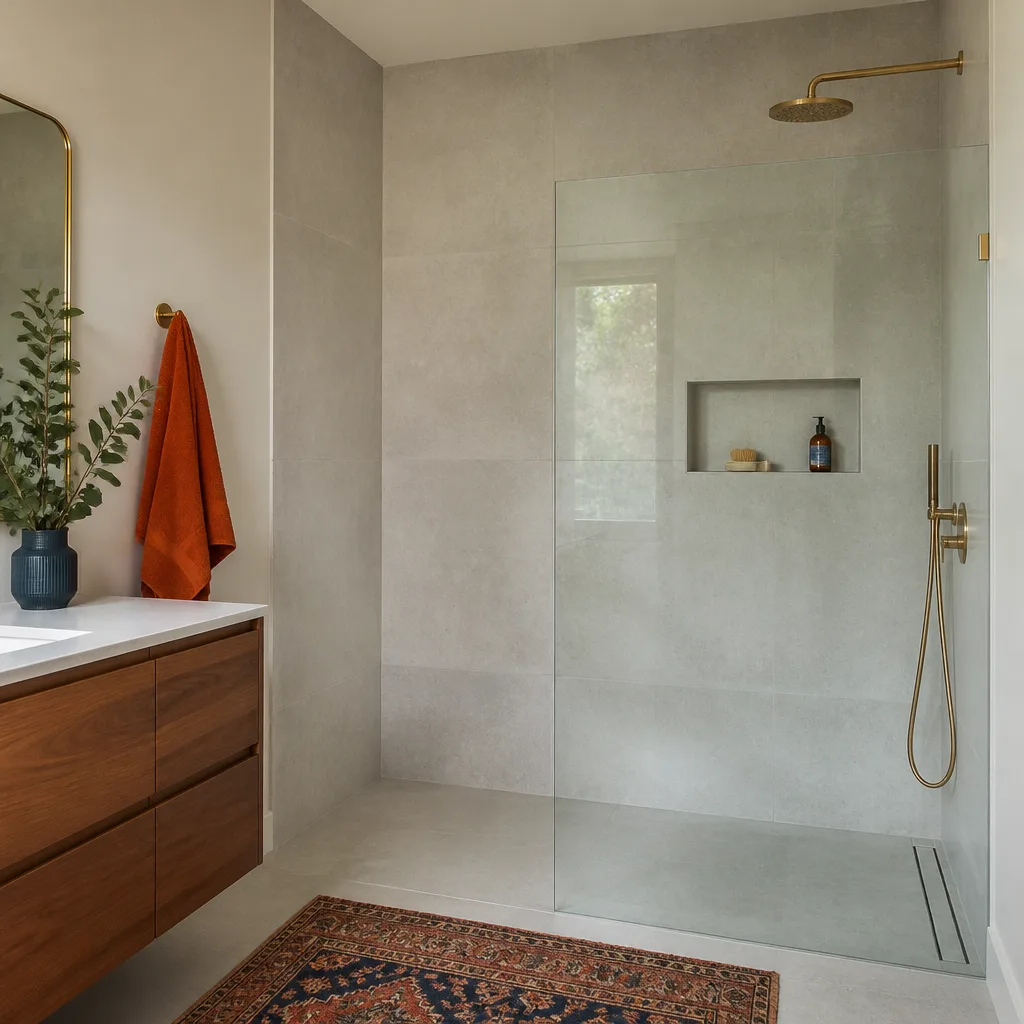
- Plumbing fixtures: Value-tier fixtures from reputable brands work fine for secondary bathrooms. Spend on the fixtures you use every day.
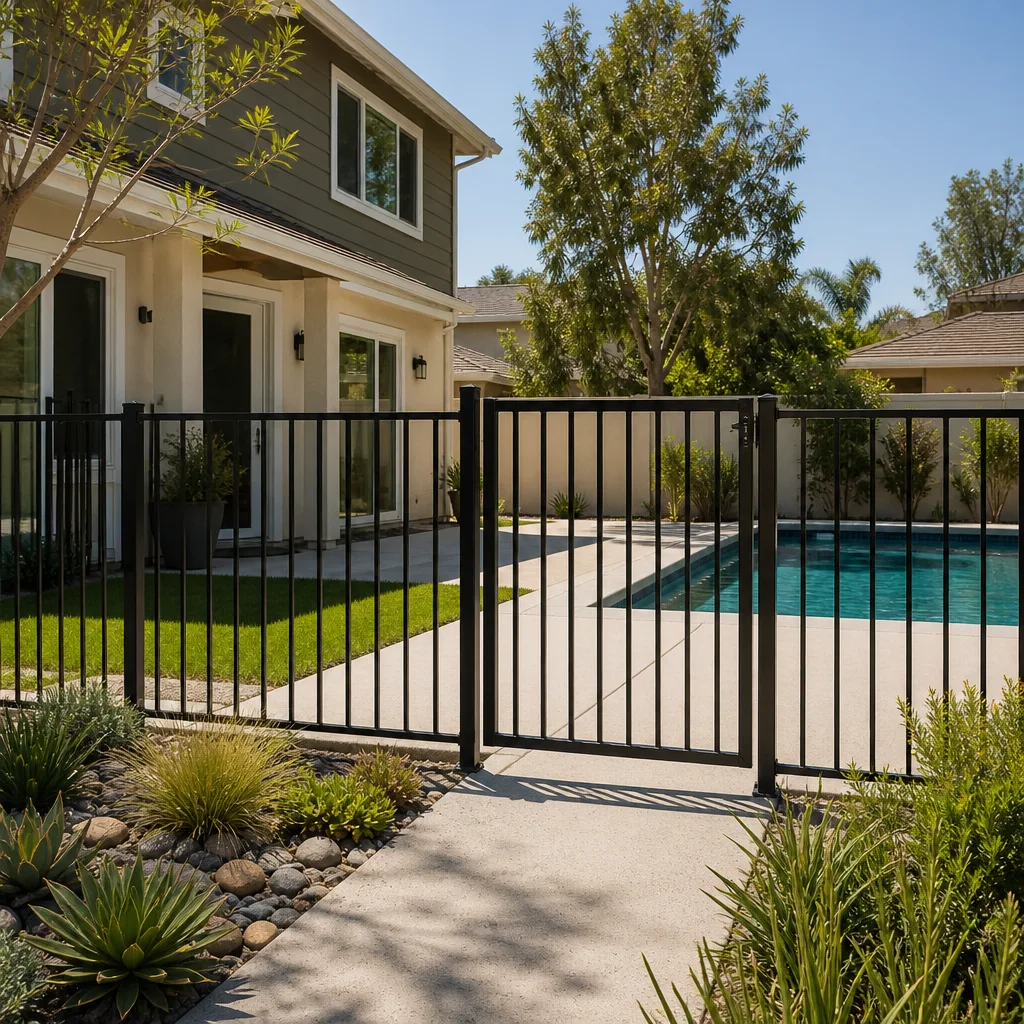
- Fencing: With a dry, sunny climate, material choice and coating quality drive longevity more than brand prestige. A well-coated steel or composite from a proven line outlasts a cheaper option that chalks and fades.
A well-chosen mid-tier line will perform for the long haul and hold up to the conditions here, often as well as a premium line for a fraction of the cost. The goal isn’t the cheapest option or the most expensive. It’s the tier where the performance data says you’re getting real value for the climate.
How to Use a GC’s Manufacturer Relationships for Better Pricing
Some brands are retail-priced. You walk into a showroom and pay what’s on the tag. Others route through contractor channels, where a general contractor with an established relationship can access pricing a homeowner can’t get on their own. On a whole-home project, that gap adds up across every trade.
A contractor with a broad, documented brand roster has leverage. When your GC works with 50-plus manufacturers across roofing, windows, doors, cabinetry, countertops, plumbing, fencing, paving, and prefab ADU solutions, the conversation about price and availability is different. The GC isn’t locked into one line. They can match the project to the brand that fits, and they have the standing to negotiate.
Here’s how to put that to work.
- Ask which brands your contractor has established relationships with. A documented roster is a real asset, not a sales line.
- Ask where contractor pricing applies versus retail pricing. Not every brand runs on the same channel.
- Get a written line-item quote naming the exact brand and product line. That’s how you compare apples to apples and see where the value sits.
- Don’t shop the same scope to three contractors and pick the lowest number. A low bid often means a hidden tier downgrade you’ll pay for later. Compare the brand and spec, not just the total.
On a multi-phase project, the savings from contractor pricing can be redirected into better materials where they matter most, like a higher-tier paver or a better-rated window. That’s the value of “one contractor, every phase” and “choose the material, then we build it.” The brand roster gives you real selection power. The relationships help keep it within reach.
Brand Selection by Service: What to Check in Each Trade
Different trades have different brand-selection priorities. Here’s what to weigh in each category for an Orange home.
Roofing
Look at UV and wind performance, and check the warranty channel. Brands like GAF, Owens Corning, and CertainTeed have deep product lines and established installer programs, which makes warranty verification straightforward. The right choice depends on your roof pitch, sun exposure, and budget tier.
Windows and Doors
Performance ratings lead here. Impact-resistant glass for security, noise control, and storm protection, along with well-rated frames from brands such as Therma-Tru and ViewLux, give you options across the price range. Check the ratings sheet, not the marketing copy.
Driveway and Pavers
Density and color stability matter most in this climate. Brands like Belgard and Techo-Bloc offer tested lines that hold up to UV and abrasion. Confirm the specific color and profile are stocked before you commit.
Fencing
Coating quality and material durability drive longevity. A proven line from a brand like Barrette or Ameristar gives you a finish that resists fading and chalking. For glass and screen components, a specialist brand like Mr-Glass can round out the design.
Kitchen and Bathroom
Countertop brands like Cambria and Silestone publish surface data worth reviewing. Cabinetry from lines such as KraftMaid and Wellborn covers the mid-to-premium range. Plumbing fixtures from Kohler, Toto, and Grohe give you real choice on the fittings you use daily.
Home Additions and ADU
Look at whole-system warranties and code compliance. Prefab and modular options from builders like Abodu, Dvele, and Mighty Buildings come with their own engineering and warranty documentation, which simplifies the review. Traditional additions rely on the same brand-selection logic as the rest of the house.
Across an addition or a home additions & ADU project, the brand decisions stack. Getting each trade’s material right from the start is how the whole build comes together without compromises.
A Step-by-Step Brand Selection Process
Here’s the sequence we use to match brands to projects in Orange. It works whether you’re planning a single service or a full-property scope.
- Define the project scope and your performance priorities. Is this a driveway that takes heavy sun, a roof that needs wind and UV protection, or a kitchen where you’ll notice the countertop every day?
- List the brands whose published specs match those priorities. Don’t start with reputation. Start with the data.
- Confirm distribution and lead time for the specific product line and color. Get it in writing.
- Verify warranty terms and installer qualifications for the Orange area. Make sure the warranty will be valid after install.
- Compare the tiers and decide where to spend and where to save. Put the money where the performance difference shows up in this climate.
- Get a written line-item quote naming the exact brand and product line. Then compare specs, not just totals.
- Sequence long-lead materials early in the schedule. Keep the project moving while you wait.
This process is the same whether you’re installing a fence or remodeling a bathroom. It protects you from the most common and most expensive mistake: choosing a brand by name and discovering its fit later.
Common Mistakes to Avoid
- Choosing by reputation alone. A brand that performs well on the coast may not hold up to Orange’s inland heat and dry air. Check the climate specs before you commit.
- Not checking lead times. A beautiful material on a six-week backorder can stall your whole project. Confirm stock and delivery windows in writing.
- Assuming the warranty covers you. Some warranties require installation by a certified dealer within a specific region. Verify before the material is ordered.
- Stepping down a tier without checking the data. Saving a little on pavers or roofing can cost a lot in fading and failures within a few years. Compare the specs, not just the price.
- Shopping the same scope to three contractors and picking the lowest bid. A low bid is often a hidden tier downgrade. Compare the exact brand and product line in each quote.
- Ignoring the sequence of long-lead items. Ordering a windows or cabinet package late in the project is a schedule trap. Get those materials moving early.
- Overlooking the installer. The best brand with a poor installation is a warranty claim waiting to happen. Look for a crew that installs to spec and stands behind the work.
See the difference
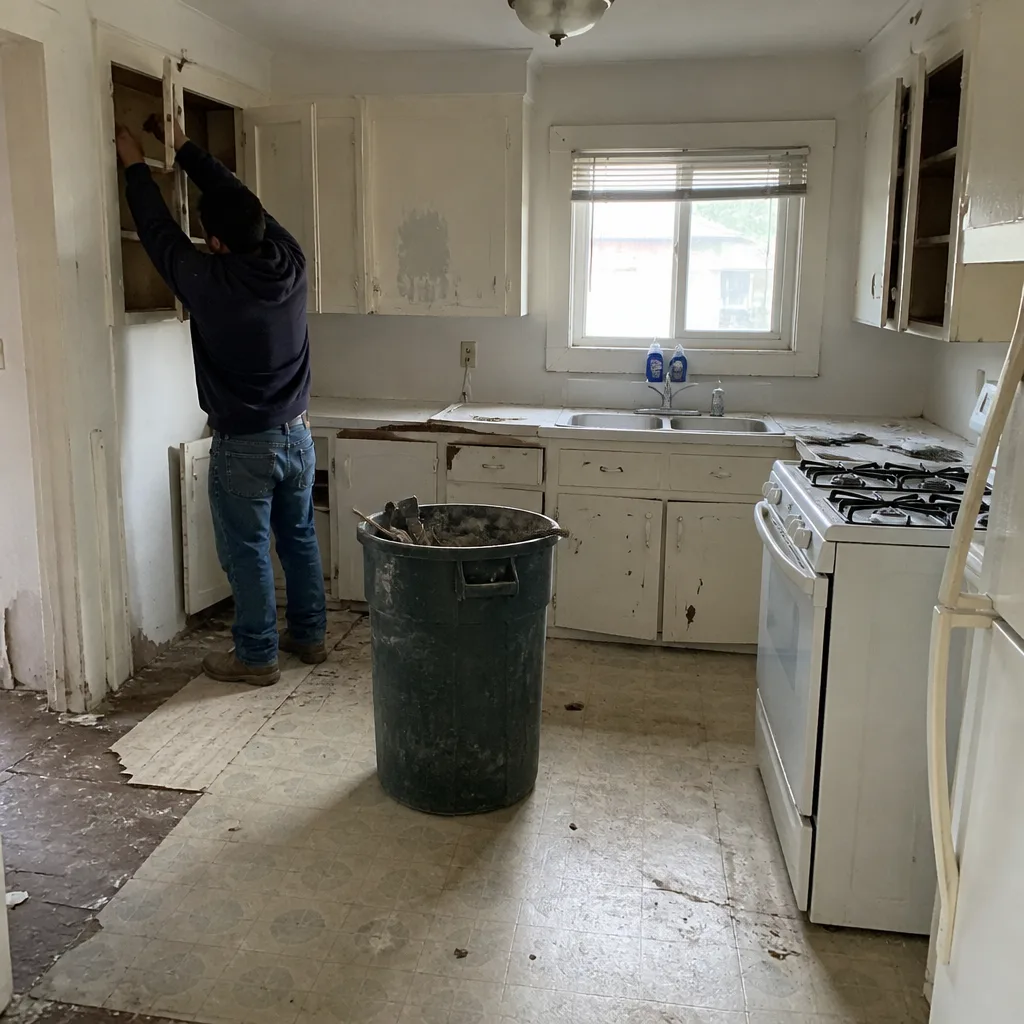 Before
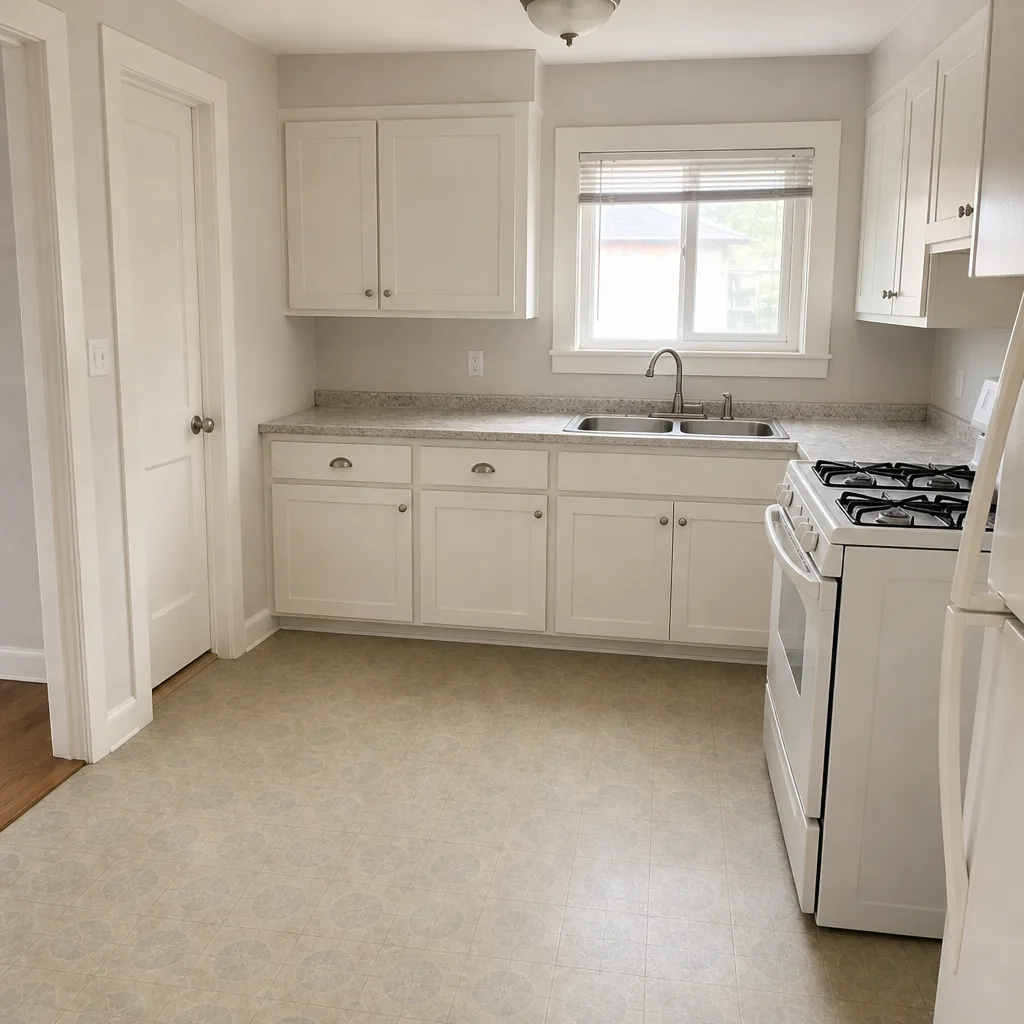 After
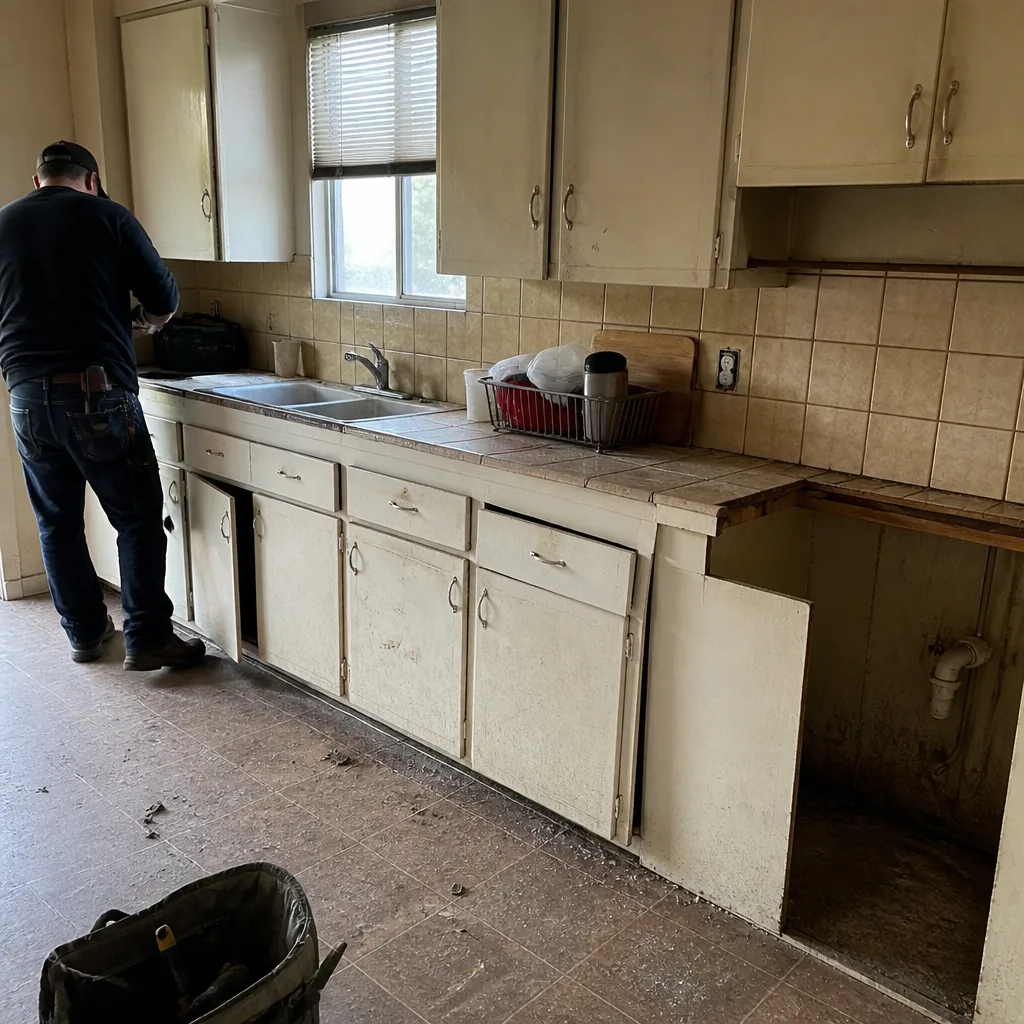 Before
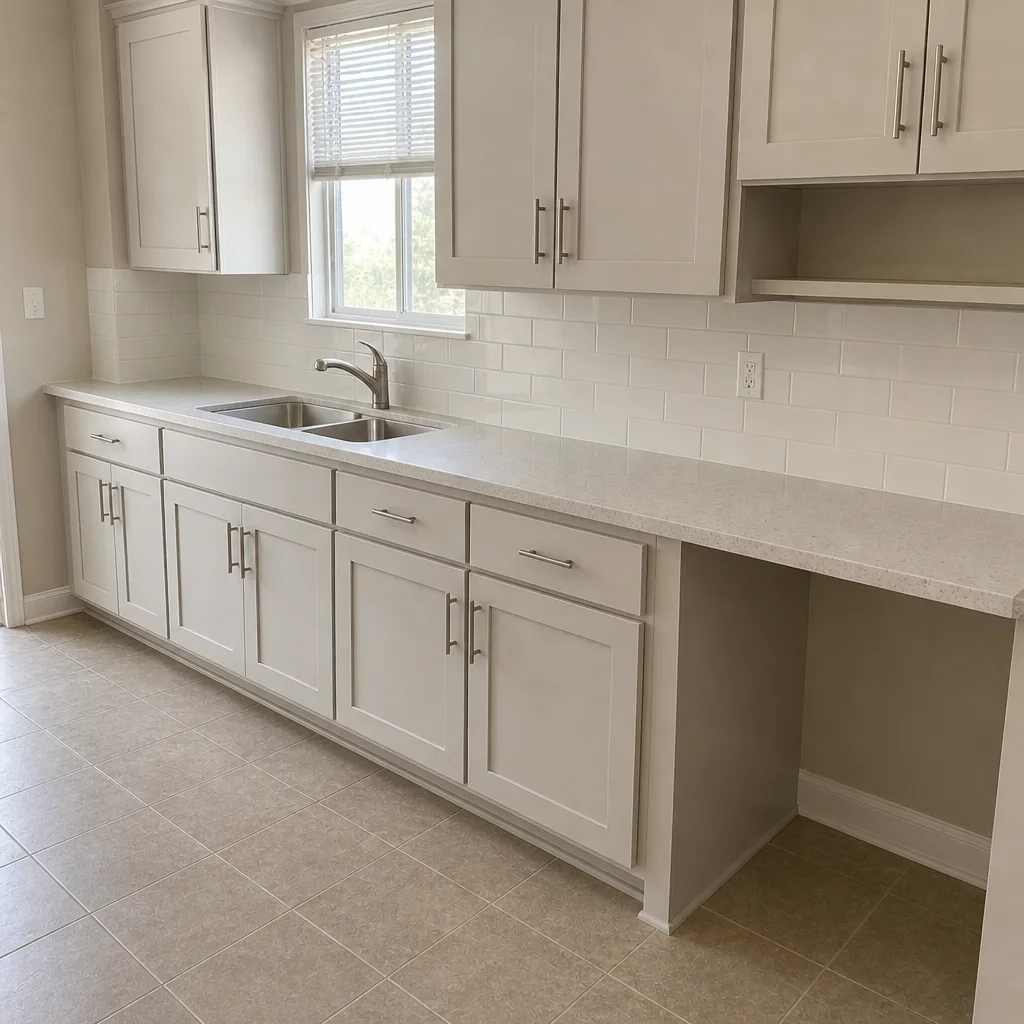 After
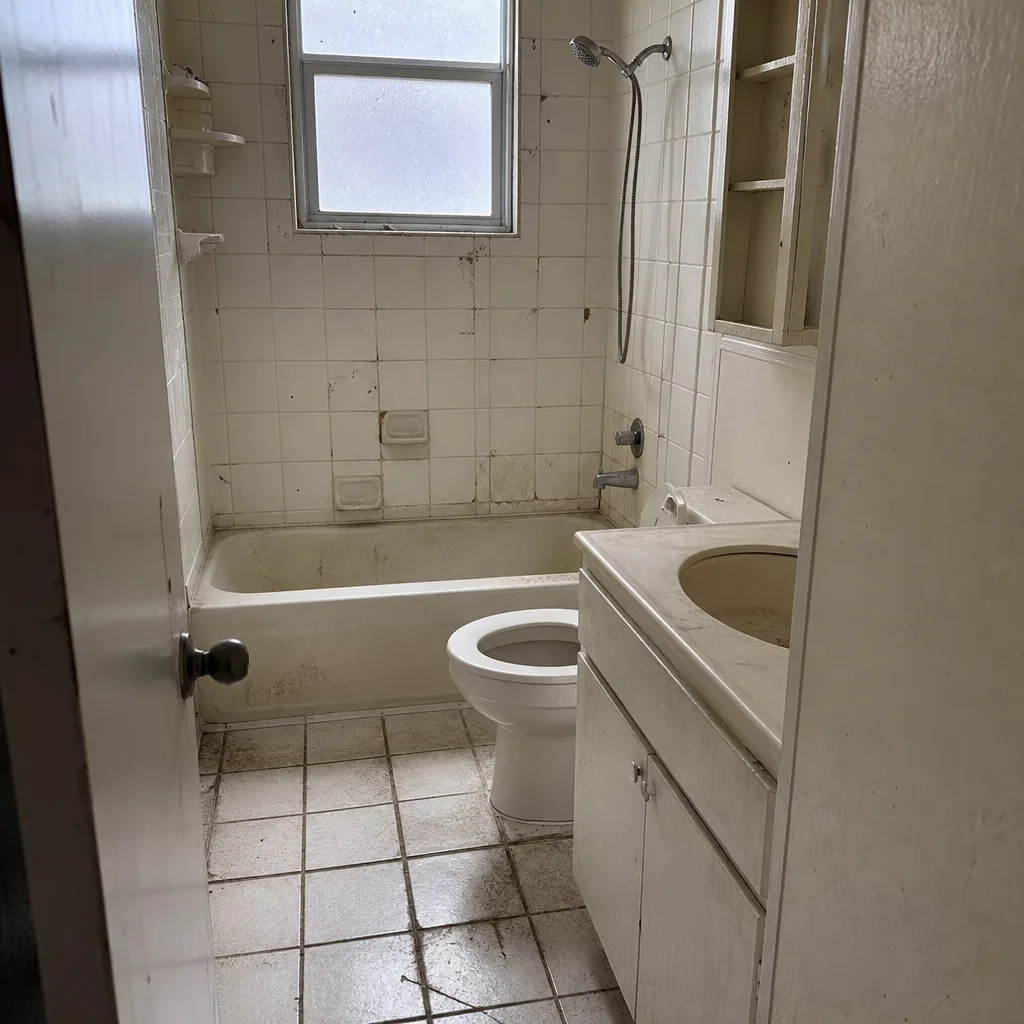 Before
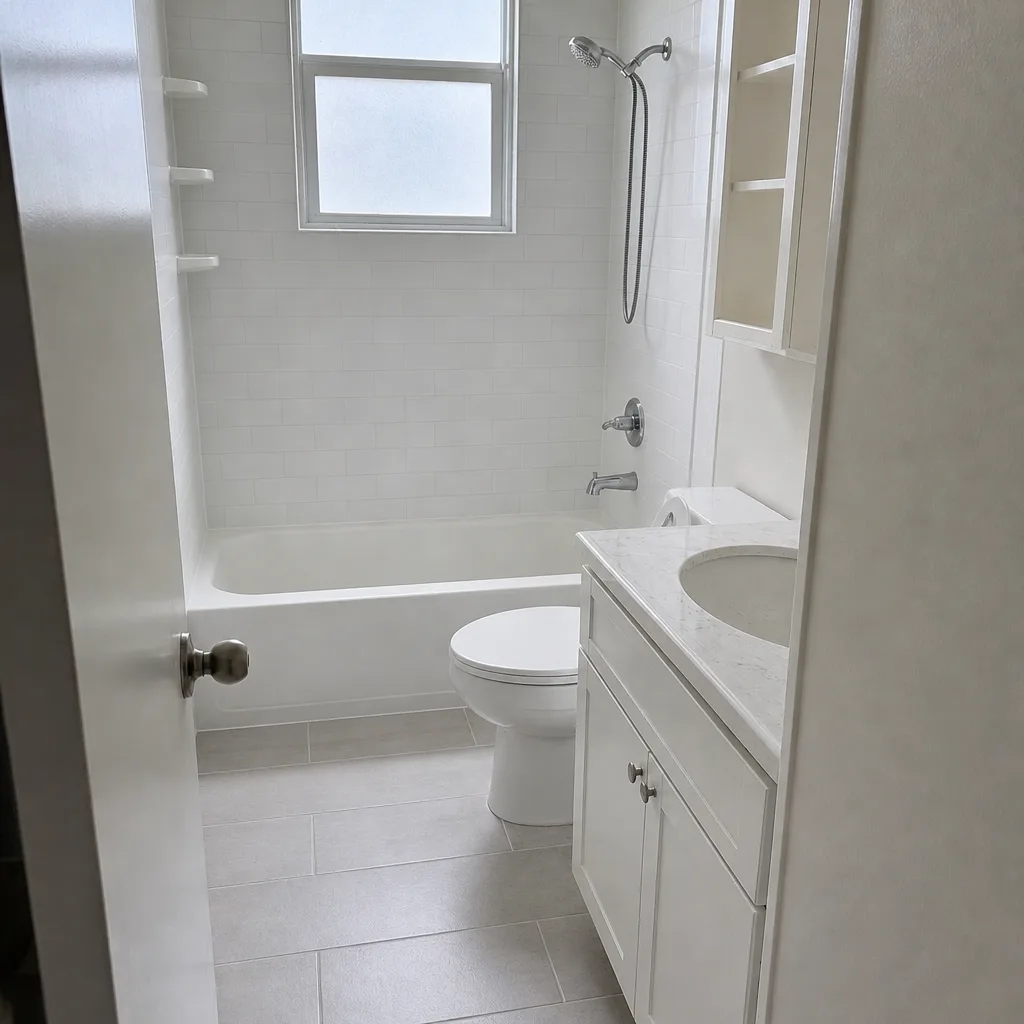 After
When to Call a Professional
Some brand questions can be answered by reading a spec sheet. Others need a contractor who knows the local distribution chain, the warranty channels, and how a specific material will behave on your lot. If you’re weighing a whole-home project, coordinating multiple trades or phases, or trying to decide which tier is worth the money in this climate, that’s the point to bring in a pro. A contractor with deep manufacturer relationships can tell you which brands are stocked locally, which ones have the right performance data for Orange, and where the warranty will actually hold up. Construction Orange offers free estimates in Orange. Call (844) 797-4821 to schedule yours. We answer 24/7. Fast dispatch from 7am to 7pm, Sunday through Friday.
Frequently Asked Questions
The best brands for an Orange home are the ones whose published performance data matches this area’s high-UV, low-humidity conditions and whose products have local distribution. Reputation alone isn’t enough. Look at UV color stability, moisture absorption, and thermal ratings, then confirm the warranty will be valid in this region. Call (844) 797-4821 for an exact quote. Estimates are free.
Orange is inland enough to see significantly more days above 90°F than coastal cities, and the air stays dry through much of the warm season. That combination stresses exterior materials differently than marine air does, especially on UV and abrasion. A material tested for a mild coastal climate isn’t necessarily tested for inland high-UV cycling. Call (844) 797-4821 to talk through which brands fit your lot.
You know by asking in writing. “In stock” and “available” aren’t the same thing. Get the actual delivery window for your specific product line and color, and confirm whether a regional warehouse stocks it. Build long-lead items into your schedule early. Call (844) 797-4821 for an exact quote. Estimates are free.
Yes. Many manufacturer warranties require installation by a certified or authorized dealer for your region. If the install isn’t done to spec, the warranty can be void, no matter how good the material is. Verify your contractor’s qualifications before you order. Call (844) 797-4821 for an exact quote.
Spend where this climate punishes cheap materials, like pavers and roofing, where UV and abrasion show up fast. You can often save on secondary fixtures and entry-level cabinetry lines without losing function. A well-chosen mid-tier line performs for the long haul. Call (844) 797-4821 for an exact quote. Estimates are free.
Often, yes. Some brands route through contractor channels with pricing a homeowner can’t access directly. A contractor with a broad manufacturer roster can match the project to the right brand and negotiate. Always compare the written line-item quote naming the exact brand and product line. Call (844) 797-4821 for an exact quote.
The Bottom Line
The right construction brand for an Orange project isn’t about prestige. It’s about matching performance specs to this area’s high-UV, dry inland conditions, confirming the brand can actually deliver on schedule, and making sure the warranty will hold up after install. Read the climate data, not just the label. Verify distribution and warranty channels before you commit. Spend where the climate punishes cheap materials, and save where it doesn’t. A fence installation or a full-property build benefits from the same discipline. Construction Orange covers the full arc, from the curb to the ridge, with 50-plus vetted brands and one accountable crew. Call (844) 797-4821 for a free estimate. We answer 24/7. Fast dispatch from 7am to 7pm, Sunday through Friday.
Written by the team at Construction Orange.