Last updated November 18, 2026
Free written scope consultation - allowances, timeline, and change-order rules on paper before a single trade is scheduled
The Complete Driveway & Pavers Guide for Orange Homeowners
Most driveway failures in Southern California start six inches underground, not at the surface. Yet nearly all the research a homeowner does before a project focuses on what goes on top: the color, the pattern, the texture underfoot. The base is what decides whether that surface still sits flat in year ten. Orange sits on expansive clay soils that swell when they take on water and shrink when they dry, and those soils punish shallow bases that work fine in other parts of the country. In this guide we walk through how deep a base really needs to be here, how each paver type holds up to Orange’s UV load and heat island effect, what local HOA rules and City of Orange permits require, and how the ten-year cost compares across materials. One contractor, every phase. From the curb to the ridge.
Quick Answer
Driveway pavers in Orange typically cost $12 to $30 per square foot installed, base preparation included, and the ground beneath the pavers matters more than the pavers themselves. Because Orange sits on expansive clay soil, a durable driveway needs a deeper, well-compacted aggregate base than national installation specs call for, plus proper drainage so the clay does not pump and shift under load. Choose the material, then we build it: the written estimate sets the final price.
Styles & brands we work with
- Kitchen remodeling
- Bathroom remodeling
- Home additions & ADU
- Roofing
- Windows & doors
- Driveway & pavers
- Fence
Table of Contents
- Why the Ground Under an Orange Driveway Matters More Than the Pavers
- Paver Materials Compared for Orange’s Climate
- How Deep Should a Paver Base Be in Orange?
- HOA Rules and CC&Rs in Orange Tract Neighborhoods
- The Driveway Apron and the City of Orange Permit Process
- Total Cost of Ownership: Upfront Cost vs. Ten-Year Reality
- Permits, Drainage, and What to Ask Before You Sign
- Common Mistakes to Avoid
Why the Ground Under an Orange Driveway Matters More Than the Pavers
A paver driveway is a system, not a surface. The pavers are the visible layer; beneath them sit a bedding course, an aggregate base, and the native soil. When that native soil moves, everything above it moves too. In Orange and across much of inland Orange County, the native soil is expansive clay. It takes on water and swells, then dries out and shrinks. That cycle repeats with every rainy season and every long dry stretch, and it is the single biggest reason driveways here crack, settle, and heave at the edges.
National installation guidelines are written for a broad range of soils. They are a starting point, not a local spec. In clay country, the base has to be thicker, the compaction has to be verified layer by layer, and water has to be moved away from the soil rather than allowed to pool under it. A paver driveway that looks flawless in year one can develop ruts and rocking pavers by year four if the base was built to a generic standard.
Three things decide how a base performs on Orange clay:
- Depth. The aggregate base has to carry the load and spread it, not just fill space under the pavers.
- Compaction. Base goes down in lifts, and each lift gets compacted before the next goes on. Skip a lift and the whole system moves.
- Drainage. Water that reaches the clay has to leave. A base that traps water turns expansive clay into a slow-moving problem.
When we evaluate a driveway site in Orange, the conversation starts with the soil and the drainage, not the color sample. That is the civil engineering decision hiding inside a materials choice.
Paver Materials Compared for Orange’s Climate
Orange’s climate puts three specific stresses on a driveway: intense UV exposure, a heat island effect that keeps pavement hot well into the evening, and the occasional cold snap that can push temperatures to freezing for a few hours. That last one is rare here, but it happens, and a material that has absorbed moisture and then faces a freeze can spall or crack. Here is how the four common paver options stack up against those conditions.
Concrete Pavers
The workhorse choice, and the one we recommend most often for Orange. Concrete pavers from Belgard, Tremron, and Unilock are manufactured to tight tolerances, hold color well under UV when the pigment is integral rather than a surface coating, and handle the occasional freeze without spalling. They are repairable: a damaged paver can be lifted and replaced without touching its neighbors. The heat island effect is real, though, and lighter colors stay measurably cooler than dark charcoal tones.
Travertine
Beautiful and cool underfoot, travertine is a natural stone with a porous surface. In Orange’s dry heat it performs well and reflects sunlight rather than absorbing it. The catch is that natural stone is less forgiving of a weak base: a travertine that rocks because the base settled will crack, and cracks in stone are not repairable the way a chipped concrete paver is. Travertine also wants sealing in this climate to keep the surface from staining and to slow UV fading.
Permeable Pavers
Permeable systems let water pass between the pavers into an open-graded base and then into the soil or a drain. On expansive clay, that is a double-edged feature. Water has to go somewhere, and if the design routes it into clay that cannot drain fast enough, you have made the problem worse. Done correctly, with an engineered base and an outlet, permeable pavers are an excellent fit for Orange lots that pond or that need to manage runoff.
Brick
Clay brick pavers bring a classic look and excellent color permanence, since the color runs through the full thickness of the unit. They handle UV and heat well. Brick is also the heaviest option per square foot and the most expensive to install, and it needs a genuinely solid base because brick is brittle under point loads. In Orange, brick is the material that most rewards a properly built base, and punishes a shortcut most visibly.
Whichever material you choose, the base and the installation method carry more weight than the brand on the box. Built to the brand’s spec, guaranteed by our crew, is how we approach every driveway & pavers project.
How Deep Should a Paver Base Be in Orange?
For a residential driveway on Orange’s expansive clay, plan on a compacted aggregate base that goes deeper than the generic national minimum. The exact depth depends on your soil, the load the driveway will carry, and how the site drains, but the principle is consistent: build the base for the worst soil you have on the site, not the average soil in a manual.
Here is how a proper base build goes, step by step:
- Excavate to depth. The native soil comes out deep enough to fit the base, bedding layer, and pavers with the finished surface landing where the design calls for it.
- Evaluate the subgrade. Look at the exposed native soil. If it is heavy clay that holds water, that drives the base depth and the drainage design.
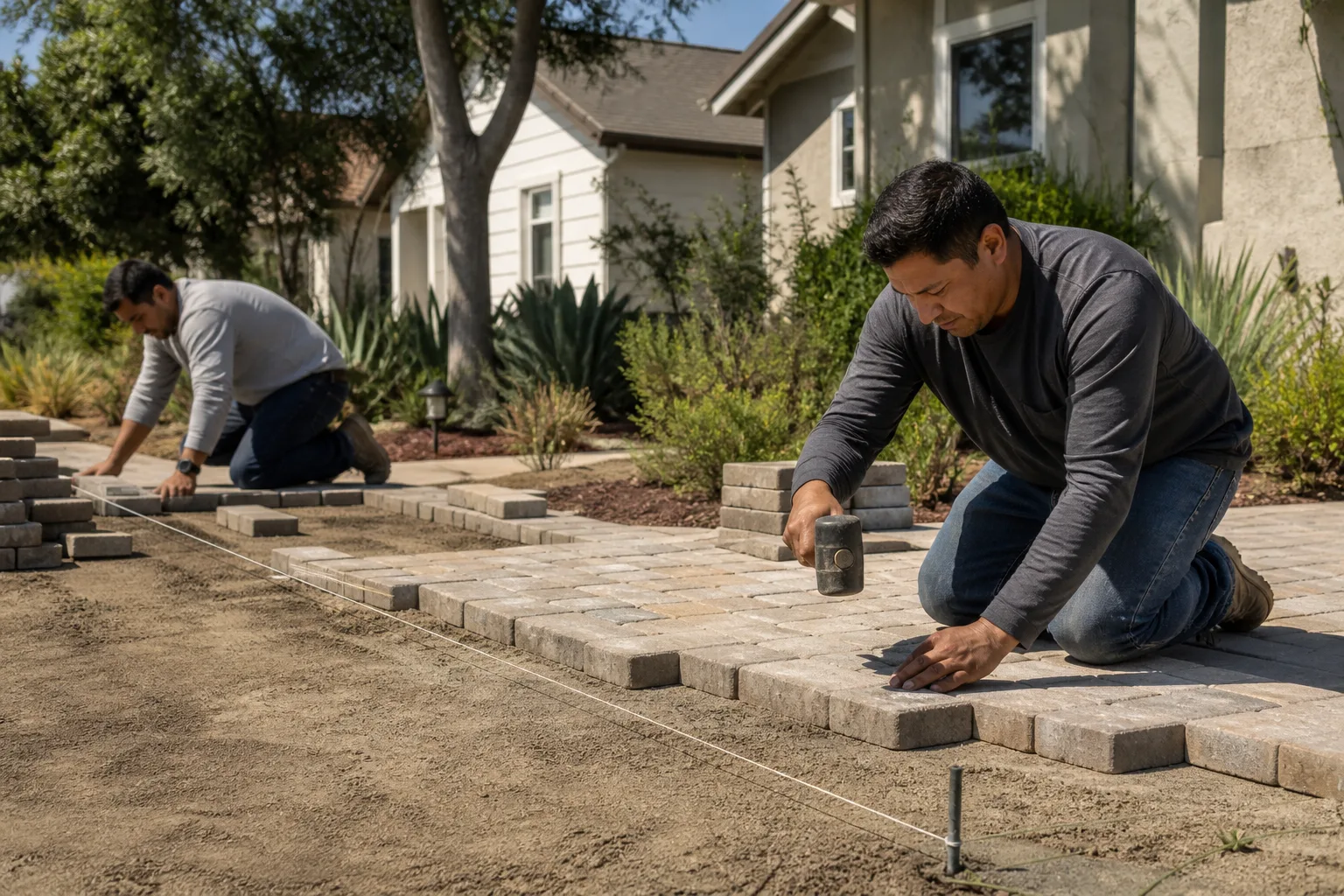
- Lay and compact in lifts. Base aggregate goes in controlled layers, and each layer is compacted with a plate compactor before the next goes down.
- Verify compaction. A dense base rings solid underfoot and resists a probe. A loose base gives under a heel.
- Set the drainage slope. The base is graded so water moves toward the street, a drain, or a designed low point, never into the foundation or a neighbor’s lot.
- Install edge restraint. An edge restraint holds the paver field from spreading under load, which is critical on a driveway.
- Lay the bedding course and pavers. A thin, screeded bedding layer, then the pavers set to the pattern, then joint sand.
- Compact and seal. A final pass with the compactor settles the pavers into the bedding, then joint sand fills the gaps.
When you interview contractors in Orange, ask two questions: how deep is the base going, and how do you verify compaction? A confident answer that mentions lifts, a plate compactor, and drainage tells you the crew understands clay. A shrug tells you the base is going to be a guess.
HOA Rules and CC&Rs in Orange Tract Neighborhoods
If your home sits in a tract neighborhood with an HOA, the color palette, pattern, and joint width of your new driveway may already be partly decided for you. Many Orange-area HOAs have CC&Rs that restrict driveway materials to a specific look, specify joint widths, and in some cases require the finish to match neighboring homes. Buying materials before you read those rules is how homeowners end up with a pallet of pavers their HOA will not approve.
Start here before you shop:
- Find your CC&Rs. The recorded documents for your association spell out driveway and hardscape restrictions. Ask the board or your property manager for the current version.
- Check the architectural review process. Most HOAs require an architectural application with a site plan, material samples, and a color swatch. Approval usually comes back as a written decision you can show your contractor.
- Confirm joint widths and patterns. Some associations specify a running bond or a specific joint width so the community looks consistent.
- Get approval in writing before ordering. Verbal approval from a board member is not an approval. Wait for the written decision.
Pavers with strong color consistency like those from Belgard and Unilock make the HOA approval conversation easier because the sample you submit is a reliable picture of the finished product. If you are also planning to replace a fence at the same time, run the same approval process before you order materials for fence installation; fence styles and heights are among the most common CC&R restrictions.
The Driveway Apron and the City of Orange Permit Process
The apron is the short transition between the sidewalk or curb and your driveway, and it is where a surprising number of paver jobs run into trouble. The apron sits in the public right-of-way, and the rules there differ from the rules on your own lot. Get this planning step wrong and your finished driveway can pass every visual check on your property and still fail inspection at the street.
A typical sequence for an Orange driveway project looks like this:
- Call the City of Orange building department early. Ask what your project requires. Most driveway replacements and new paver driveways need a permit, and right-of-way work at the apron is its own review.
- Confirm the apron specification. Ask specifically about the apron: required material, thickness, slope, and how it meets the existing sidewalk and curb.
- Schedule inspections. Base inspections and final inspections have to happen in the right order, and the inspection needs to be booked into the project timeline, not squeezed in afterward.
- Finish the surface with the apron spec in mind. Where the apron must be concrete to match the public standard, plan the transition from pavers to the apron so the joint is clean and level.
A contractor who has not dealt with right-of-way inspections in Orange before is a gamble at the apron. When we take on a driveway project, the permit is pulled before the base is dug, and the inspection sequence is built into the schedule.
Total Cost of Ownership: Upfront Cost vs. Ten-Year Reality
The sticker price of a paver driveway is the easy number to compare. The ten-year number is the one that actually matters, and in Orange’s inland climate it changes the ranking. Here is how the four materials tend to look over the long haul, using typical installed cost ranges for the Orange market. These are estimates; the written estimate sets the final price.
| Material | Typical installed cost | Ten-year care in Orange |
|---|---|---|
| Concrete pavers | $12 – $22 per sq ft | Low. Replace an individual paver if damaged; reseal every few years if you want to slow color fade. |
| Permeable pavers | $15 – $28 per sq ft | Low to moderate. The base and drainage outlet need periodic cleaning so water keeps moving. |
| Travertine | $18 – $30 per sq ft | Moderate. Sealing on a regular schedule to keep the surface protected and prevent staining. |
| Brick | $20 – $30 per sq ft | Low. Color is permanent through the unit; the main risk is base failure, which is expensive. |
The pattern is clear. Concrete pavers and brick tend to cost the least to live with over ten years, because color and surface hold up and individual units are repairable. Travertine and permeable systems can be just as durable, but they ask for more routine care. Across all four, the highest cost-of-ownership risk is a base failure that takes the entire surface out, and that risk is controlled by the base build, not the material.
Permits, Drainage, and What to Ask Before You Sign
A driveway project should arrive on your calendar as a series of clear stages, each one inspectable before the next one hides it. Written line-item quotes, fixed pricing with no change orders, permits pulled and inspections passed, and a workmanship warranty behind the install are the terms to expect from a contractor who does this as a trade rather than a side job.
Before you sign with anyone in Orange, get answers to these questions in writing:
- How deep will the base be on my soil, and how will you verify compaction?
- How is the slope set, and where does water leave the property?
- Which permits will you pull, and who is handling the apron inspection?
- Does the quote break out base, pavers, edge restraint, joint sand, and sealing?
- What does the workmanship warranty cover, and for how long?
If your longer-term plan includes a detached structure at the end of the driveway, hardscape planning pairs naturally with a home additions & ADU scope, since utility runs, drainage, and the driveway approach all interact. Our technicians have up to 12 years of experience, and the same crew that builds the driveway can carry the plan into the next phase of the property.
Common Mistakes to Avoid
- Shopping for pavers before evaluating the soil. Choosing a material and color first means the base design gets squeezed to fit the choice. Start with the site, then pick the paver.
- Accepting a base built to the national minimum. Expansive clay needs more depth and verified compaction, not a formula from a generic manual. Ask for both in writing.
- Skipping the HOA architectural application. Buying a pallet of pavers your HOA will not approve is a costly mistake, and many Orange tract neighborhoods restrict palettes and joint widths.
- Forgetting the apron. The transition at the street sits in the right-of-way and has its own rules. Plan the City of Orange permit and the apron spec before demolition day.
- Sloping water toward the house or the neighbor. A driveway that drains the wrong way creates problems on the clay that no amount of surface repair will fix.
- Choosing the darkest color available. In Orange’s heat island, dark pavers hold heat and stay hot into the evening. Light tones perform better and age more gracefully.
- Never sealing a porous stone or permeable system. Travertine and permeable pavers need routine care to stay in shape, and skipping it shortens the lifespan of the material you paid a premium for.
See the difference
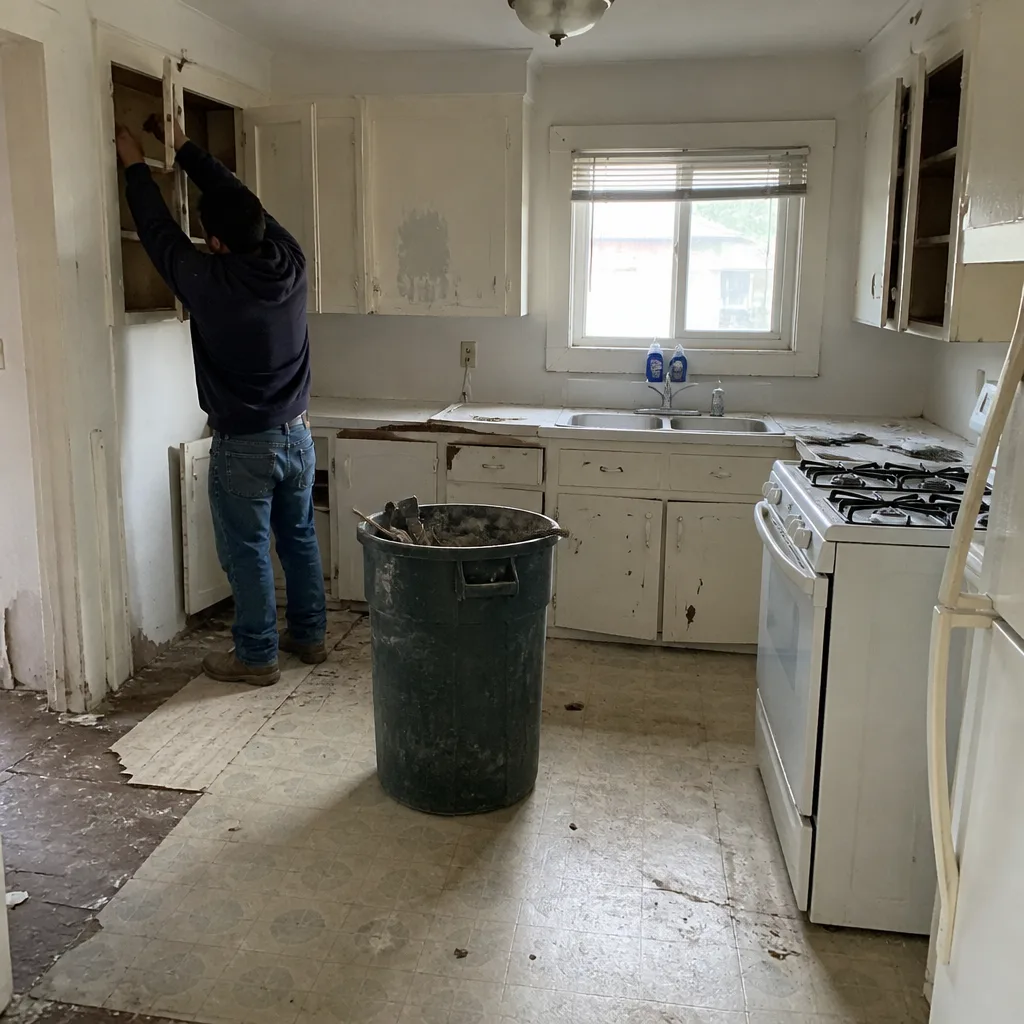 Before
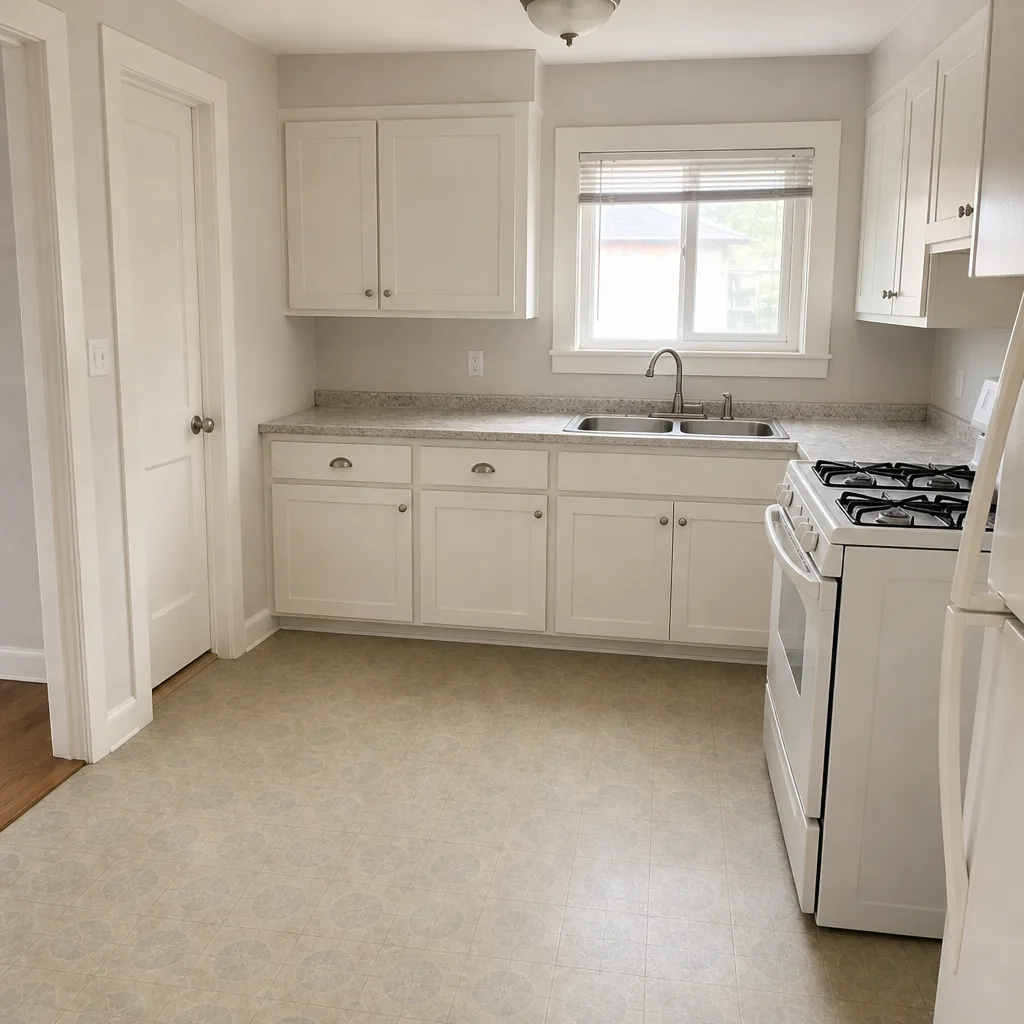 After
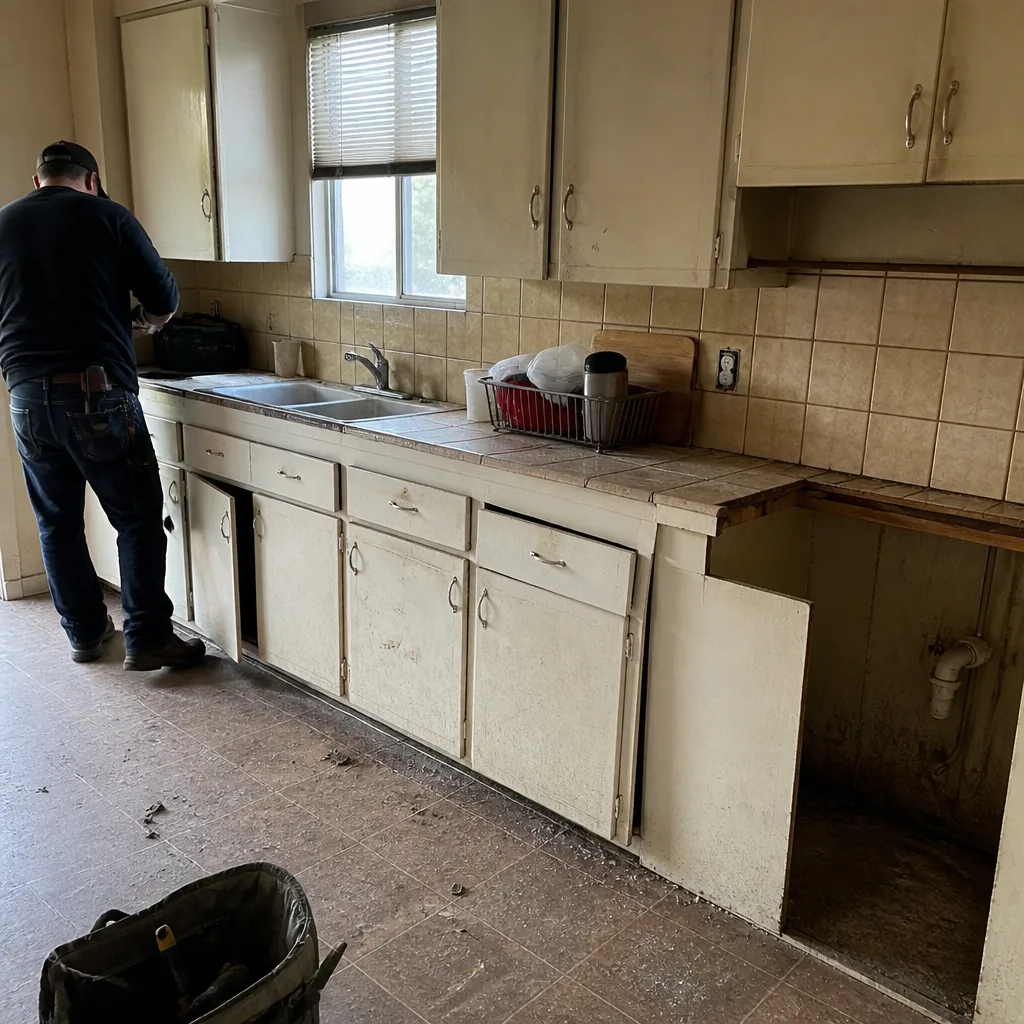 Before
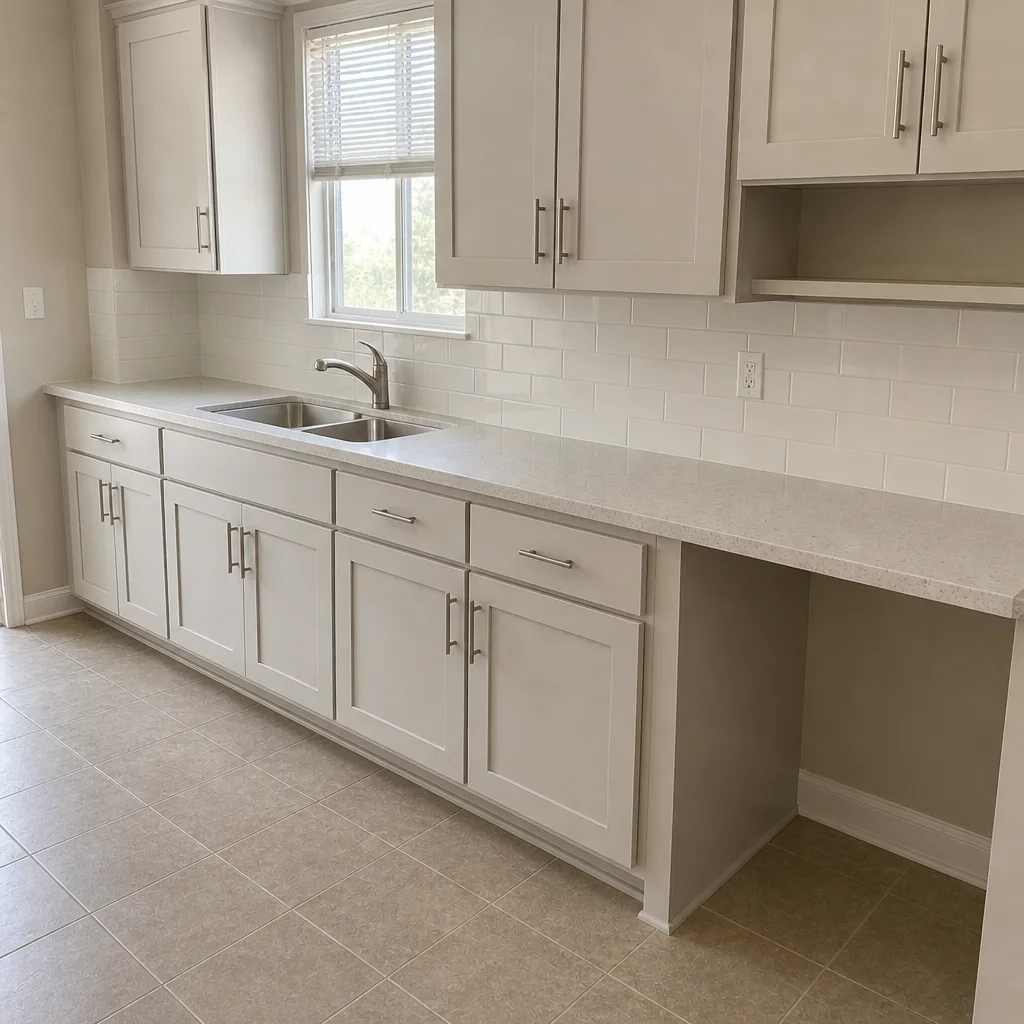 After
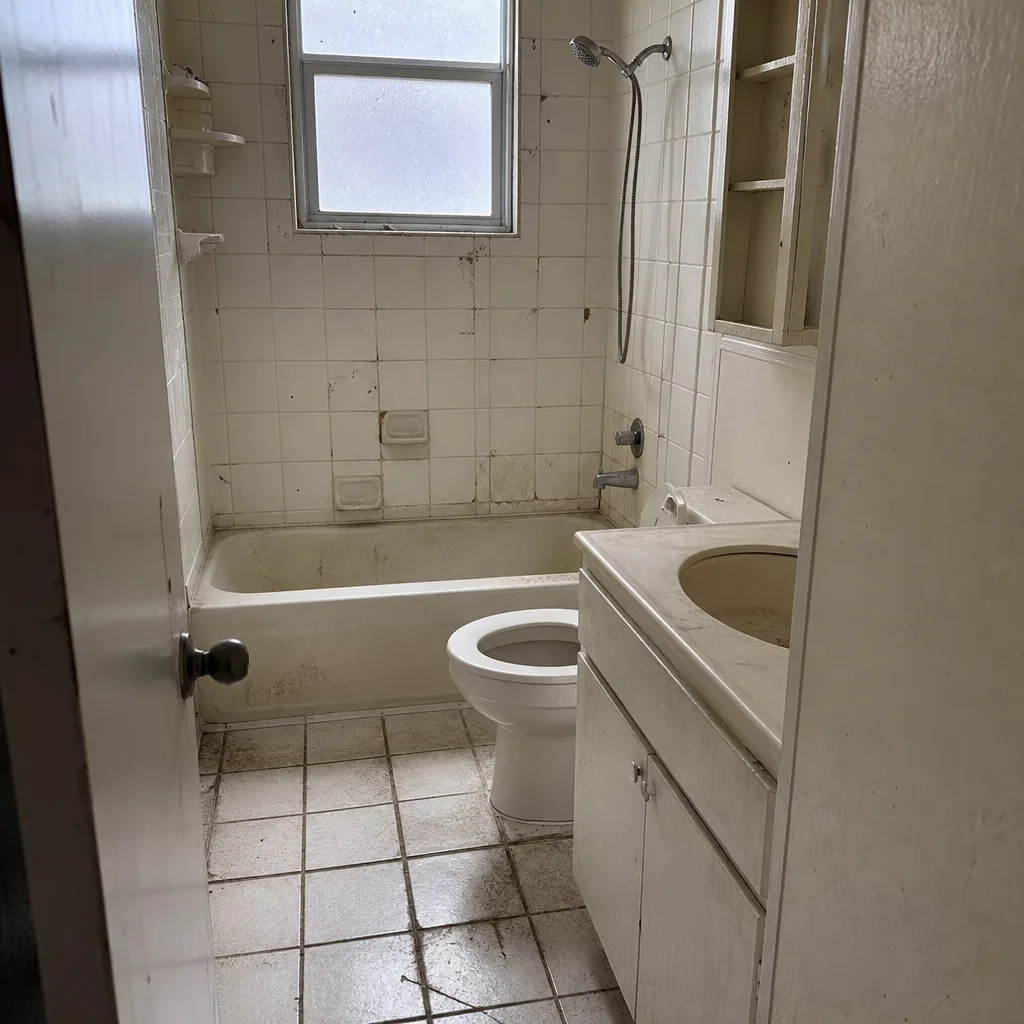 Before
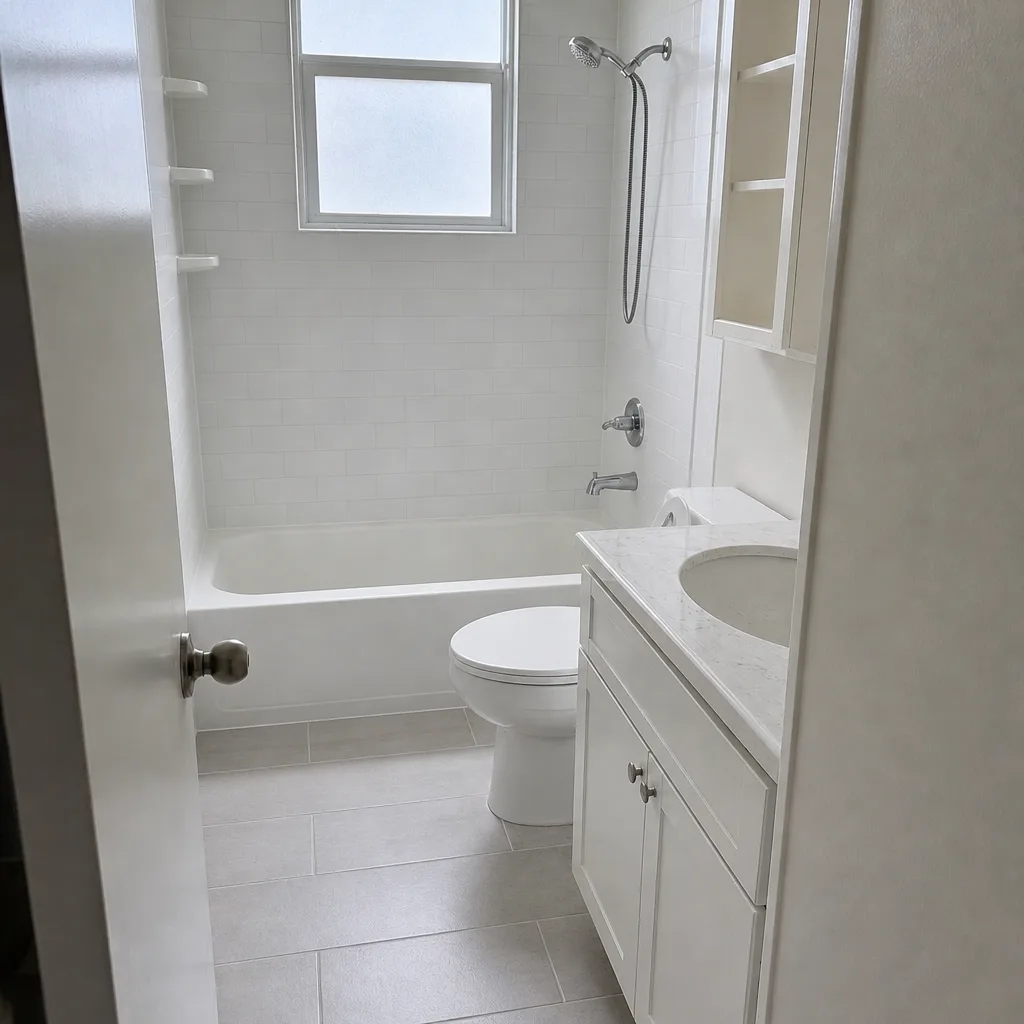 After
When to Call a Professional
If your existing driveway has already settled into low spots, if pavers are rocking underfoot, or if water pools against the garage or the house, a surface patch will not solve it: the base is the problem, and the base has to be rebuilt. Call a professional if your project needs a permit or touches the apron, if your HOA has strict material rules, if your lot slopes, or if you want a hardscape that ties into a fence, porch, or ADU plan down the road. Construction Orange offers free estimates in Orange. Call (844) 797-4821. We answer 24/7. Fast dispatch from 7am to 7pm, Sunday through Friday.
Frequently Asked Questions
A paver driveway in Orange typically runs $12 to $30 per square foot installed, depending on the material and the base work. Concrete pavers sit at the lower end and brick, travertine, and permeable systems sit higher. Call (844) 797-4821 for an exact quote; estimates are free.
Most failures start in the base, not the surface. Expansive clay swells with moisture and shrinks as it dries, moving the base and the pavers above it. The fix is a deeper, compacted base with proper drainage, which is why we evaluate the site before recommending a material.
Deeper than the generic national minimum, and the exact depth depends on your specific soil and drainage. What matters most is that the base is laid in lifts, compacted and verified, and graded to move water away from the house. Ask any contractor to state the depth in writing. Call (844) 797-4821 to get that in an estimate.
Most driveway work does require a permit from the City of Orange, and the apron at the street usually gets its own review because it sits in the public right-of-way. Ask the building department about your specific lot before you start. We pull permits and build inspections into the schedule; call (844) 797-4821 to talk through the process.
Most HOAs want an architectural application with samples, a color swatch, and a site plan, and many restrict palettes and joint widths. Get written approval before ordering materials. If the rules are unclear, call (844) 797-4821 and we can help you put the right documents together for the review.
No, we are closed Saturday. We’re open Sunday through Friday, 7am to 7pm, and driveways are scheduled as planned work with permits and inspections built in. Call (844) 797-4821 to book an estimate into the next opening.
Concrete pavers with integral pigment and clay brick both hold color well under strong UV, and lighter tones reduce the heat island effect. Travertine reflects sunlight and stays cool underfoot but needs sealing. Call (844) 797-4821 and we’ll walk through materials for your lot.
The Bottom Line
The ground beneath an Orange driveway decides how it ages. Expansive clay punishes shallow bases, so the base depth, the compaction, the drainage, and the apron inspection are the decisions that matter most. On top of that, choose a material that fits the climate and your HOA: concrete pavers and brick tend to be the longest-lived and lowest-care options for Orange, while travertine and permeable systems offer real advantages with more routine maintenance. Get the permit and the HOA approval before you buy. One contractor, every phase, from the curb to the ridge. For a free, written estimate in Orange, call (844) 797-4821. We answer 24/7. Fast dispatch from 7am to 7pm, Sunday through Friday.
Written by the team at Construction Orange.