Last updated November 18, 2026








Free written scope consultation - allowances, timeline, and change-order rules on paper before a single trade is scheduled
Seasonal Construction Care for Orange: Year-Round Homeowner’s Guide
Most homeowners think of maintenance as a spring ritual: clean the gutters, check the roof, call it done. In Orange, that mindset misses the point. Our calendar doesn’t run on four classic seasons. It runs on four distinct stress windows that show up in a predictable order every year, and each one works on a different part of the house. Santa Ana winds hit fences and rooftops. The winter rain months test every seam and slope around the property. Summer heat bakes caulk and sealer until they fail quietly. The spring dry-out reveals what the wet season loosened. A home that gets checked against each window stays ahead of the expensive stuff. This guide walks through all four, in the order they arrive, so you know what to look at and when.
Styles & brands we work with
- Kitchen remodeling
- Bathroom remodeling
- Home additions & ADU
- Roofing
- Windows & doors
- Driveway & pavers
- Fence
Quick Answer
Year-round construction care in Orange means matching your inspections to four local windows rather than four seasons: a pre-Santa Ana check in September for fences, roofing fasteners and loose pavers; a pre-rain check in November for gutters, downspouts and driveway drainage; a post-rain inspection in March for efflorescence, stucco cracks and retaining wall weep holes; and a summer heat check in May for roof coating, caulk and paver sealer. Each window targets the failure that the coming weather will expose, and doing them in order costs far less than repairing the damage after a failure.
Table of Contents
- Why Orange Needs Its Own Maintenance Calendar
- The September Window: Pre-Santa Ana Wind Prep
- The November Window: Pre-Rain Water Management
- The March Window: Post-Rain Inspection Protocol
- The May Window: Summer Heat Prep
- How to Build a Rolling 12-Month Maintenance Log
- Common Mistakes to Avoid
- When to Call a Professional
- Frequently Asked Questions
- The Bottom Line
Why Orange Needs Its Own Maintenance Calendar
Orange sits in a climate that most national maintenance checklists weren’t written for. Rain is concentrated into a short stretch in December through February, and the rest of the year is dry. That dry stretch is the problem. A long run of sunny months lets small failures sit unnoticed because nothing is pushing water into them. A flashing detail that’s lifted slightly, a hairline crack at a stucco joint, a paver that’s settled a quarter inch until it holds a puddle: none of these announce themselves in July. They announce themselves in December.
The other local force is wind. Santa Ana events bring strong, dry gusts that load fences, roofs and anything loose on the ground, and they arrive after months of baking that have dried out wood and hardened sealants. The combination is what does damage. A post that’s been in dry soil all summer has less grip when a gust hits it. A shingle tab that’s been heat-cycled for months is more likely to lift. So the work isn’t about being cautious. It’s about closing the specific vulnerabilities before the specific weather that exploits them.
That gives us a calendar that actually functions in Orange:
- September: pre-Santa Ana inspection of fences, roofing fasteners and loose hardscape.
- November: pre-rain gutter, downspout and drainage verification before the wet months.
- March: post-rain sweep for efflorescence, stucco cracks and retaining wall drainage.
- May: summer heat prep for roof coating, exterior caulk and paver sealer.
Each one is a short, focused list. None of it requires a project. What it requires is doing the checks in the right order, in the right month, so a small fix stays small. When the checks do turn up something bigger, that’s the point at which a proper estimate makes sense. We’ll cover how to build the paper trail for that later in this guide, because a clear maintenance log is the single best tool for keeping future work scoped and priced correctly. If you’d rather start with the full picture of what Construction Orange covers across the property, the scope runs from the driveway to the ridge and back inside.
The September Window: Pre-Santa Ana Wind Prep
September is your last clean shot at the exterior before the wind season, and the goal is simple: find everything that a strong gust could grab, move or tear loose. Walk the property with a notepad in hand and cover the three structures wind hits hardest.
- Fence post inspection. Push each post near the top and watch the base. A small flex is normal; movement where the soil line opens up around the post is not. Check for split rails, popped fasteners and any hardware that’s rusted or pulled. Wood dries and shrinks through the summer, so September is when a loose connection is most visible.
- Roofing fastener and edge audit. From the ground with binoculars, look at the ridge line, the perimeter edges and the field of shingles or tiles for lifted or curled pieces. Any area where the material looks uneven or a piece looks like it’s sitting above its neighbor deserves a closer look from a trained eye.
- Loose hardscape identification. Walk the driveway and any paver area and check for rockers, settled sections or joints that have opened. A paver that moves underfoot before wind season is a paver that shifts further during it.
- Loose objects and attachments. Trim back any tree limb that overhangs the roof, secure patio covers and shade structures, and clear the ground of anything a gust could turn into a projectile.
Our technicians have up to 12 years of experience reading these signals, and the pattern is consistent: the homes that have trouble in a wind event are the ones where a fence section, a ridge shingle or a paver field was already slightly loose going in. The wind doesn’t create the failure; it finishes it. September is the window to catch it while it’s still a repair rather than a replacement. If the inspection turns up a fence that’s at the end of its life, fence installation work is best planned in this window so the new structure is settled before the gusts arrive.
The November Window: Pre-Rain Water Management
By November, the dry season is over and the rain is coming. Everything in this window is about moving water away from the house on purpose, before the rain decides for you. This is the single highest-value inspection of the year in Orange, because the December through February rain concentration means the wet season can deliver a lot of water in a short stretch.
Start with the roof drainage. Older Orange neighborhoods have mature tree canopy, and that canopy deposits material into gutters and downspouts all fall. A blocked gutter doesn’t just overflow; it sends water down the fascia and against the foundation. So the November list is:
- Clear gutters and downspouts completely. Remove debris by hand, then run water through each downspout to confirm it flows freely all the way to the discharge point.
- Check that downspouts discharge away from the structure. Water that empties right at the foundation is water you paid to move off the roof and then set loose where it does the most harm.
- Verify the driveway drainage slope. Walk the driveway after a light rain or with a hose and watch where the water goes. It should run to a drain, a swale or the street edge, not pool against the garage or the house. A driveway that’s settled or heaved over the summer will show itself here, and correcting the slope is far cheaper than repairing water damage at the sill.
- Check the yard drainage. Confirm that any area that holds water in a storm has a path out, and clear drains, grates and channels of summer debris.
- Look at the paint, caulk and trim on the windward walls. Water finds gaps first. Any caulk joint that’s cracked or any trim that’s separated is a path for rain into the wall assembly.
Hardscape work fits naturally into this window too. If the driveway needs more than a patch, or the paver field has settled in a way that’s holding water, driveway & pavers work planned in November gets the drainage right before the wet months, using brands like Unilock, Tremron or Techo-Bloc to match the existing field or take the opportunity to reset the design. The point of the November inspection is to give you the information to decide, with time to act on it. A written, line-item estimate in hand in November means you’re not making that call in a hurry in January.
The March Window: Post-Rain Inspection Protocol
March ends the wet months, and the job now flips from preventing water damage to finding it. This is the inspection that pays for itself, because the wet season leaves evidence on the surfaces and the question is simply whether you go look. Three signals matter most in Orange.
- Efflorescence on hardscape. A white, chalky film or powder on pavers, concrete or masonry is efflorescence: mineral salts that migrate to the surface as water moves through and evaporates. It’s common after the wet season and it’s not always a problem, but where it appears repeatedly in the same area it can point to moisture moving through that piece of the assembly. Note where it shows up so you can track whether it recurs.
- Stucco hairline cracks. Fine cracks are normal as a stucco wall goes through wet and dry cycles. What matters is following them: a crack that stays hairline is a watch item, while one that has widened, or that you can trace back to a window or door corner, needs a closer look. Catching them in March, while the wall is still cool and shaded, makes them easier to see and easier to repair before summer heat widens them.
- Retaining wall weep hole function. Weep holes exist to let water out of the soil behind a retaining wall. If they’re clogged, water builds pressure against the wall. Check that each weep hole is open and that water isn’t pooling or running over the wall’s face instead of draining through it. A wall that’s leaning or bulging is a safety concern and should be evaluated promptly.
The March sweep is also when you’ll see any interior signs the wet season produced: a stain on a ceiling, a soft spot on a sill, paint that’s bubbled near a window frame. Those are the discoveries that, left alone through the dry months, grow into a much larger repair. In our experience, the homes that come out of a wet season clean are the ones where somebody walked the property in March and wrote it down. The rest find out in December.
The May Window: Summer Heat Prep
May is the reverse of September: instead of chasing what the wind will tear loose, you’re chasing what the sun will bake until it fails. Summer heat is a slow, patient force, and it works on sealants, coatings and finishes. The May checklist is short and visual.
- Cool-roof coating condition. If the roof has a reflective or coating system, walk the visible areas and look for chalking, fading, bare spots or areas where the coating has worn through to the substrate underneath. A coating that’s failed in patches loses its function and traps heat. Note the pattern and extent.
- Exterior caulk softening inspection. Press a fingernail into the caulk joints around windows, doors and trim. Caulk should feel firm and stay bonded; if it’s soft, sticky, cracked or pulling away from one surface, the summer heat will finish it off. This is the cheapest item on the whole year’s list to address.
- Paver sealer UV degradation check. If the driveway or patio has a sealer, watch how water behaves on it. When a sealer breaks down under UV light, water stops beading and starts soaking in, and the color begins to look uneven or chalky. That’s the signal the sealer needs attention before another summer of sun.
- Roof access planning. Note any area of the roof that will be in full sun through the summer and may need a mid-season look. Moisture problems often reveal themselves as heat-driven interior symptoms, like a stain or a warm patch, which are easier to trace when you know which roof area sits above them.
The May window is also a smart time to look forward at bigger projects. Summer is when homeowners start planning additions and interior work, and getting an early read from a contractor keeps the schedule and budget calm. If an addition is on the horizon, home additions & ADU projects benefit from being scoped in the spring, when the design questions can be worked out before the permit and build phases. It’s the same logic as every other window: do the thinking while the pressure is low.
How to Build a Rolling 12-Month Maintenance Log
The single most useful thing you can do for your home’s long-term value isn’t a repair. It’s a simple written record. A rolling 12-month log of what you checked, what you found and what you did gives every future contractor a head start and keeps you from paying twice for the same investigation. It also prevents double-work: the roofer who knows the flashing was checked in November and the caulk was replaced in May won’t spend your estimate money re-diagnosing what’s already documented.
Here’s how to build one that actually gets used:
- Pick one notebook or one shared document. Paper on a shelf or a single phone note. Complexity is the enemy of a log that survives.
- Write the four windows into the calendar. September, November, March, May, with a short list of the checks for each window. That’s your annual prompt.
- Log every inspection the same way: date, area, what you saw, what you did. “November: cleared north gutter, downspout flowing, caulk at west window cracked, replaced” is enough. Specifics beat paragraphs.
- Photograph anything you note. A photo of a stucco crack in March next to a photo of it in November tells you instantly whether it’s growing. That comparison is worth more than any verbal description.
- Keep receipts and warranties in the same file. Manufacturer warranties on roofing, windows and doors attach to the installation, so a record of what was done and when is what makes a claim possible. That’s part of the value of working with a contractor who documents the brand and the spec, which is why we hold to “built to the brand’s spec, guaranteed by our crew.”
- Hand the log to anyone who quotes work on the property. A contractor scoping future work can read it, ask better questions and return a tighter estimate. It’s the difference between a bid built on guesswork and one built on facts.
In our experience, the homes with a decent log save real time and real money on scope. When someone sits down with a written estimate, the log answers most of the questions before they’re asked. That’s a big part of why we insist on free estimates with a written, line-item quote: the clearer the record on both sides, the less room there is for change orders later.
Common Mistakes to Avoid
- Running a spring-only checklist. A single annual inspection misses the specific Orange windows. Santa Ana wind prep in September and pre-rain drainage in November catch things a spring check would already be too late for.
- Clearing gutters once and calling it done. Orange’s mature tree canopy drops material all fall, and a gutter that’s clear in May can be loaded by November. Clear them before the rain, every year.
- Ignoring a settled paver or a driveway puddle. A low spot that holds water is a slope problem, and the wet months will keep pushing water into the same place. Correcting the slope early costs far less than repairing what the water damages.
- Assuming a hairline crack is harmless because it’s hairline. Some are. But a crack near a window or door corner, or one that widens between inspections, is worth a professional look. The log is what tells you which one you’re looking at.
- Skipping the March post-rain sweep. The wet season leaves evidence, and if you don’t go find it in March, you find it in December when the next round of rain turns a small leak into a big one.
- Letting caulk fail for a season. Soft or cracked exterior caulk is the cheapest thing on the entire maintenance list to replace and one of the most expensive to ignore, because water gets behind it into the wall assembly.
- Hiring for a big scope without a written quote. A vague verbal estimate on a project scale invites change orders. Insist on a written, line-item estimate with no change orders once the scope is set.
When to Call a Professional
Most of what’s in this guide is a homeowner walking the property with a notepad. A few things are not. Call a professional when you find a fence post that moves at the soil line, roof materials that are lifted or uneven, stucco cracks that are widening, a retaining wall that’s leaning or bulging, or any interior sign of moisture that the wet season produced. Roof and height work in particular is not a do-it-yourself task; falls are the serious risk on any roof inspection, so let a trained technician get on the roof and report back. Electrical and gas issues should always go to a licensed professional. For hardscape, roofing, fencing, windows, additions and interior remodels, a proper inspection turns a question into a written, line-item estimate you can act on. Construction Orange offers free estimates in Orange, and our technicians have up to 12 years of experience reading exactly these seasonal signals. Call (844) 797-4821 to schedule yours.
Frequently Asked Questions
November is the highest-value month, because it’s the last window before the concentrated December through February rain and it’s when you clear gutters, verify downspouts and check the driveway drainage slope. September is close behind, because it’s the last chance to secure fences, roofing and loose hardscape before Santa Ana wind events. Get both right and the wet season is far less likely to find a weakness. Call (844) 797-4821 for a free estimate if the November check turns up work that’s beyond a quick fix.
Most of the checks in this guide cost nothing but your time, and the small repairs they surface (caulk, a loose fastener, a cleared gutter) are minor. When a check turns up a project, the price is set per job by a written, line-item estimate, so it’s accurate to your home rather than a generic range. Call (844) 797-4821 to schedule a free estimate; there’s no charge for the visit.
No, and you shouldn’t get on the roof. A ground-level check with binoculars is enough for a homeowner: look at the ridge line, edges and field for lifted or curled material. Anything that looks uneven should be evaluated by a trained technician. Roof work is height work, and a fall is the real risk. Call (844) 797-4821 to have a professional look.
Efflorescence is mineral salt that migrates to the surface as water moves through concrete or masonry and then evaporates, so it’s most common after the wet months. It’s often cosmetic, but where it keeps appearing in the same spot it can point to moisture moving through that area. Track where it shows up in your log and have it looked at if it recurs. Call (844) 797-4821 for a free estimate if you want a professional read on the hardscape.
Date, area, what you saw, what you did, and a photo wherever something might change over time. Keep it to one notebook or document and log all four windows. The value shows up when a contractor scopes future work: a good log answers the questions before they’re asked and shortens the bid process. Call (844) 797-4821 for a free estimate and bring the log with you.
Yes, and that’s the reason we’re set up the way we are. We cover driveway and pavers, fencing, roofing, windows and doors, kitchen and bathroom remodeling, and additions and ADUs, so a multi-phase project runs under one contractor rather than a series of handoffs to unknown subs. We work with a roster of 50+ manufacturer brands, from roofing brands like GAF and Owens Corning to paver brands like Unilock and Techo-Bloc, which means the recommendation is driven by what fits the project. Call (844) 797-4821 for a free estimate on any phase, or all of them.
The Bottom Line
Orange doesn’t ask you to follow four classic seasons. It asks you to follow four windows: September for wind, November for rain, March for what the rain left behind, and May for the heat that’s coming. Each window is a short checklist aimed at one specific vulnerability, and each one is cheap if you do it before the weather exposes it. Do them in order, write down what you find, and hand that log to whoever scopes the next project. That’s how a home stays ahead of the expensive repairs. When a check turns up something bigger, get a free estimate in writing before anyone starts. Call (844) 797-4821. We answer 24/7. Fast dispatch from 7am to 7pm, Sunday through Friday.
Written by the team at Construction Orange.
See the difference
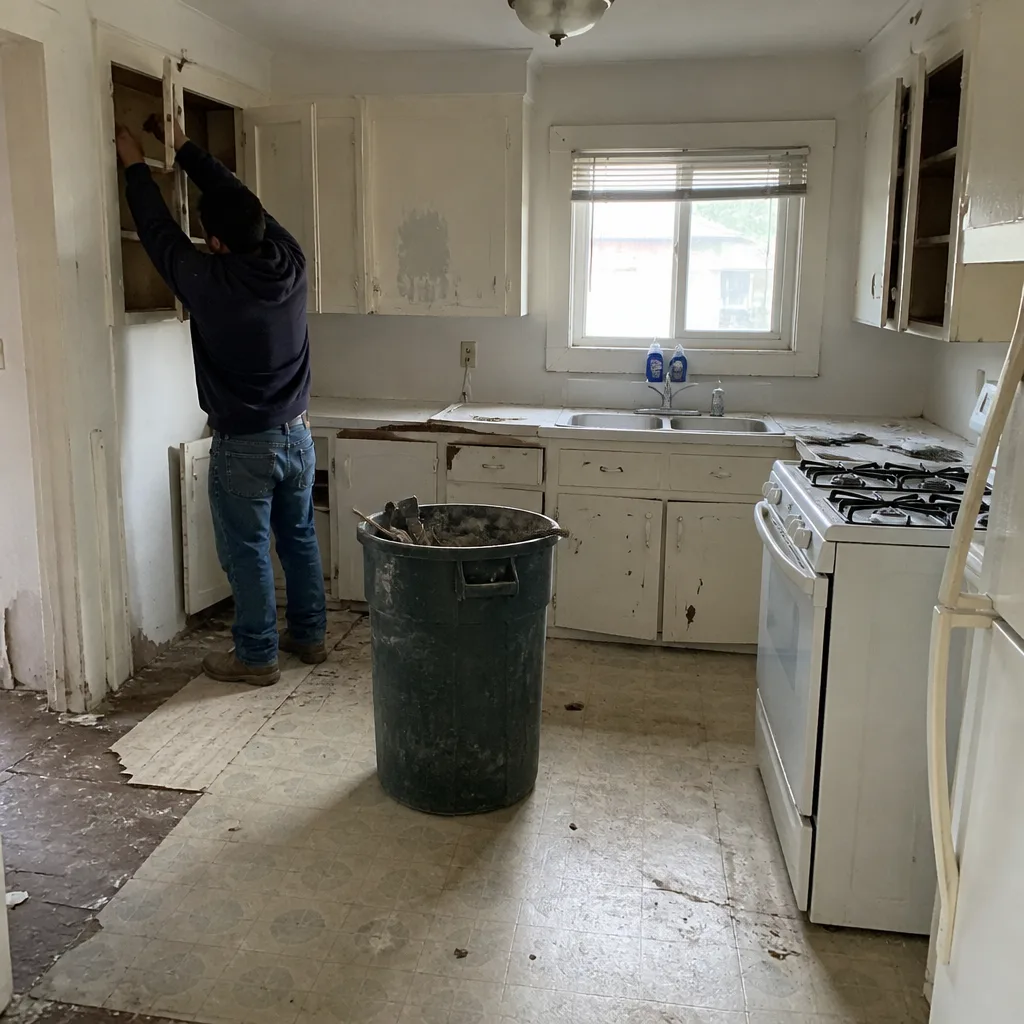 Before
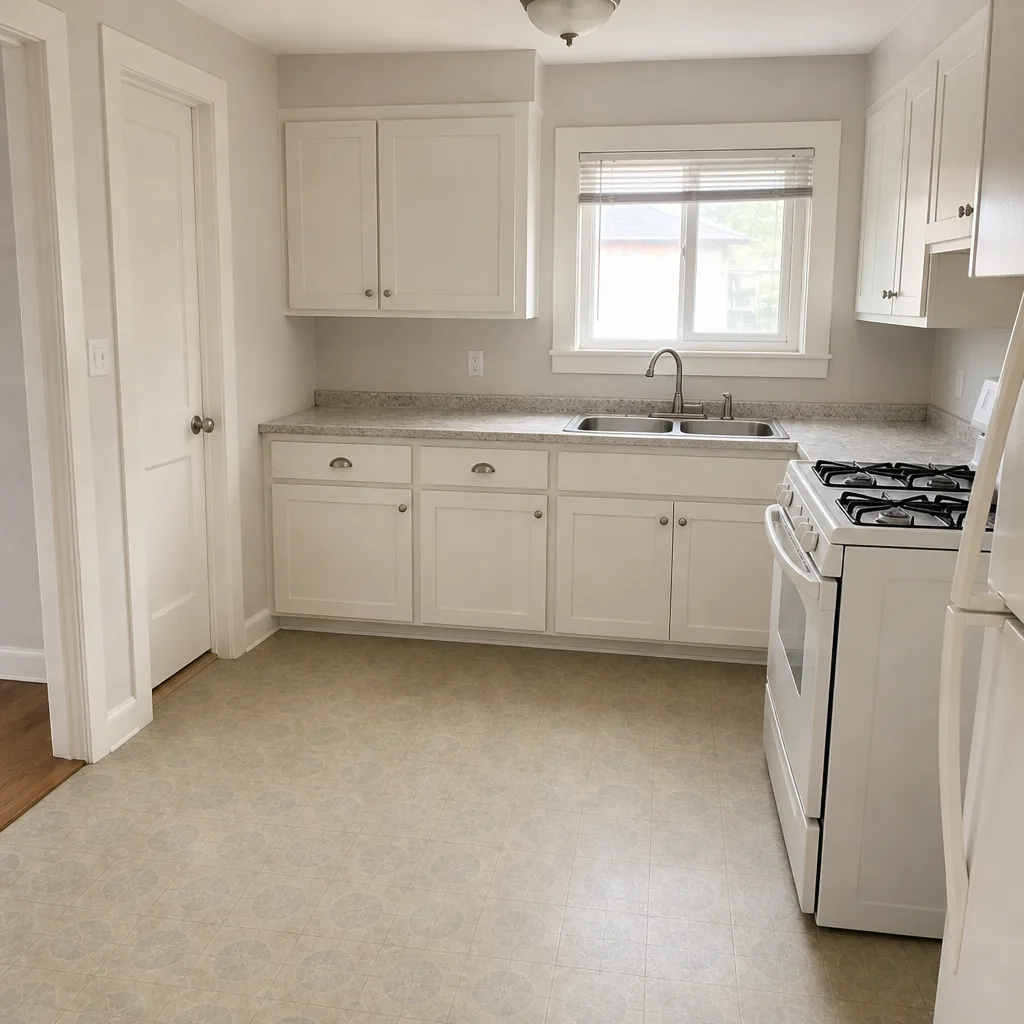 After
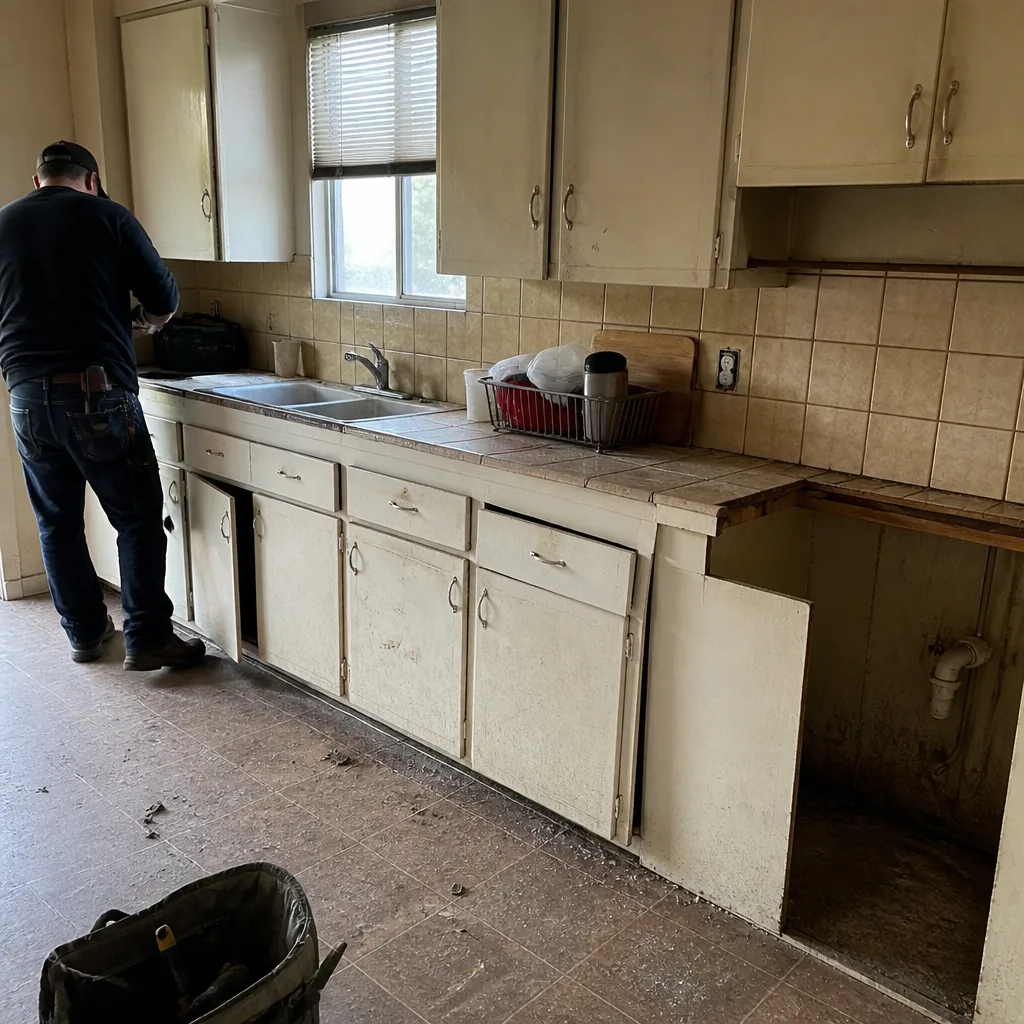 Before
 After
 Before
 After