Last updated November 18, 2026

Free written scope consultation - allowances, timeline, and change-order rules on paper before a single trade is scheduled
Driveway & Pavers Maintenance Checklist for Orange Homeowners
Most homeowners in Orange believe a driveway only needs attention when something visibly cracks or sinks. In reality, paver and concrete failures here start long before they show. Orange averages 278 sunny days a year, and that sunshine is relentless on joint sand and sealers. UV exposure and summer surface temperatures that push past 100°F break down paver joints roughly twice as fast as they do in coastal Huntington Beach. By the time weeds sprout between pavers, the problem has usually been developing for two seasons. This guide gives you a month-by-month checklist built specifically for Orange’s climate, soil, and water history, so you can catch small issues before they become expensive repairs.
Quick Answer
Driveway and paver maintenance in Orange revolves around three forces: intense summer UV and heat cycling, a short winter rainy window, and the expansive clay soil common under older neighborhoods. A checklist that addresses all three, with joint-sand inspection in spring, polymeric sand reapplication before the rains, and sealer selection matched to our temperature swings, will keep a driveway sound years longer than generic reseal-every-two-years advice. The single most important habit is checking joint sand depth in early spring before the dry season begins.
Styles & brands we work with
- Kitchen remodeling
- Bathroom remodeling
- Home additions & ADU
- Roofing
- Windows & doors
- Driveway & pavers
- Fence
Table of Contents
- Why the Orange Climate Changes the Maintenance Calendar
- Month-by-Month Maintenance Checklist for Orange
- How to Spot Early Joint-Sand Failure Before Weeds and Ants Move In
- The Right Polymeric Sand Protocol for High-UV Inland Climates
- Why Orange Clay Soil Causes Paver Lifting at the Driveway Apron
- Sealer Selection Guide: Penetrating vs. Film-Forming
- Drainage and Runoff During the Rainy Window
- Concrete vs. Pavers: Maintenance Differences
Why the Orange Climate Changes the Maintenance Calendar
Orange sits inland enough that summer heat is more intense than what the coast experiences, and that difference matters for hardscape. Surface temperatures on pavers and concrete can climb well above air temperature during July and August, and the material expands. At night it cools and contracts. That daily cycle, repeated across a long dry season, works joint sand loose and stresses sealer films in ways coastal homeowners never see. The result is that a maintenance schedule copied from a Huntington Beach or Newport Beach guide will leave your Orange driveway under-protected.
Then comes the rainy window, which in Orange is short and concentrated. Most of the annual rainfall arrives between late fall and early spring. The problem is that after months of dry heat, the soil is hard and water can’t infiltrate quickly. Joints that have lost sand become channels for runoff, and water that should sheet off the surface instead gets under the pavers. That’s when base material softens and pavers begin to rock.
Expansive clay soil adds a third layer. Much of Orange’s older housing stock sits on clay that swells when wet and shrinks when dry. That movement is slow but persistent, and it shows up first at the edges of the driveway, particularly where the paver field meets the apron at the street. We’ve seen this pattern repeatedly in established neighborhoods around Old Towne Orange and the streets near Hart Park. Understanding these three forces is the foundation for every recommendation below. Our Construction Orange approach to hardscape starts with reading the specific site, not applying a generic schedule.
Month-by-Month Maintenance Checklist for Orange
This calendar is built around two distinct seasons: the dry season from May through October and the brief rainy window from November through April. Each month’s tasks prepare the surface for what’s coming next.
January through March (rainy window):
- Keep joints clear of debris and leaf litter. Organic material holds moisture against the surface and speeds degradation.
- Inspect for standing water after storms. Any puddle that persists more than a day signals a drainage or grading issue.
- Check the driveway apron and edges for rocking pavers. Waking up from wet-season movement is the first thing that shows.
April (transition month):
- Do a full joint-sand depth check. Test several spots across the surface; sand should sit just below the paver chamfer.
- Clean the surface thoroughly with a stiff broom and, where needed, a low-pressure wash. This is the window before the heat locks in stains.
- Refill any joints below level, and plan polymeric sand reapplication if more than a few areas are low.
May through October (dry season):
- Reapply polymeric sand if spring inspection showed widespread loss.
- Apply or refresh sealer once the surface is clean and fully dry.
- Sweep weekly. Fine dust settles into joints and, combined with UV, drives weed seeds deeper.
- Spot check joints monthly. Heat cycling loosens sand fastest in July and August.
- Watch for ant mounds, which signal void spaces under the pavers.
November through December (before rains):
- Clear any weeds and verify joints are full before the wet season. Full joints shed water; empty ones channel it.
- Inspect the apron and the transition to the street one final time for settling.
- Clear gutters and downspouts so runoff doesn’t dump onto the driveway edge.
Treat this as a working document. A driveway in full sun will need sand attention more often than one shaded part of the day, and a sloped driveway will always drain faster than a flat one. Adjust based on what you observe rather than following the calendar blindly.
How to Spot Early Joint-Sand Failure Before Weeds and Ants Move In
Joint sand failure is the root cause of most paver problems, and it is almost invisible in its early stages. The sand sits between the pavers, locks them in place, and acts as the first line of defense against water and weed seeds. When it breaks down or washes out, the failure cascades. The trick is recognizing the early signs before the visible ones appear.
Here’s the diagnostic sequence:
- Check joint depth in multiple spots. Run a finger or a small tool across the joint. If the sand has receded noticeably below the chamfered edge, it’s losing material.
- Look for the first weeds or moss. A single weed isn’t a crisis. A line of weeds along a joint means the joint has been open for a while.
- Watch for ant activity. Ants build colonies in loose sand and the voids that form when pavers begin to move. Mounds are a signal that the base under the surface is no longer tight.
- Rock test. Step across the surface and note any paver that shifts or clicks. Movement means the bedding layer has loosened.
- Look for “shadows” after rain. Darker, persistently damp patches show where water is sitting in the joint instead of draining.
- Inspect the apron and edges. These are the highest-stress zones and where base movement shows first.
The lesson is that by the time the weed forest appears, the joint has been failing for at least two seasons. Catching it in early spring, before heat cycling accelerates the loss, is what makes the difference.
The Right Polymeric Sand Protocol for High-UV Inland Climates
Polymeric sand is not a one-type-fits-all product, and the difference matters most exactly where Orange homeowners need it. Inland UV and 100°F-plus surface temperatures break down the binder faster than in coastal areas. The result is that a polymer chosen for a coastal climate may crumble in an Orange driveway within a couple of years, while a high-UV-rated formula will hold substantially longer.
The protocol that works for Orange:
- Clean and dry the surface completely. Polymeric sand must go into a clean, bone-dry joint. Any moisture in the joint at installation prevents proper curing.
- Choose a formula rated for high UV and heat exposure. Confirm the product is designed to hold up under sustained sun and temperature cycling, not just basic residential use.
- Fill joints just below the chamfer. Overfilling leaves sand on the surface and creates haze. Underfilling leaves the joint vulnerable.
- Compact the surface. Compaction works the sand into the joint and tightens the pavers.
- Activate the binder according to the product spec. Most polymeric sands require a light water activation, done carefully to avoid washing sand out.
- Cure according to the product’s directions before vehicle traffic. Inland heat speeds curing, but it also dries the surface quickly, so follow the timing specified for the temperature.
- Inspect the joint lines after curing. Any low joints should be topped up once fully set.
The critical takeaway is that the product, not just the technique, has to match the climate. When we install or repair hardscape in Orange, the driveway & pavers work uses products selected for sustained UV rather than coastal conditions.
Why Orange Clay Soil Causes Paver Lifting at the Driveway Apron
Older neighborhoods across Orange sit on expansive clay. That soil swells when it absorbs water and shrinks as it dries, and after decades of seasonal cycling, it has moved enough to cause a predictable pattern of paver movement at the driveway apron. The apron, the section where the driveway meets the public street, is exposed to both traffic load and direct runoff, so it feels every cycle more than the rest of the surface.
What you’ll typically see:
- Pavers at the apron edge that rock or shift when stepped on or driven over.
- A slight lifting or tenting where the apron meets the paver field.
- Widened joints at the transition, often filled with weeds.
- A scalloped or uneven line along the street edge.
- Water pooling or draining toward the apron after rain.
These signals appear long before any actual cracking or dramatic failure. Left unaddressed, the base erosion under the apron accelerates, and the repair spreads. Handling it early usually means re-bedding the affected section and reestablishing a proper base and drainage path. Ignoring it, or simply topping up the joints without addressing the movement, means it comes right back.
If a paver section has lifted, don’t try to force it down or cover it. Call (844) 797-4821 to schedule a free estimate. We answer 24/7 and dispatch from 7am to 7pm, Sunday through Friday.
Sealer Selection Guide: Penetrating vs. Film-Forming
Sealer choice in Orange is not a matter of preference; it’s a matter of matching the product to your paver type and the temperature swings the surface goes through. Two broad categories cover virtually every residential driveway, and getting it wrong means peeling, flaking, or a surface that fails within a season or two.
Penetrating sealers soak into the material and form a barrier within the paver rather than on top of it. They don’t change the surface texture, they don’t peel, and they outperform on surfaces exposed to significant temperature swings because there is no film to crack. They’re a good match for clay and concrete pavers in full sun, and they’re the safer choice for drives where heavy vehicles or snow chains could scratch a film coat.
Film-forming sealers create a visible protective layer on the surface, typically a slight sheen or a wet-look finish. They can enhance color and provide strong stain resistance, but they’re also more vulnerable in a climate with intense UV and large daily temperature swings. A film coat applied too thick, or applied over a damp surface, will fail early, and removing it is labor-intensive.
Matching sealer to paver type is key:
- Clay and concrete pavers in full sun: a penetrating sealer is the more durable, low-risk choice. With a film-former, use a thin application and inspect for moisture before applying.
- Natural-stone-look pavers where color enhancement is important: a film-forming product can be appropriate, but choose one formulated for UV stability rather than standard residential use.
- High-traffic drives: penetrating sealers hold up better under constant vehicle loads.
Whatever you choose, the prep is what determines success. Surface must be fully dry and free of joint sand residue before sealing, and application should not run into the hottest part of the day. Applying sealer to a surface that’s been heating in the sun all afternoon, then hitting an evening cooldown, pushes the film to fail faster than almost anything else.
Drainage and Runoff During the Rainy Window
Orange’s rainfall is concentrated into a short season, and that makes drainage the single most important thing to get right before December. Water that sits on the driveway after a storm, water that sheets toward the garage door, water that channels under the pavers at the edges, all point to a grading or drainage issue that will worsen every year it goes unaddressed.
What to check:
- Slope. Water should move away from the house and toward the street. If you see standing water after a storm, the slope has changed or the surface has settled.
- Apron transition. Water should move smoothly from driveway to street without eroding the joint. Pooling at the apron points to the same clay-soil movement discussed earlier.
- Downspouts. They should discharge well away from the driveway and never directly onto paver edges.
- Joint integrity. Full joints shed water; compromised joints channel it. Checking joints before the season starts is a drainage task as much as a paver task.
- Swales and side edges. Runoff from a neighboring lot or a raised planter can erode the edge of the pavers. Check whether water is coming in from beyond your own property.
Drainage work should be addressed before the first significant rain, not after. If water is already pooling, that’s the point to call. Our team works with homeowners across Orange on full-property scopes, and drainage corrections are often planned alongside a fence installation or other hardscape work to keep water moving away from the structure.
Concrete vs. Pavers: Maintenance Differences
Both concrete and paver driveways are common in Orange, and the maintenance schedule is genuinely different for each. Knowing which you have, and what it actually needs, prevents wasted effort and helps you spot the right warning signs.
Concrete is essentially a single slab. The main threats are cracking from tree roots, settling from clay movement, and surface spalling from age and heat. Maintenance is mostly limited to sealing the surface periodically, keeping joints and control cuts clear, and watching for cracks that widen. Once a crack crosses a slab, patching is a temporary fix; the slab is moving.
Pavers are a system, not a slab. The pavers, the bedding sand, the base, and the joints all work together. Maintenance has to address all four. The upside is that individual pavers can be lifted and re-bedded if the base is sound, which is a big advantage in a clay-soil area. The downside is that joint sand and sealer need regular attention that concrete doesn’t.
In practice, paver maintenance is more frequent but the repair cost is lower when something fails. Concrete needs less routine care but repair can mean replacing a full slab. The checklist in this guide is built for pavers, but the drainage, apron, and sealer principles apply to concrete as well. If you’re considering new hardscape or replacing a failing driveway, we can walk through the options with you; our home additions & ADU clients typically ask about driveway and hardscape scope at the same time as the main project, and we plan those together.
Common Mistakes to Avoid
- Resealing on a fixed two-year schedule without inspection. A paver surface in a shaded area may not need resealing as often as one in full sun. Inspect first, then decide.
- Applying polymeric sand to a damp joint. The binder won’t cure properly and the joint will fail within a season.
- Sealing over failing joints. Sealer is not a fix for sand loss. It locks in the problem and makes it harder to address later.
- Ignoring the apron because it looks fine from a distance. The apron is the highest-stress zone. It needs to be checked on foot, not just seen from the sidewalk.
- Using a coastal-grade sealer in Orange. UV exposure here is more intense. A product designed for coastal conditions won’t last as long inland.
- Assuming weed growth means the pavers are failing. Weeds describe the joint condition, not the paver condition. The pavers often just need proper re-sanding and compaction.
- Skipping the pre-rain inspection. The rainy window is short and concentrated. What you fix before the season starts is what protects the driveway through it.
See the difference
 Before
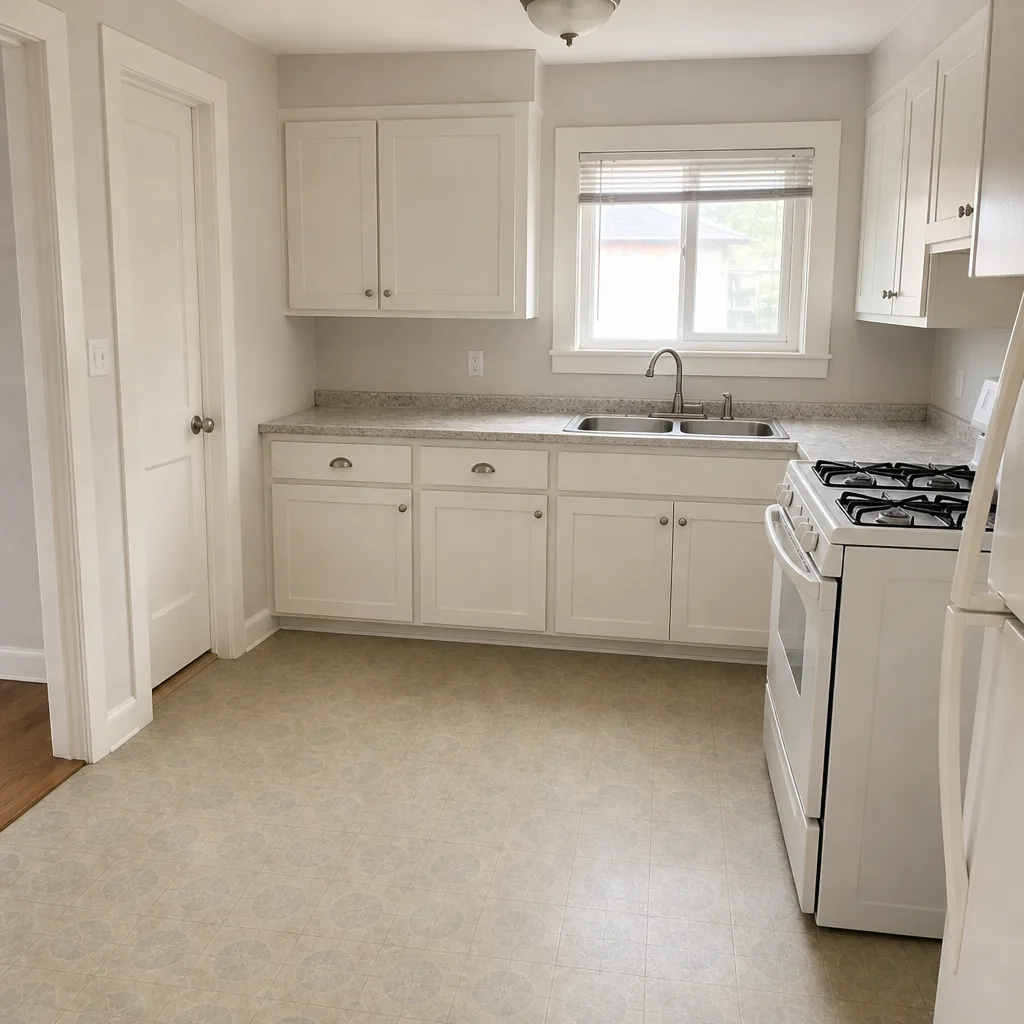 After
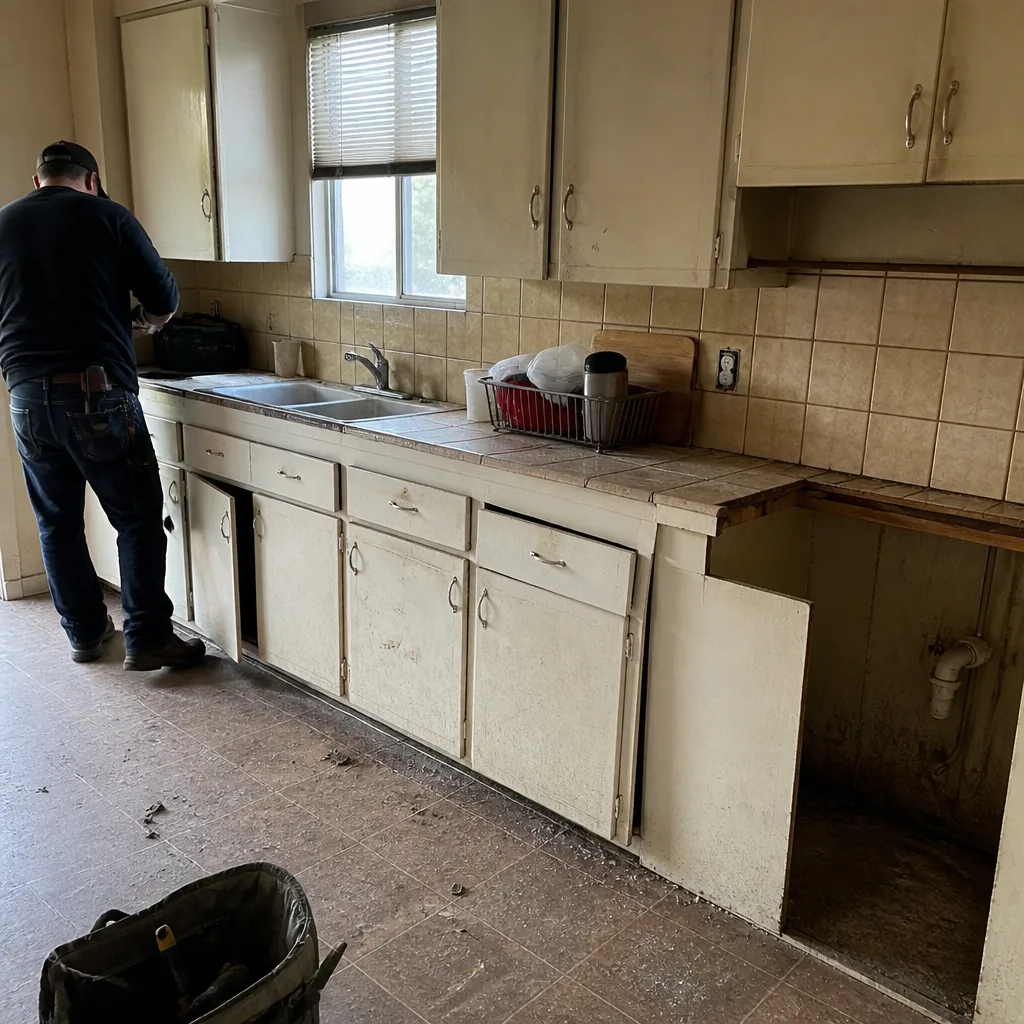 Before
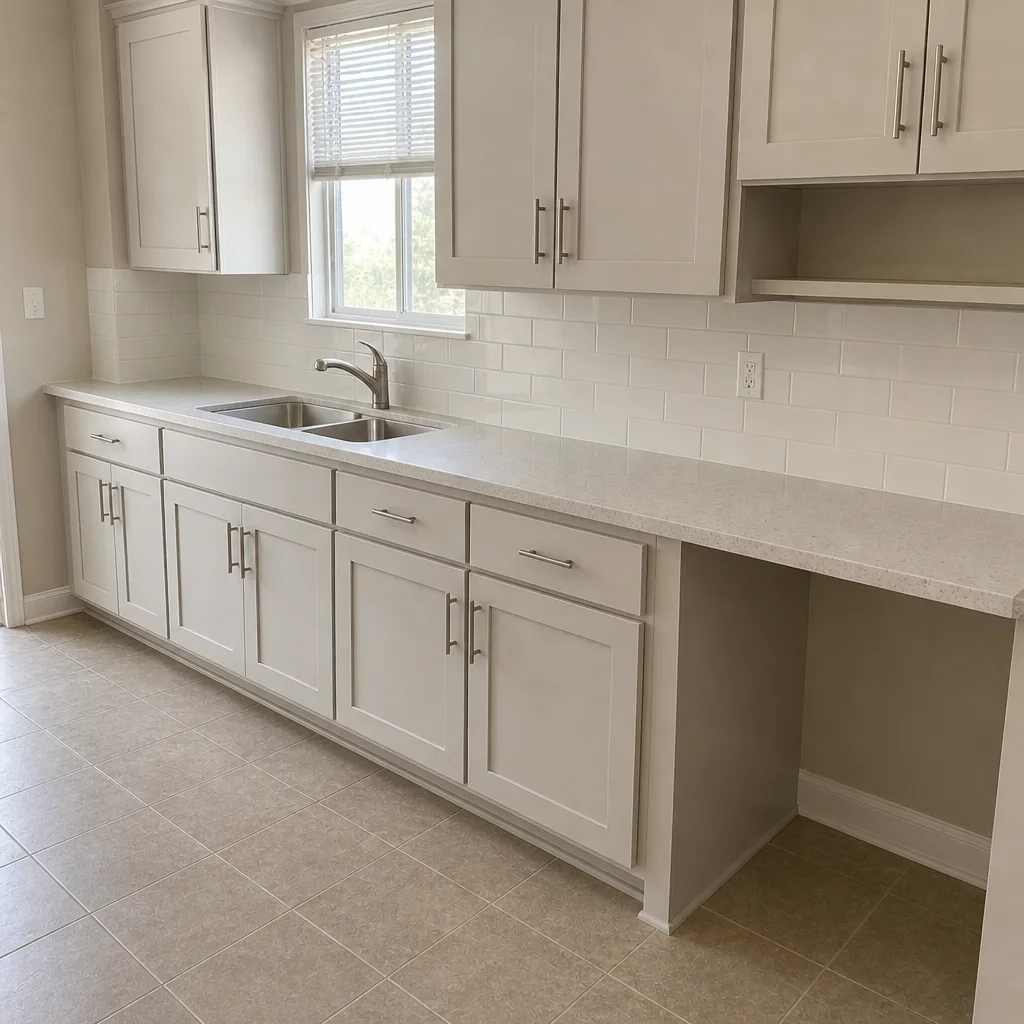 After
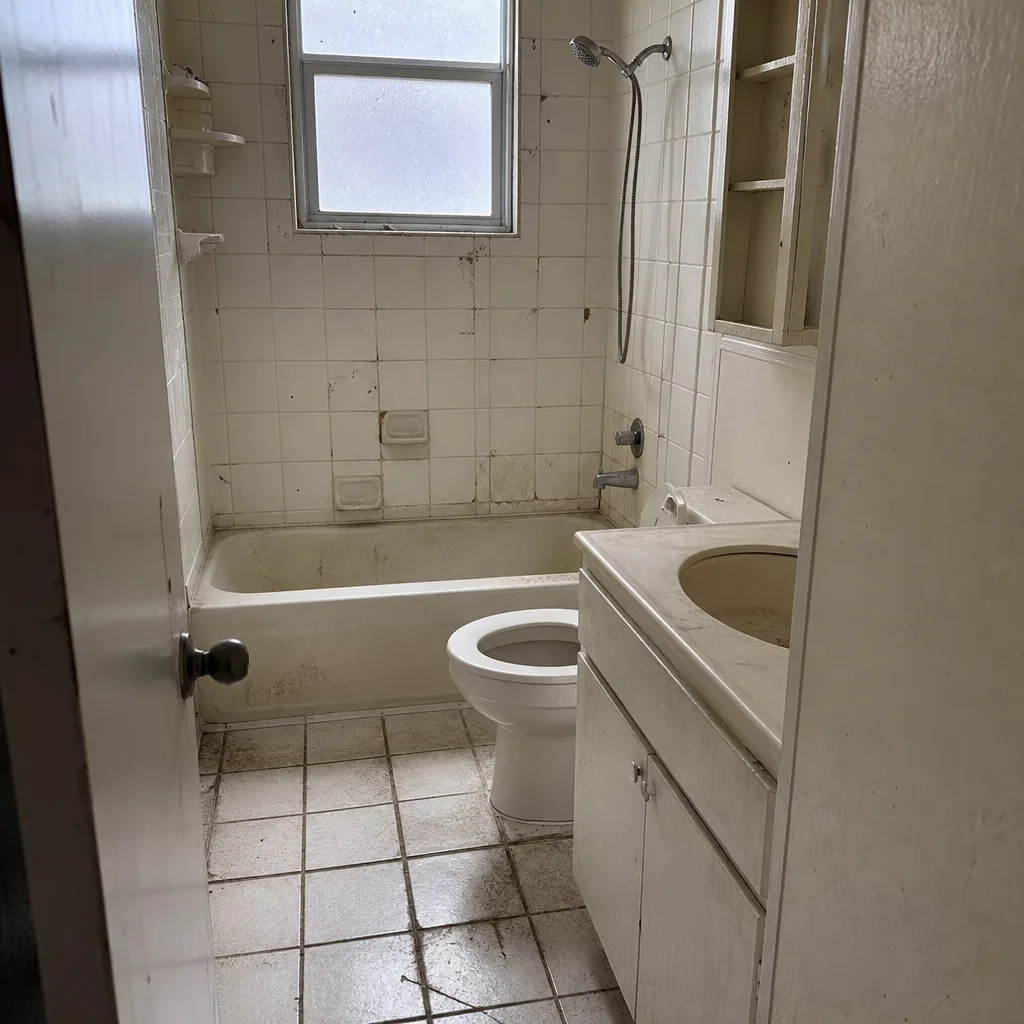 Before
 After
When to Call a Professional
Some maintenance is genuinely do-it-yourself: sweeping, keeping joints clean, checking depths, watching for pooling water. Other situations call for a trained eye and a proper base repair. Call a professional when pavers are rocking or lifting, especially at the apron; when water is pooling after storms; when joints have lost enough sand that weed lines and ant mounds have appeared; when sealer is peeling or flaking; or when the driveway surface has visibly settled since you last looked. In each case, the underlying cause is usually a base, drainage, or joint failure that needs more than surface-level correction. Construction Orange offers free estimates in Orange. Call (844) 797-4821 to schedule a free estimate. Our technicians have up to 12 years of experience reading hardscape failures and planning the repair.
Frequently Asked Questions
It depends on sun exposure, paver type, and sealer quality. A full-sun driveway in Orange may need resealing every two to three years, while a shaded surface can go longer. Rather than following a fixed calendar, inspect the surface for signs of wear: color loss, water absorbing instead of beading, or the start of surface degradation. If you’re unsure, a professional inspection can tell you whether the sealer is still functioning. Call (844) 797-4821 for an exact quote; estimates are free.
Weeds come back because the joint sand has lost depth or the binder has broken down, giving seeds a place to establish. Until the sand is properly replaced with a UV-rated polymeric sand and compacted, weeds will keep returning. Hand-pulling without addressing the joint only clears the symptom. A full re-sand and compaction resolves it. Call (844) 797-4821 for a free estimate on the repair.
No. Inland Orange sees more intense UV and higher summer surface temperatures, which break down some binders faster than in cooler coastal climates. The right product is one rated for high UV exposure. Using a product intended for coastal conditions can shorten the life of the joint significantly. Call (844) 797-4821 to discuss what’s right for your driveway.
Apron lifting is typically caused by movement in the expansive clay soil that underlies many older Orange neighborhoods. The apron bears the most load and the most runoff, so it feels the clay’s seasonal swelling and shrinking more than the rest of the driveway. Early correction usually means re-bedding the section and reestablishing proper drainage. Left alone, the movement spreads. Call (844) 797-4821 to schedule an estimate.
We’re closed Saturday. We answer 24/7 and dispatch Sunday through Friday, 7am to 7pm. If you call outside dispatch hours, we book you into the next opening. Call (844) 797-4821 and we’ll get you scheduled.
For most full-sun paver driveways in Orange, a penetrating sealer is the more durable choice because it doesn’t form a surface film that can crack under heat cycling. Film-forming sealers can work for color enhancement but must be specified for UV stability and applied correctly. Matching the sealer to the paver type and the site conditions matters more than brand. Call (844) 797-4821 to talk through your specific surface.
The Bottom Line
Driveway and paver maintenance in Orange is less about following a generic reseal schedule and more about understanding the three forces at work here: intense UV and heat cycling, a short concentrated rainy window, and expansive clay soil. A checklist built around those three factors, with joint-sand inspection in spring, polymeric sand reapplication before the rainy season, and sealer selection matched to the climate, will keep your driveway sound for years. The single best habit is checking joint depth in April. Everything else follows from catching problems early. If you’re seeing lifting pavers, weed lines, or persistent puddles, the next step is a professional inspection.
Call (844) 797-4821 to schedule a free estimate. We answer 24/7, and dispatch runs from 7am to 7pm, Sunday through Friday.
Written by the team at Construction Orange.