Last updated November 18, 2026





Free written scope consultation - allowances, timeline, and change-order rules on paper before a single trade is scheduled
How to Hire a Construction Contractor in Orange: A Step-by-Step Guide
Most homeowners in Orange think the hiring decision ends when they confirm a contractor holds a state license. It doesn’t. The license is the starting line. What actually protects your home, your wallet and your schedule is whether that license carries the right classifications for the trades your project needs, whether the insurance paperwork genuinely covers every person who’ll walk onto your property, and whether the bid in front of you is written so you can compare it to another one. Nearly everyone skips these checks because nobody tells them what to ask for. This guide walks through the questions, the documents and the contract language that separate a smooth remodel from an expensive lesson. We’ll cover verification, insurance, bid comparison, contract clauses and the red flags that show up specifically in the Orange market.
Quick Answer
To hire a construction contractor in Orange, verify the license and its specific classifications on the California Contractors State License Board (CSLB) website, collect three insurance documents (general liability certificate, workers’ comp declaration page, and auto coverage for on-site vehicles), compare bids line by line rather than by total, and require written change-order approval, lien waivers at payment milestones, and a named subcontractor roster in the contract. A cheap bid that skips these steps usually costs more later, because the gaps land on your homeowner’s policy and your schedule.
Styles & brands we work with
- Kitchen remodeling
- Bathroom remodeling
- Home additions & ADU
- Roofing
- Windows & doors
- Driveway & pavers
- Fence
Table of Contents
- 1. Verify the License and the Classifications That Match Your Scope
- 2. The Three Insurance Documents to Request Before You Sign
- 3. How to Read Bids Apples-to-Apples When They’re $30,000 Apart
- 4. Why the Subcontractor Roster Belongs in the Contract
- 5. Contract Clauses That Protect Orange Homeowners
- 6. Permits, Inspections and the Timeline Nobody Explains
- 7. Red Flags Specific to the Orange Contractor Market
- 8. One Contractor, Every Phase: When Scope Breadth Matters
1. Verify the License and the Classifications That Match Your Scope
A valid CSLB license number is not the same as a license that covers your job. This is the single most common gap we see when homeowners in Orange bring us a bid from another contractor and ask for a second opinion. The number checks out, the status reads “active,” and everyone relaxes. But a B-General Building Contractor license, while broad, doesn’t automatically mean the company is set up to self-perform or properly subcontract every specialty trade your project touches.
Here’s how to actually verify:
- Look up the license number on the CSLB website. Confirm the legal business name matches the name on the bid and the contract. Mismatches are a real problem, not a formality.
- Read the classification code carefully. A B-General license covers general building work. Specialty work like roofing (C-39), plumbing (C-36), electrical (C-10), fencing (C-13) and landscaping (C-27) each carry their own classification. A general contractor can subcontract that work, but the person performing it should hold the matching classification.
- Check the expiration date and the bond status. An expired bond means the consumer protection that comes with it isn’t there.
- Ask directly which classifications the company holds and which trades it will subcontract. A contractor who can answer this clearly has thought about it. One who waves the question away has not.
In Orange, this matters most on projects that cross trades. A kitchen remodel touches electrical, plumbing, drywall, cabinetry and countertops. A home addition touches all of that plus roofing, framing and often fencing and hardscape around the new structure. If you’re planning an addition, ask about home additions & ADU experience specifically, because that work combines more classifications than almost any other residential scope.
What a License Actually Proves (and What It Doesn’t)
A CSLB license proves the contractor passed the trade and business exams, carries a bond, and is subject to CSLB discipline. It does not prove the crew on your job is skilled, that the subcontractors are insured, or that the bid is complete. Those are separate checks, and they’re the ones that decide how your project actually goes. Treat the license as a minimum bar, not a final answer.
2. The Three Insurance Documents to Request Before You Sign
Ask for the insurance documents before you sign anything, and ask for them as PDFs you can read, not as verbal reassurances. Three documents matter, and each one answers a different question.
- Certificate of General Liability (GL) insurance. This covers third-party property damage and bodily injury. Check the policy limits, the effective dates, and whether your address or project type is excluded. A certificate with a low limit or a near-term expiration date is a warning sign.
- Workers’ compensation declaration page. This is the one homeowners skip, and it’s the one that protects you. If a worker is injured on your property and the contractor doesn’t carry workers’ comp for that worker, the claim can come back to your homeowner’s policy. The declaration page shows the coverage and, critically, whether the policy covers the classifications of work being done.
- Commercial auto coverage. Any vehicle parked on your property or driveway during the project should be covered by the contractor’s commercial auto policy, not a personal one.
Call the insurance agent listed on each certificate to confirm the policy is active. Certificates can be forged or outdated, and a two-minute call closes that gap. If the contractor is subcontracting part of the work, ask for the same three documents from each subcontractor, or a certificate naming the general contractor and you as additional insured.
Why the Coverage Gap Lands on You
When a general contractor’s workers’ comp policy doesn’t extend to a subcontractor’s employees, and that subcontractor is uninsured, an injury on your property can trigger a claim against your homeowner’s policy. That’s the gap. It doesn’t show up on the bid. It shows up months later. Requesting the declaration page and confirming the classifications listed match the work is how you close it before anyone picks up a hammer.
3. How to Read Bids Apples-to-Apples When They’re $30,000 Apart
Two bids for the same project that land $30,000 apart usually aren’t the same project. One is scoped fully and one has gaps the homeowner can’t see because the line items aren’t broken out. The fix is to compare line by line, not bottom line to bottom line.
Ask each contractor for a bid broken into these categories, and compare what’s included in each:
- Demolition and disposal. Is dumpster rental and haul-away included, or listed as an allowance?
- Permits and inspection fees. A bid that excludes permit costs is not a lower bid; it’s an incomplete one.
- Soil, grading and site prep. On any project that touches the ground (additions, driveways, pavers, fencing), grading and soil prep line items are where bids diverge most. A bid without them will grow once work starts.
- Materials, itemized by brand and line. “Cabinets” is not a line item. “KraftMaid vs. a builder-grade import” is. Same for countertops (Cambria, Caesarstone, Silestone), plumbing fixtures (Kohler, Toto, Grohe vs. American Standard), and roofing (GAF, Owens Corning, CertainTeed, IKO, Atlas, Tamko).
- Labor broken out by trade. This is where you see whether the contractor is self-performing or subcontracting, and whether the subcontractors are named.
- Contingency. A responsible bid carries a stated contingency for the surprises that show up once walls open. A bid with zero contingency is a bid that will change.
When a bid comes in very low, look for what’s missing rather than assuming efficiency. When a bid comes in very high, look for what’s included that the others excluded: upgraded materials, a named subcontractor roster, permit handling, or a longer workmanship warranty. Our technicians have up to 12 years of experience, and in that time the biggest single driver of bid variance we’ve seen is scope completeness, not labor rates.
A Simple Comparison Table Exercise
Build a spreadsheet with every line item from every bid as rows, and each contractor as a column. Mark each cell “included,” “excluded,” or “allowance.” When you’re done, the $30,000 gap usually resolves into a handful of specific rows: permits, grading, material tier and contingency. That’s the apples-to-apples comparison. It’s also the conversation that lets you ask each contractor to confirm or adjust their bid before you decide.
4. Why the Subcontractor Roster Belongs in the Contract
On most residential projects in Orange, the general contractor you hire won’t perform every trade personally. Framing, electrical, plumbing, roofing and finish work often go to subcontractors. Who those subcontractors are, and whether they’re licensed, bonded and insured, is a coverage question, not a preference. The roster should be named in the contract or attached as an exhibit.
Here’s what a named-roster clause should require:
- The name and CSLB license number of each subcontractor expected to work on your property, by trade.
- Written notice before any substitution. If a subcontractor drops out, you get to know who’s replacing them before work continues.
- Proof of insurance from each named subcontractor, matching the coverage you required of the general contractor.
- Your right to object to a substitution for cause (unlicensed, uninsured, poor track record).
This matters most on projects that span multiple trades and phases. A bathroom remodel might involve three or four subcontractors. A full-property scope that includes driveway & pavers alongside interior work involves more. Every handoff between unknown subcontractors is a place where quality and accountability can slip. A general contractor with a curated, named roster closes that gap.
When the Bid Says “Subcontractors TBD”
A bid that lists subcontractors as “to be determined” isn’t protecting you. You’re signing up to have strangers on your property with no advance verification. Ask for the roster before signing. A contractor with a stable, vetted subcontractor network can produce it. One who can’t is telling you something about how they operate.
5. Contract Clauses That Protect Orange Homeowners
The contract is where the protections you verified upstream either hold or fall apart. Most residential contracts are written by the contractor, which means the clauses that favor the homeowner have to be added deliberately. Here are the ones worth insisting on.
- Change-order written approval. No work outside the original scope proceeds without a signed change order with a dollar amount attached. This clause prevents verbal “we found a problem” moments from turning into surprise invoices. It protects both sides: you know the cost before work continues, and the contractor has your written approval to bill for it.
- Lien waiver milestones. California allows contractors, subcontractors and material suppliers to record a mechanics lien against your property if they aren’t paid. A lien waiver clause requires each party to sign a conditional waiver at each payment milestone, confirming they’ve been paid through that date. Collect these at every milestone, not just at the end.
- Material substitution language. The contract should list the specific brands and models specified, and require written approval before any substitution to a different tier. This clause protects you when a supplier is out of stock and a cheaper equivalent gets installed without asking.
- Completion standard and punch list. Define what “substantially complete” means and require a written punch list signed off by both sides before final payment.
- Workmanship warranty. Get the warranty term in writing, along with what it covers (labor, materials, both) and how to make a claim.
California law also requires specific notices in home improvement contracts, including a three-day right to cancel in many situations and a mechanics lien warning. If a contract omits those notices, that alone is a reason to slow down and ask questions.
Payment Schedule: Never Front-Load
A payment schedule that demands more than a modest deposit before work begins is a risk, not a convenience. Tie payments to completed milestones, keep a meaningful final payment held until punch list completion, and never pay cash without a receipt. The payment schedule and the lien waiver milestones should line up so each payment produces a signed waiver.
6. Permits, Inspections and the Timeline Nobody Explains
Permits are the contractor’s responsibility to pull and the city’s responsibility to inspect. Homeowners in Orange often get a vague timeline from a bid without understanding where the time actually goes. Here’s the honest version of how it works on a typical project.
- Plan submission and review. The contractor submits plans to the city’s building department. Review time varies by project complexity and current backlog; ask the contractor for their recent experience with comparable scopes.
- Permit issuance. Once approved, the permit is issued and work can begin legally.
- Inspections at defined stages. Depending on the scope, inspections happen at foundation, framing, rough-in (electrical, plumbing, mechanical) and final. Each inspection has to pass before the next stage is covered up.
- Final inspection and closeout. The final inspection confirms the work matches the permitted plans. The permit is then closed.
California’s mild climate helps here. Foundation work, exterior grading and roofing can proceed through much of the year without the winter disruptions that slow construction in colder states, which generally helps keep Orange projects on schedule. But “mild” doesn’t mean “no weather risk” – the county’s rainy season still affects grading, paving and exterior painting, and the contractor should be scheduling those phases with the season in mind.
What “We’ll Handle the Permits” Should Actually Mean
It should mean the contractor pulls the permit in their name or yours, handles the plan submission, schedules the inspections and attends them, and provides you with the closed permit at the end. Ask for that scope in writing. A bid that says “permits handled” without those specifics leaves room for the homeowner to end up managing the process, which is not what you hired for.
7. Red Flags Specific to the Orange Contractor Market
Some red flags are universal. Others show up specifically in a competitive market where a lot of contractors compete for the same projects. Here are the ones we’d watch for.
- An unusually fast permit promise. Plan review takes time. A contractor who promises a permit “in a week” for a project that requires full plan review is either misrepresenting the process or planning to start work without one. Either is a problem.
- Bids that exclude soil, grading or inspection fees. On any ground-touching project, a bid that skips these line items is a bid that will grow. It’s a way to look lower than the next bid without being complete.
- No named subcontractor roster. If the contract can’t name who’s coming to your property, you can’t verify their insurance or their license. That’s the gap described earlier.
- Pressure to sign the same day. Legitimate contractors don’t need a today-only decision. Any urgency tactic that cuts off your ability to read the contract and check the documents is a red flag.
- Cash-only requests, or large upfront payments without receipts. Both are ways to avoid the paper trail that protects you in a dispute.
- No physical business address or verifiable CSLB license number on the bid. Both should be printed on the document.
- Reluctance to provide insurance documents. A contractor who won’t produce the three documents described earlier is telling you the answer.
None of these flags is a guarantee of a bad outcome by itself. But two or more of them together is a signal to walk away and get another bid.
8. One Contractor, Every Phase: When Scope Breadth Matters
There’s a version of this decision that only looks at the specific project in front of you, and a version that looks at the whole property. The second version is worth considering at the hiring stage, because the contractor who handles your kitchen remodel today may also be the one handling your roof, your windows, your fence and your driveway over the next decade. Knowing that upfront changes who you hire.
Construction Orange is built around that whole-property view. We handle seven core residential services: driveway & pavers, fence installation, home additions & ADU, bathroom remodeling, windows & doors, roofing, and kitchen remodeling. That scope means we’re not handing you off to a subcontractor network for half the project. It also means when a roofing problem shows up during a kitchen remodel, or a driveway needs replacing while an addition is going in, the same contractor can scope it.
Brand range is part of that. We work with a documented roster of 50+ manufacturer brands across roofing, windows, doors, cabinetry, countertops, plumbing fixtures, fencing, paving and prefab ADU solutions. On a kitchen, that means real choices between premium lines like KraftMaid, Wellborn, Cambria, Caesarstone and Toto, and proven value options like American Standard. On a roof, it means recommendations driven by the project’s fit rather than by what’s in stock: GAF, Owens Corning, CertainTeed, IKO, Atlas, Tamko and Boral all sit in the mix. On fencing, it means six dedicated fence-brand relationships (Master Halco, Ameristar, Jerith, Bufftech, Barrette, ActiveYards) and hardscape depth across seven paver and concrete brands (Belgard, Unilock, Tremron, Techo-Bloc, Cambridge Pavers, Oldcastle, Sakrete).
For homeowners considering an accessory dwelling unit, the prefab route has become genuinely practical. We work alongside modern off-site builders including Abodu, Cover, Dvele, Mighty Buildings, Boxabl and Plant Prefab, which lets a homeowner compare a site-built addition to a prefab unit on cost, timeline and code compliance before committing. If a fence is part of the property scope, fence installation runs through the same contractor handling the rest.
Why This Belongs in a Hiring Guide
Because when you’re comparing bids, the contractor with breadth can often scope the whole job in one contract, which reduces the number of handoffs and the number of insurance documents you have to verify. That’s not a reason to hire anyone unverified. It’s a reason to include breadth as one of the criteria in your comparison.
Common Mistakes to Avoid
- Treating the CSLB license number as the whole check. Confirm the classifications match the work, the business name matches the contract, and the bond is current. A valid number on an unverified entity isn’t a check.
- Skipping the workers’ comp declaration page. It’s the document that protects your homeowner’s policy from injury claims. A certificate of general liability alone doesn’t cover it.
- Comparing bids by bottom line. Two bids $30,000 apart are usually two different scopes. Build the line-by-line comparison before reacting to the total.
- Accepting “subcontractors TBD.” The roster belongs in the contract. If it isn’t there, you can’t verify the people working on your property.
- Not requesting lien waivers at each payment milestone. A mechanics lien filed by an unpaid subcontractor can attach to your property. Collect the waivers as payments go out.
- Letting material substitutions happen without written approval. Name the brands and models in the contract, and require written approval before a swap to a different tier.
- Paying a large upfront deposit without a written schedule. Tie payments to completed milestones and keep a meaningful final payment held until the punch list is signed off.
See the difference
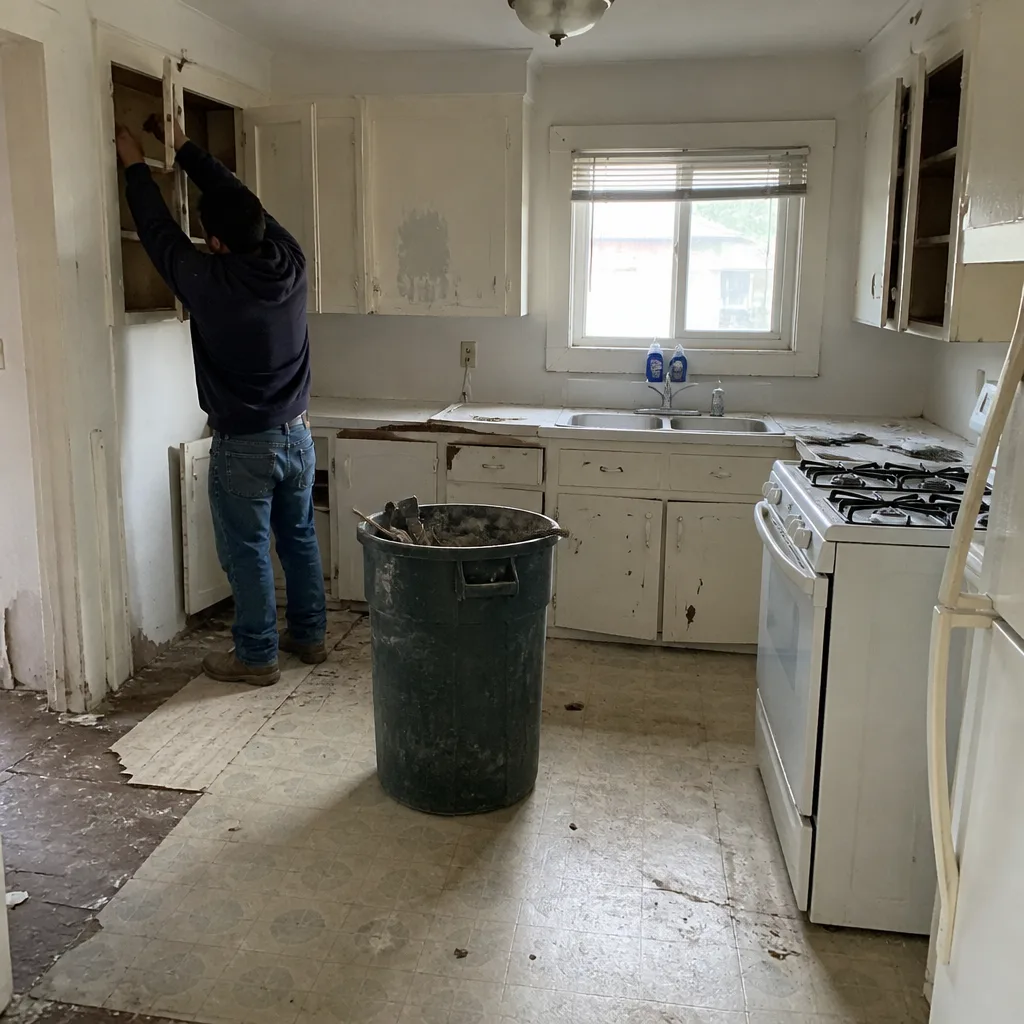 Before
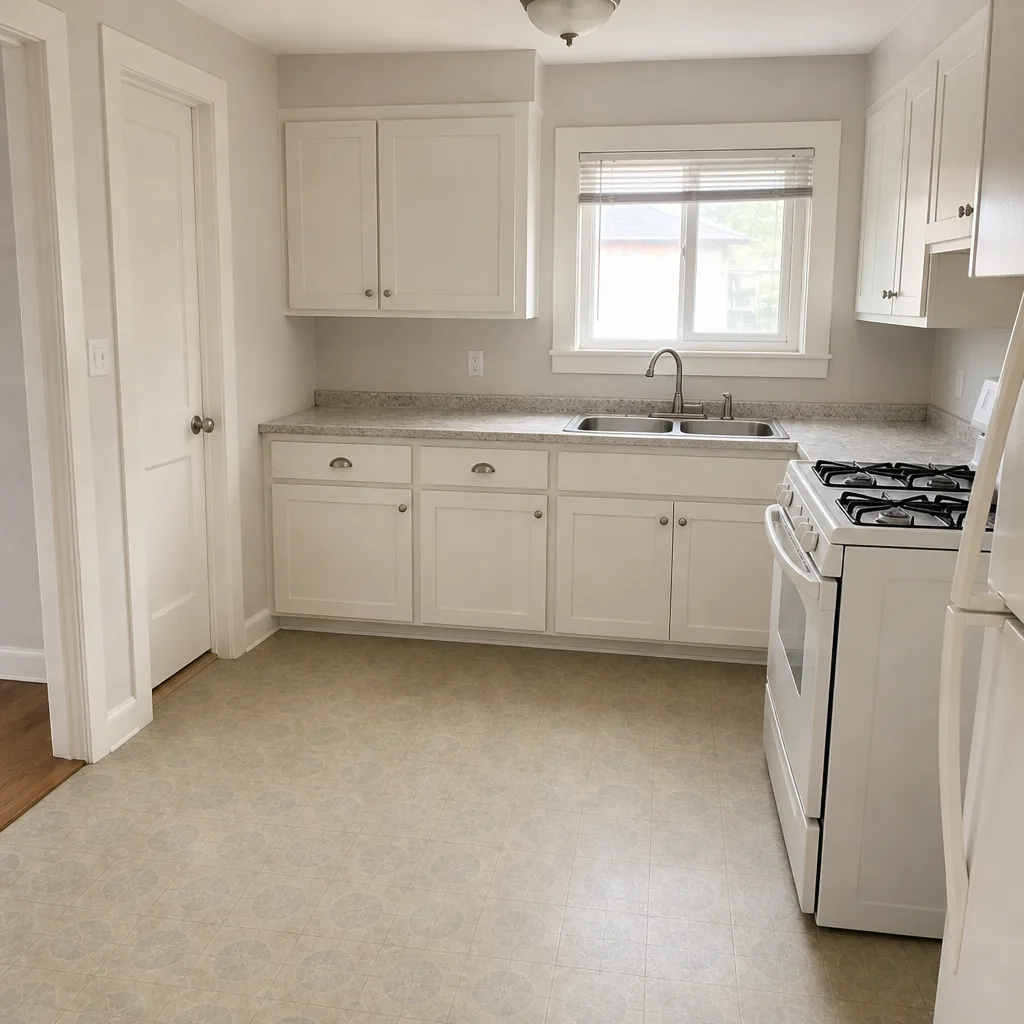 After
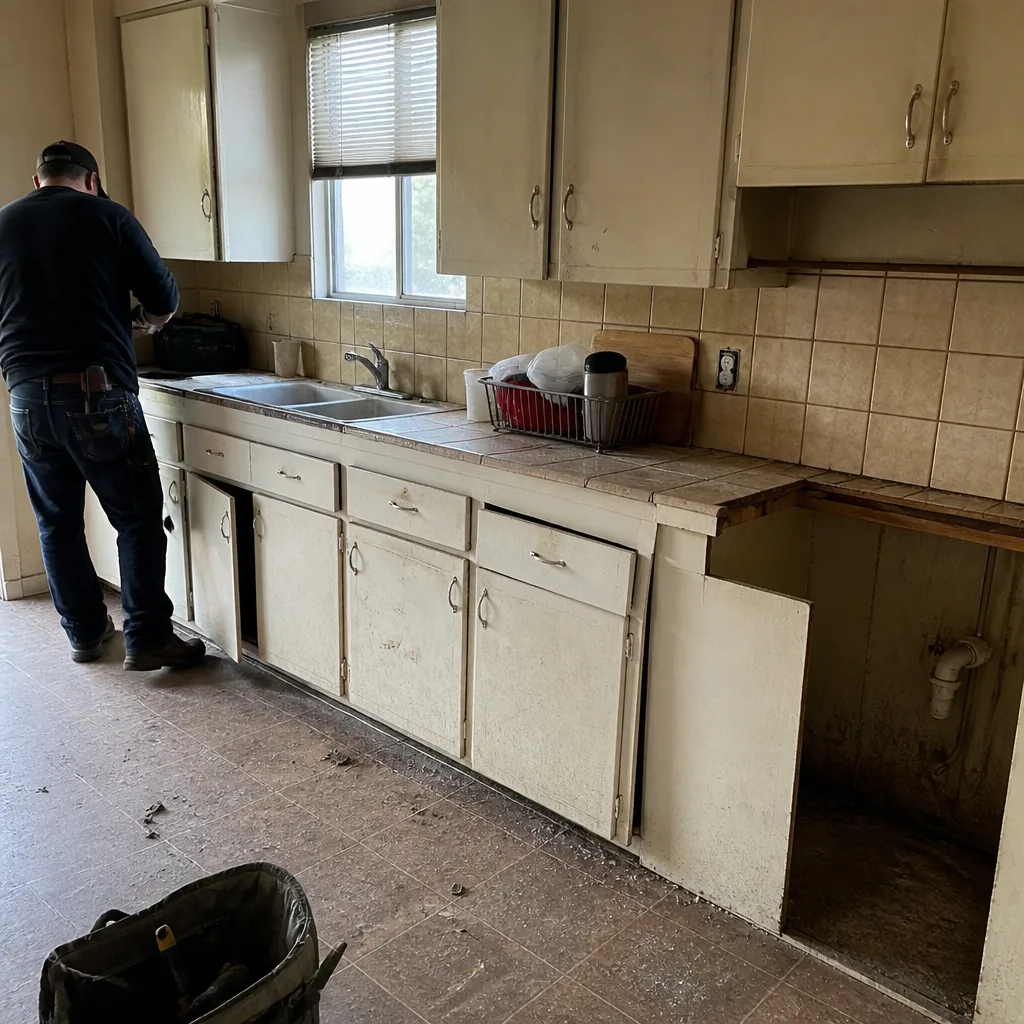 Before
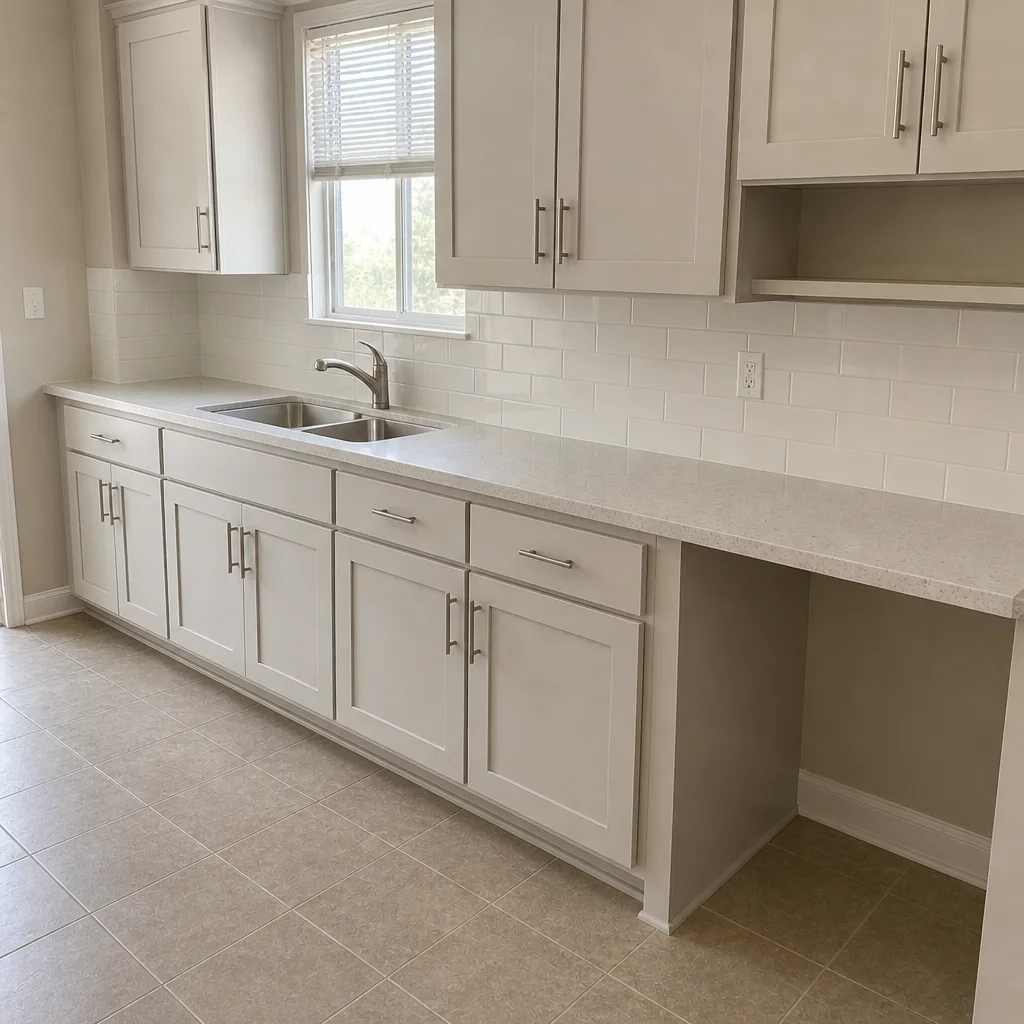 After
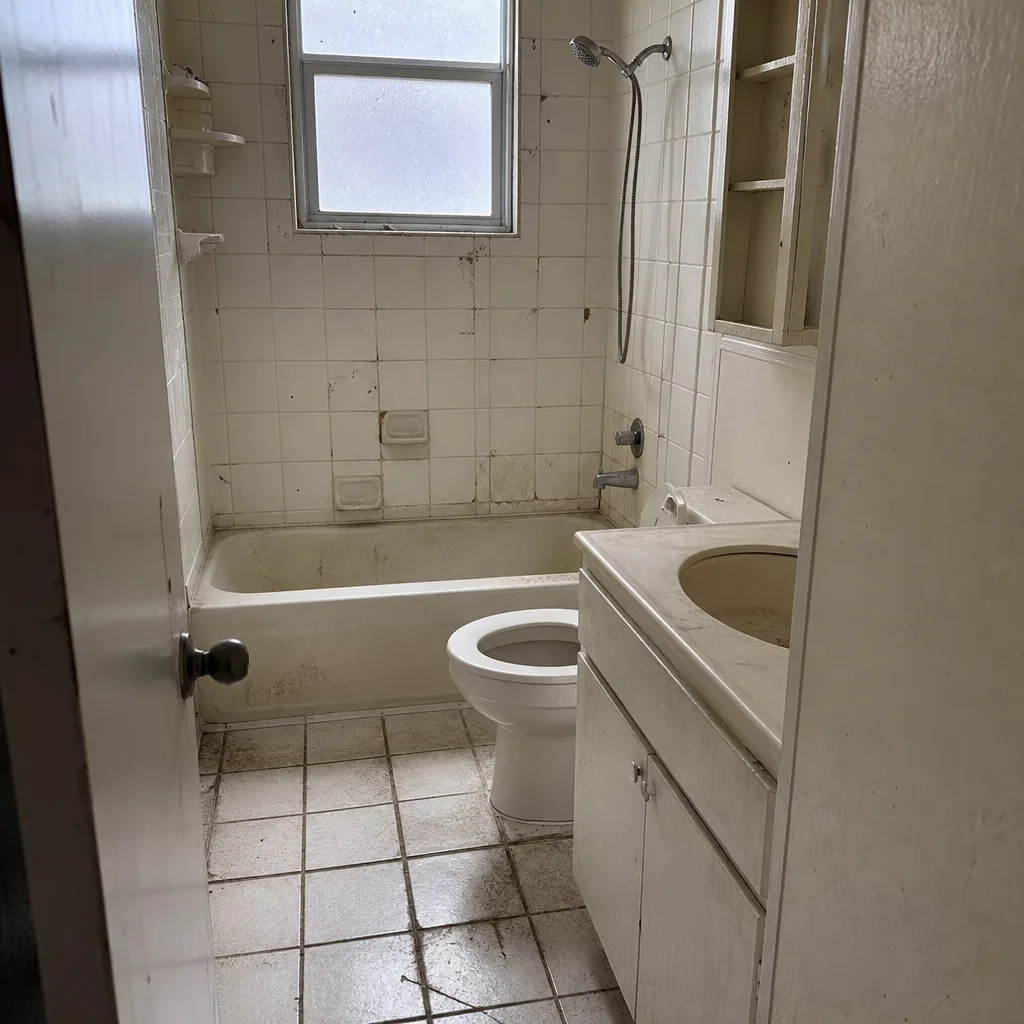 Before
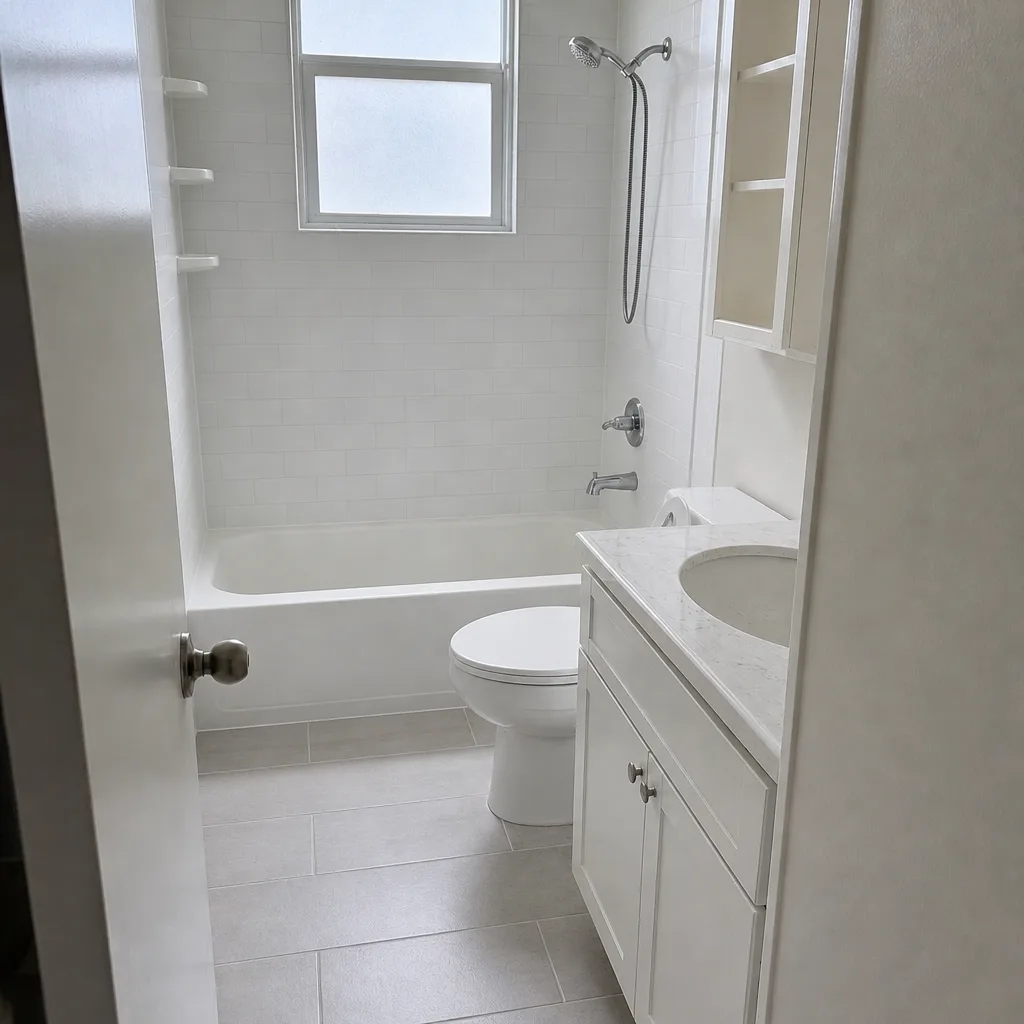 After
When to Call a Professional
Some projects are clearly professional territory: anything requiring a permit, anything that opens walls or touches structural framing, anything involving electrical or gas, and any addition or ADU. Roofing, window and door replacement, and fencing on property lines with shared boundaries are also best handled by a licensed contractor, since a failed installation is expensive to redo and the liability sits with the homeowner. If you’re already comparing bids and something in one of them doesn’t add up, a professional second opinion is worth the call before you sign. Construction Orange offers free estimates in Orange – call (844) 797-4821. We answer 24/7. Fast dispatch from 7am to 7pm, Sunday through Friday. Our technicians have up to 12 years of experience, and every estimate is written line-item, with no change orders without your written approval.
Frequently Asked Questions
Look up the license number on the California Contractors State License Board (CSLB) website, confirm the legal business name matches the name on the bid and contract, and read the classification codes to confirm they cover the specific work being bid. A B-General license covers general building, but specialty trades like roofing, plumbing and electrical carry their own classifications. Call (844) 797-4821 for a free estimate if you’d like a second read on a bid you’ve already received.
Request three: the certificate of general liability insurance, the workers’ comp declaration page, and commercial auto coverage for on-site vehicles. The workers’ comp declaration page is the one homeowners most often skip, and it’s the one that protects your homeowner’s policy if an uninsured worker is injured on your property. Confirm each policy is active by calling the agent listed on the certificate, and request the same documents from named subcontractors.
The gap is usually scope, not labor rate. A bid that excludes permits, grading, soil prep, contingency or material specifications is incomplete, not cheaper. Build a line-by-line comparison marking each item as included, excluded or allowance, and the difference usually resolves into a handful of specific rows. Then ask each contractor to confirm or adjust before you decide. Call (844) 797-4821 for a written line-item quote you can compare under the same criteria.
Yes. California law requires specific written terms in home improvement contracts, including a mechanics lien warning and, in many situations, a three-day right to cancel. Beyond the legal minimum, insist on written change-order approval, lien waiver milestones, material substitution language, a defined completion standard and a workmanship warranty. Free estimates from Construction Orange include a written line-item scope, so you know exactly what you’re signing.
Permit timelines vary by project complexity and current building department backlog, so there’s no single answer. Ask the contractor for their recent experience with comparable scopes rather than accepting a general estimate. A contractor who promises an unusually fast permit on a project that requires full plan review is a red flag. Plan submission, review, permit issuance and staged inspections all take time, and the written estimate should reflect that reality.
Yes, and it often reduces the number of handoffs and insurance documents you have to verify. Construction Orange handles seven core residential services including driveway & pavers, fence installation, home additions & ADU, bathroom remodeling, windows & doors, roofing and kitchen remodeling, with access to 50+ manufacturer brands across every trade category. That breadth lets one contractor scope the whole property from the curb to the ridge. Call (844) 797-4821 for a free estimate.
The Bottom Line
Hiring a contractor in Orange is a verification exercise before it’s a price decision. Check the license and its classifications, collect all three insurance documents, compare bids line by line instead of by total, require a named subcontractor roster, and put change-order written approval, lien waivers and material substitution language into the contract. Those steps are what close the liability gaps and prevent the surprises that show up after work starts. Breadth of scope across the whole property is worth including as a comparison criterion, because fewer handoffs means fewer places for accountability to slip. Construction Orange offers free estimates in Orange – call (844) 797-4821 to schedule yours. We answer 24/7. Fast dispatch from 7am to 7pm, Sunday through Friday.
Written by the team at Construction Orange.